
Botox for excessive sweating blocks the nerve signals that activate sweat glands, producing meaningful dryness in the underarms, palms, and other commonly affected areas. For patients in Ontario, humid summer months make hyperhidrosis harder to manage and its impact on daily life more visible. This guide is for adults who have tried antiperspirants without success and want to understand whether Botox is appropriate for their situation.
Key Takeaways
- Botox works by blocking chemical signals from overactive nerves to sweat glands — it does not physically block pores
- The medical application for hyperhidrosis targets the nervous system, distinct from how Botox works for facial wrinkles
- Underarms, palms, soles, scalp, and forehead are all treatable areas; only underarm sweating carries an FDA-approved indication
- Improvement in sweating can start within three days, with full effects at seven to fourteen days
- Most patients experience dryness for seven to nine months; some see results lasting up to a year
- Candidates require a screening consultation to rule out secondary causes of excess sweating
How Botox Injections Work on Sweat Glands
Standard cosmetic Botox works by temporarily paralyzing muscles to smooth facial wrinkles. Medical Botox for hyperhidrosis works differently. When body temperature rises, the nervous system activates sweat glands via chemical signals — specifically the neurotransmitter acetylcholine. In people with primary hyperhidrosis, the nervous system activates those signals excessively, even when the body has no need to cool down.
Botox blocks that communication. OnabotulinumtoxinA injections are placed into the skin at the level of the eccrine glands, where they intercept the nerve signal before it reaches the gland. The gland is essentially paralyzed — not physically sealed, but cut off from the instruction to produce sweat. The body automatically cools through other mechanisms; treating one area does not impair temperature regulation overall.
Treatment Areas Beyond the Underarms
Axillary hyperhidrosis — underarm sweating — is the most common treated area and the only indication with FDA-approved status. In humid Ontario summers, demand also rises for palmar hyperhidrosis, where sweating makes handshakes, keyboards, and touchscreens difficult to manage.
Off-label applications include the soles, scalp, forehead, and upper lip. Botox can reduce underarm sweating by up to 87 percent, palmar sweating by 80 to 90 percent, and forehead sweating by approximately 75 percent.
A Real Patient Case: Axillary Hyperhidrosis Through an Ontario Summer
A patient came in ahead of summer with severe axillary hyperhidrosis affecting his professional life. He was changing shirts multiple times a day, wearing dark suits to conceal sweat patches, and experiencing anxiety before presentations — which triggered more sweating. He had tried prescription antiperspirants, which caused skin irritation without controlling the sweat. His Hyperhidrosis Disease Severity Scale (HDSS) score was a 3 to 4, indicating sweating that was barely tolerable and constantly interfering with daily activities.
The Treatment
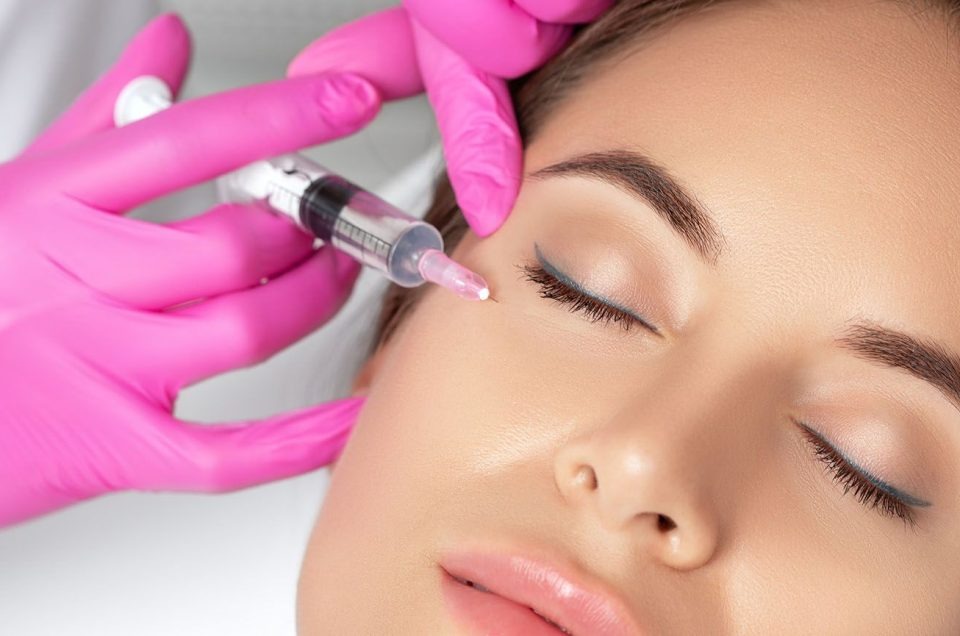
After confirming primary hyperhidrosis, the underarm area was mapped in a grid pattern with injection points spaced 1 to 1.5 cm apart. A dose of 50 units per underarm was administered using a fine 30-gauge needle, with micro-doses injected intradermally where the sweat glands sit. The full procedure took under 15 minutes. The patient rated discomfort at a 2 out of 10, with no anaesthesia required.
The Outcome
By day three, he noticed a significant drop in moisture. By week two, his HDSS score had dropped from a 4 to a 1. He moved through July, August, and September completely dry, without backup shirts or anxiety before presentations. The treatment held for over seven months, carrying him into winter before the nerve-to-gland signalling gradually returned to baseline.
Who Is a Good Candidate for Botox Treatment
Botox for hyperhidrosis is appropriate for patients with primary hyperhidrosis — sweating that is localized and not caused by an underlying medical condition. Before treatment, a clinical screening reviews medical history to rule out secondary causes such as thyroid disorders, diabetes, or medications that promote sweating.
Poor candidates include those who are pregnant, have a known sensitivity to botulinum toxin, or have an active infection at the injection site. Patients whose sweating may have a secondary cause require medical clearance before proceeding.
How Long Do Botox Results Last
Effects of Botox last between six and twelve months for hyperhidrosis, with most patients experiencing meaningful dryness for seven to nine months; some retain results for up to a year.
Longevity varies by treatment area and individual patient. Underarm results tend to last the longest. Palmar treatments may require repeat injections more frequently, as the hands are mechanically active. Ontario’s humid summers do not shorten how long Botox lasts — results are determined by how quickly nerve endings regenerate, not by external conditions.
Frequently Asked Questions
How do botox injections work for excessive sweating?
Botox injections work by blocking the chemical signals the nervous system sends to activate sweat glands. OnabotulinumtoxinA is injected into the skin at the level of the eccrine glands, cutting off the acetylcholine signal that triggers sweat production. The glands stop receiving activation signals and sweat production stops.
What are the possible side effects of botox treatment?
Common side effects include mild discomfort and localized swelling at the injection site, which typically resolve within a few days. Bruising can occur. For palmar treatments, temporary muscle weakness is possible. Headaches and hot flushes are less common. Compensatory sweating — sweating in areas other than the treated area — is possible in some patients.
How long does botox treatment last for hyperhidrosis?
Most patients experience dryness for six to nine months; some retain results for up to a year. Improvement begins within three days, with full effects at seven to fourteen days. Botox for hyperhidrosis generally outlasts cosmetic Botox for facial wrinkles, where muscle movement returns faster.
Does botox work for palms and other areas besides underarms?
Yes. While the FDA-approved indication covers underarm sweating only, Botox is also used off-label for palms, soles, forehead, scalp, and upper lip. Botox reduces palmar sweating by 80 to 90 percent and forehead sweating by approximately 75 percent. A review of medical history with a provider is required before proceeding.
How many onabotulinumtoxinA injections are needed per session?
Each underarm treatment typically requires 15 to 25 injections in a grid pattern across the hair-bearing skin. A standard dose is 50 units per underarm. Botox injections take 10 to 30 minutes to complete. Most patients rate discomfort between 1 and 3 out of 10.
What does botox for excessive sweating cost in Ontario?
Botox for hyperhidrosis is not covered by OHIP, though some private insurance plans may cover it when prescribed for primary hyperhidrosis. Pricing varies by clinic and the number of units required. 0% financing is available through Affirm.
Book a Botox Consultation at Beauty Aesthetics Vaughan
Beauty Aesthetics in Vaughan offers Botox for hyperhidrosis with Mubeyra Sarkar, RN. A full consultation reviews your medical history, sweating severity, and candidacy before any procedure is confirmed. 0% financing is available through Affirm.
Phone: 647-260-9607 · Book online: https://beautyaesthetics.ca
Serving Vaughan, Toronto, North York, Scarborough, Richmond Hill, Markham, Mississauga, and Brampton.