Written by Mubeyra Sarkar, RN | Beauty Aesthetics, Vaughan · beautyaesthetics.ca
Your skin feels congested. Your pores look enlarged, your skin tone is uneven, and your regular cleanser is not making a dent. You have heard about the HydraFacial from a friend or seen it trending online, but you are not sure whether it is a genuine clinical treatment or an expensive spa facial with a better marketing budget.
Demand for the HydraFacial Vaughan treatment has grown steadily — and so has the number of clinics offering it. Here is what it actually does, what happens during the appointment, and whether it is worth your time.
What Is a HydraFacial?
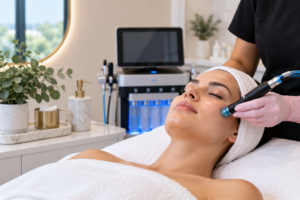
A HydraFacial is a nonablative facial rejuvenation treatment that combines cleansing, gentle exfoliation, extraction, hydration, and antioxidant protection simultaneously — all in a single 30-to-45-minute session.
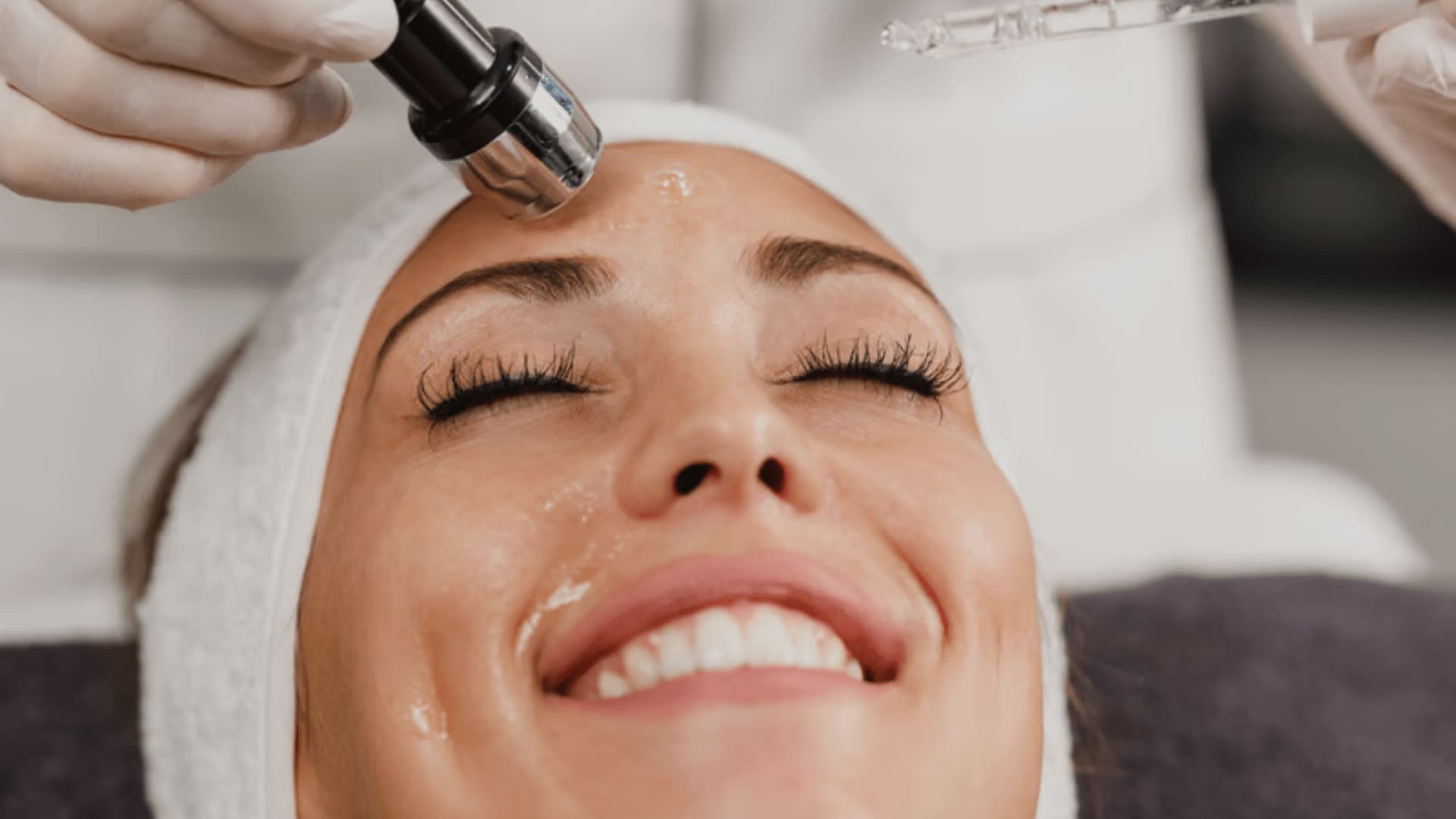
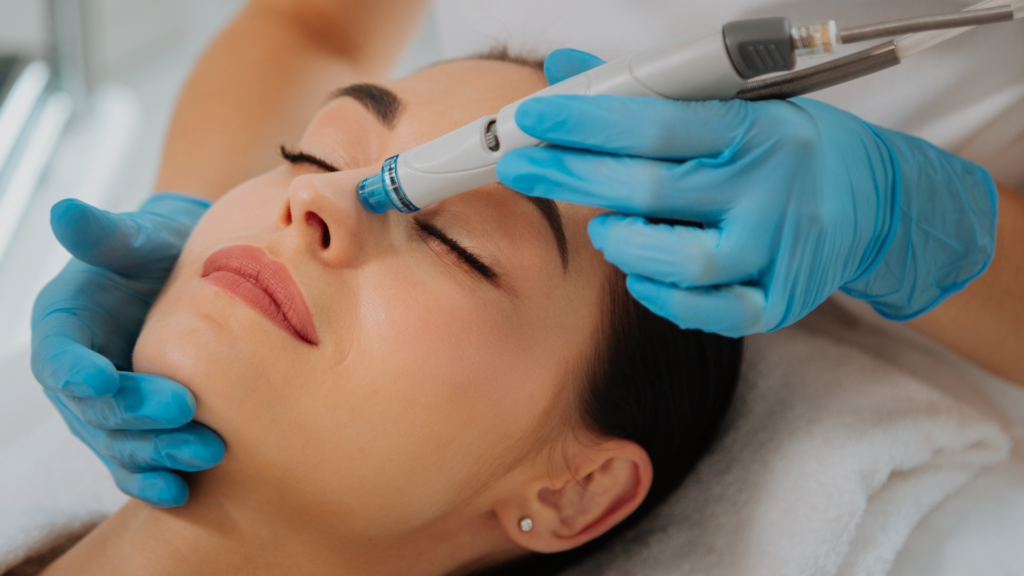
Hydrafacial uses a patented vortex-suction device (wand) to extract impurities and infuse active ingredients at the same time — a dual-action mechanism that sets it apart from a standard microdermabrasion treatment, which removes dead skin cells through abrasion without replenishing the skin afterward.
The wand works like a vacuum to open pores and deep cleanse, which allows ingredients in your skincare products to penetrate deeper resulting in improved appearance and beautiful skin.
The result is refreshed, visibly smoother and healthy skin with no downtime. Most patients leave with a natural glow and a more even skin tone and return to their regular routine immediately. It works across all skin types — including sensitive skin, oily skin, and aging skin — which makes it one of the most broadly applicable treatments available at our Vaughan clinic.
How the HydraFacial Treatment Works: Step by Step
HydraFacial typically takes 30 to 60 minutes to complete. The treatment uses a handheld wand with interchangeable tips that move through four distinct phases. Each phase builds on the last.
Step 1 — Cleanse and Exfoliate
The session opens with a step that will deeply cleanse the skin’s surface, lifting dead skin and loosening congestion. A mild solution containing salicylic acid begins the detoxification process without the irritation of stronger chemical peels, priming the skin for extraction and giving patients the healthy glow they notice immediately after the appointment.
Step 2 — Extract Impurities
The vortex tip creates painless suction that extracts impurities, sebum, and debris — unclogging pores without the squeezing or pressure of manual extraction. Patients with congested skin and enlarged pores tend to see the most noticeable immediate improvement here.
Step 3 — Hydrate and Infuse
As suction continues, a blend of hyaluronic acid and peptides is pushed into the skin simultaneously. Moisturising serums are customised to your specific skin concerns — fine lines and wrinkles, brown spots, dark spots, uneven skin texture, or acne prone skin. Your provider selects the right booster serum before the appointment begins.
Step 4 — Fuse and Protect
As the treatment concludes an antioxidant serum is layered over the skin along with growth factors and peptides to support long term youthful looking skin health and help the results last beyond the appointment. A topical antioxidant application enhances the skin’s defences.
80% of users saw improved tone and texture after treatment, while 100% of participants saw decreased pore size after one treatment.
Optional Add-on: LED Light Therapy
Red light therapy supports collagen production and reduces inflammation; blue LED light therapy targets acne-causing bacteria. Both are offered as add-ons at the end of the session. Patients who combine boosters with light therapy often describe this as the ultimate HydraFacial experience — every active phase in one appointment.
What Does a HydraFacial Cost in Vaughan? (CAD Pricing)
Pricing varies based on the level of treatment and any add-ons selected:
- Standard HydraFacial: $175–$250 CAD per session
- Enhanced HydraFacial with boosters: $250–$350 CAD per session
- HydraFacial with LED light therapy add-on: $300–$400+ CAD per session
Customized packages are available for long-term skin health. Most patients targeting improvement in skin texture or acne prone skin book a series of three to six sessions spaced two to four weeks apart. Per-session pricing is lower when sessions are pre-booked as a package. Financing is available through Affirm at beautyaesthetics.ca.
HydraFacial vs. Other Treatments: How It Fits Your Skin Care Plan
HydraFacial is not a replacement for every treatment — it is most useful when understood alongside other options.
HydraFacial vs. Microdermabrasion
Facial microdermabrasion removes dead skin cells through abrasion but does not extract impurities or infuse active ingredients. HydraFacial does all three in one session, making it more comprehensive for congested skin or enlarged pores.
HydraFacial vs. Laser Treatment
A laser treatment addresses pigmentation, acne scars, or resurfacing — typically with some downtime. HydraFacial involves no downtime and works well as a maintenance step between laser sessions to keep skin hydrated and skin tone even.
HydraFacial vs. Chemical Peels
HydraFacial’s exfoliation uses a mild acid solution gentler than most clinical peels, making it suitable for sensitive skin year-round. It does not produce the visible peeling or recovery period a medium or deep peel requires.
Combining HydraFacial with Other Treatments
Many patients at our Vaughan clinic pair HydraFacial with microneedling, PRP facials, or laser treatments as part of a broader plan. The standard approach is to space those appointments two to four weeks apart — HydraFacial works as either a preparation or recovery step, not a same-day combination. Your provider will advise on sequencing at your consultation.
What Most People Get Wrong About HydraFacial
The most common mistake is treating it as a one-time fix. The improved skin tone and visible skin refinement after one session are real — but they reflect surface hydration that fades within two to four weeks without follow-up.
Patients who see sustained improvement in dark spots, fine lines, or acne prone skin are those who commit to a series and maintain sessions every four to six weeks.
Think of HydraFacial less like a procedure and more like a prophylactic treatment — used consistently to maintain skin health before problems compound. A single session is a reasonable way to try it, but it is not how the treatment is designed to perform at its best.
One aftercare note: avoid sun tanning and direct UV exposure for at least a week post-session — skin is more receptive to active ingredients right after treatment, which also makes it more vulnerable to sun damage.
Is HydraFacial Right for You?
HydraFacial is appropriate for most skin types — including sensitive skin that cannot tolerate stronger peels or a laser treatment. It works well for congested skin, enlarged pores, uneven skin tone, excessive sun exposure damage, and early signs of aging skin.
Patients managing conditions like mild rosacea or hyperpigmentation often find it helps them achieve a more radiant skin tone without the recovery time of stronger treatments.
Who Gets the Best Results
Patients who see the most consistent improvement tend to have one or more of the following:
- Congested or oily skin — the extraction phase delivers immediate, visible clearing
- Dull or uneven skin tone — exfoliation and antioxidant infusion restore surface brightness in a single session
- Acne prone skin not responding to OTC treatments — salicylic acid exfoliation plus optional blue LED light therapy address both congestion and bacteria
- Patients between intensive treatments — HydraFacial maintains skin condition between laser or microneedling appointments with zero downtime
Contraindications: When to Wait or Choose Something Else
HydraFacial is broadly safe, but the following conditions are reasons to postpone or discuss with your provider first:
| Condition | Why It Matters |
|---|---|
| Active cold sores | Suction near active lesions can spread the virus |
| Active rash or eczema flare | Treating inflamed skin increases irritation |
| Sunburn or recent UV exposure | Compromised skin makes exfoliation counterproductive |
| Open wounds or post-procedure skin | Broken skin must fully heal before device treatment |
| Active cystic acne with open lesions | Suction can spread bacteria and increase inflammation |
| Pregnancy | Some booster serums contain ingredients not recommended during pregnancy |
| Recent Botox or filler (under two weeks) | Facial manipulation too soon can affect placement |
| Rosacea in active flare | Suction and exfoliation can worsen redness |
| Isotretinoin (Accutane) use | Significantly increased skin sensitivity — provider will advise waiting period |
What to Expect: A Results Timeline
| Timepoint | What You Can Expect |
|---|---|
| Immediately after session 1 | Refreshed skin, reduced congestion, healthy glow |
| 24–48 hours post-session | Peak hydration and plumping from hyaluronic acid infusion |
| One to two weeks post-session | Results begin to fade without follow-up |
| After session 3 (six to eight weeks in) | Skin texture and tone improvement becomes more stable |
| After a full series (3–6 sessions) | Meaningful reduction in fine lines, dark spots, congestion |
| Ongoing monthly maintenance | Skin quality stays consistently improved; dullness and congestion actively prevented |
The first session shows you what HydraFacial can do. The series shows you what it can sustain.
Frequently Asked Questions
Is HydraFacial safe for sensitive skin?
Yes. HydraFacial is one of the few clinical treatments consistently well-tolerated by sensitive skin. The exfoliation is controlled and non-abrasive, the suction is gentle, and serums can be customised to avoid reactive ingredients. There is typically no redness, peeling, or prolonged skin sensitivity afterward — most patients return to their regular routine the same day. If you have active rosacea, a skin rash, or open irritation, wait until your skin has fully calmed before scheduling.
How many sessions does it take to see real results?
You will see refreshed skin and a natural glow after just one treatment — but meaningful improvement in skin texture, dark spots, fine lines, and acne prone skin typically requires a series. Most providers recommend three to six sessions spaced two to four weeks apart, followed by monthly maintenance. Patients with more significant skin concerns may need additional sessions before reaching the improvement they are looking for.
What is the difference between HydraFacial and a laser treatment?
A laser treatment targets specific concerns — pigmentation, texture, resurfacing — and usually involves post-treatment skin sensitivity and a short recovery period. HydraFacial is a nonablative treatment with zero downtime: it cleanses, extracts, and infuses without disrupting the skin’s surface. The two are complementary, not competing — many patients use HydraFacial between laser appointments to maintain hydration and skin tone.
Can HydraFacial help with oily skin and enlarged pores?
It is one of the more effective non-laser options for oily skin and congested pores. The extraction phase removes sebum and debris that stretch and clog pores, while the salicylic acid step helps regulate oil production. Results are not permanent, which is why regular sessions are recommended. For persistent oily or acne prone skin, your provider may also suggest blue LED light therapy as an add-on.
Does HydraFacial help with fine lines and aging skin?
HydraFacial improves hydration, skin texture, and skin tone — all of which contribute to a more rested, even appearance. The hyaluronic acid infusion temporarily plumps fine lines and wrinkles, and consistent sessions help maintain improved skin quality over time. It is not a replacement for injectables if volume loss or deeper lines are the primary concern — but many patients use it as a complement to Botox or dermal fillers between appointments.
How long do HydraFacial results last?
After a single session, the visible glow and improved hydration typically last one to two weeks. Pore clarity holds a little longer — often two to three weeks — before sebum and debris accumulate again. With a series of three to six sessions, results become more durable and monthly maintenance keeps those gains stable. Patients who come in every four to six weeks consistently report their skin settles at a noticeably higher baseline of clarity and hydration between visits.
Can I combine HydraFacial with other treatments at the same appointment?
HydraFacial is generally performed as a standalone treatment — combining it with needles, lasers, or significant heat on the same day increases sensitivity risk. The LED light therapy add-on is the exception: it is designed specifically to follow the HydraFacial session. For microneedling, PRP, or laser, the standard approach is to space appointments two to four weeks apart, using HydraFacial as a preparation or recovery step. Your provider will advise on sequencing at your consultation.
Is there any downtime after a Hydrafacial?
Hydrafacials are safe for all skin tones and types, and you will leave with plump and glowing skin. There is no social downtime after treatment. All of our treatments are packed with active ingredients – if your skin is congested, our treatment plan will help unclog the pores.
Book a Free Consultation at Beauty Aesthetics, Vaughan
If you are weighing whether HydraFacial fits your skin concerns, a conversation with one of our registered nurses is the most useful next step — and it costs nothing.
At Beauty Aesthetics in Vaughan, consultations are free with no obligation to book. We will look at your skin, discuss what you are hoping to address, and give you an honest recommendation — whether that is HydraFacial, a complementary treatment like microneedling, or a combined plan.
Ready to learn more? Visit our HydraFacial service page for full treatment details, or head to beautyaesthetics.ca to book your free consultation.
Beauty Aesthetics is a medical spa serving Vaughan and the greater Toronto area, rated 4.9★ across 213+ reviews. All treatments are performed or supervised by registered nurses.