Preparing for your first dermal filler appointment starts well before you sit in the chair. A few simple steps in the days leading up to treatment can affect both your comfort and your results.
Key Takeaways
- Dermal fillers are gel-like substances injected beneath the skin to restore lost volume and smooth lines.
- Most consultations last about an hour and review your medical history and goals.
- Avoid blood thinning medications and excessive sun exposure before your appointment.
- Hyaluronic acid fillers typically last 6 to 18 months, depending on the product used.
- In Ontario, dermal fillers are a controlled act and must be administered by a regulated health professional.
- Dermal fillers in the Toronto area, including Vaughan, generally start around $600 to $1,200 per syringe, depending on the product and area treated.
Introduction
Getting ready for your first dermal filler treatment mainly means confirming your health history, avoiding certain medications, and choosing a qualified injector. This matters because proper preparation directly affects bruising, swelling, and how natural your final results look. This guide walks through exactly what to do before your appointment, what happens during the dermal filler procedure itself, and what to expect in the days after.
What Are Dermal Fillers?
Dermal fillers are gel-like substances injected beneath the skin. They restore lost volume and smooth fine lines. Most are made from hyaluronic acid, a naturally occurring substance already present in your skin. Other formulas use calcium hydroxylapatite or poly-L-lactic acid, which work differently to support the skin over time.
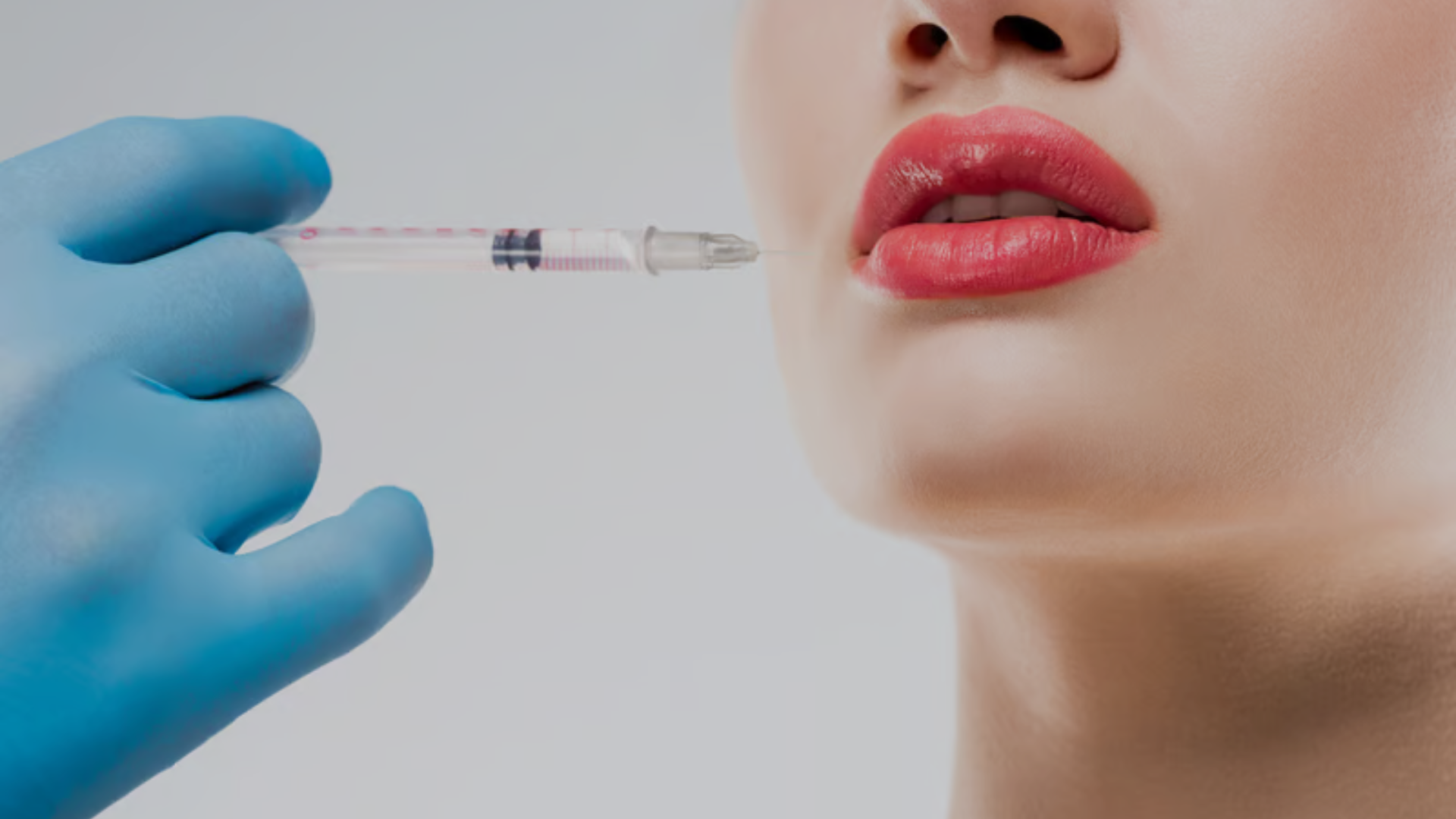
Injectable dermal fillers are designed to enhance facial contours. They can smooth deep wrinkles, restore volume, and improve overall facial features. Unlike plastic surgery, dermal filler treatment is a minimally invasive, outpatient procedure with no incisions involved.
How Dermal Fillers Work
The mechanism of action of dermal fillers involves physical filling and structural support. Once injected, the gel adds volume directly beneath the skin’s surface. This lifts sagging skin, smooths skin folds, and softens nasolabial folds.
Some filler types go further. Poly-L-lactic acid, for example, stimulates natural collagen production gradually over several weeks. This creates a more youthful appearance that builds slowly rather than appearing all at once.
Types of Dermal Fillers and How Long They Last
Not all fillers behave the same way once injected. Understanding the differences helps set realistic expectations for your treatment area.
Hyaluronic acid fillers generally last 6 to 12 months. Calcium hydroxylapatite fillers last about 12 months and add structural volume. Poly-L-lactic acid fillers can last over 2 years, since they work by encouraging your body’s own collagen production gradually. PMMA fillers are different still, providing indefinite, longer-lasting support beneath the skin. Clinical research confirms HA filler longevity commonly falls in the 6-to-18-month range, though the exact duration depends on the treatment area, product, and individual metabolism.
Your injector will recommend a specific filler type based on your treatment area and goals during your consultation.
Common Areas Treated With Facial Fillers
Facial fillers are commonly used to smooth nasolabial folds, plump thin lips, and restore volume in hollow cheeks. They also enhance facial contours along the jawline and chin. Some patients also use filler to soften smile lines and frown lines that have deepened over time.
Volume restoration with filler replenishes fat pads and addresses structural bone loss that naturally occurs with age. This is part of why results can look more balanced than a single treated area might suggest.
What to Bring to Your Consultation
A little preparation makes your consultation more productive. Bring a list of current medications and supplements, including anything over the counter, since even common products like fish oil or vitamin E can affect bruising. It also helps to bring reference photos if you have a specific look in mind, though your injector will guide you toward what’s realistic for your facial anatomy.
If you’ve had any previous filler, Botox, or other injectable treatments, note roughly when and where, since this affects how your provider approaches your treatment plan. Arriving with your questions written down also helps, since it’s easy to forget them once the conversation starts.
Questions Worth Asking Your Injector
A good consultation is a two-way conversation. Worth asking directly: which specific filler product they recommend for your treatment area, and why. Ask how many years of experience they have with facial fillers specifically, not just injectables in general. It’s also reasonable to ask what happens if you’re unhappy with the result, and whether the filler can be dissolved if needed.
Ask about their protocol for managing rare complications like vascular occlusion, including whether hyaluronidase is kept on-site. A confident, detailed answer to this question is a good sign you’re in experienced hands.
Dermal Fillers vs Botox: Understanding the Difference
First-time patients often confuse dermal fillers with Botox, since both are injectable and both are used on the face. The two work in entirely different ways. Botox relaxes the facial muscles that cause dynamic wrinkles, like frown lines or crow’s feet, which form through repeated expression. Dermal fillers instead add volume and structure to areas that have lost fullness, such as the cheeks, lips, or nasolabial folds.
Understanding this distinction before your appointment helps you and your injector target the right treatment for your actual concern. Some patients benefit from combining both in a single customized treatment plan, particularly when addressing multiple signs of aging at once.
Who Is a Good Candidate for Dermal Fillers?
Ideal candidates have realistic expectations about their results. Most reputable clinics recommend candidates be adults aged 22 and older, since facial structure is still developing in younger patients.
Candidates should not have severe allergies or active infections at the treatment site. Non-smokers generally experience better healing and more predictable results. A consultation is necessary to assess your individual facial anatomy before any treatment begins.
Certain patients should wait or explore alternatives first. This includes anyone who is pregnant or breastfeeding, has an active cold sore near the treatment area, or has a bleeding disorder that isn’t well managed. Patients with unrealistic expectations — for example, expecting filler to replace surgery or completely change their facial structure — are usually better served by a longer conversation about options before booking a first session.
What Happens at Your Follow-Up Visit
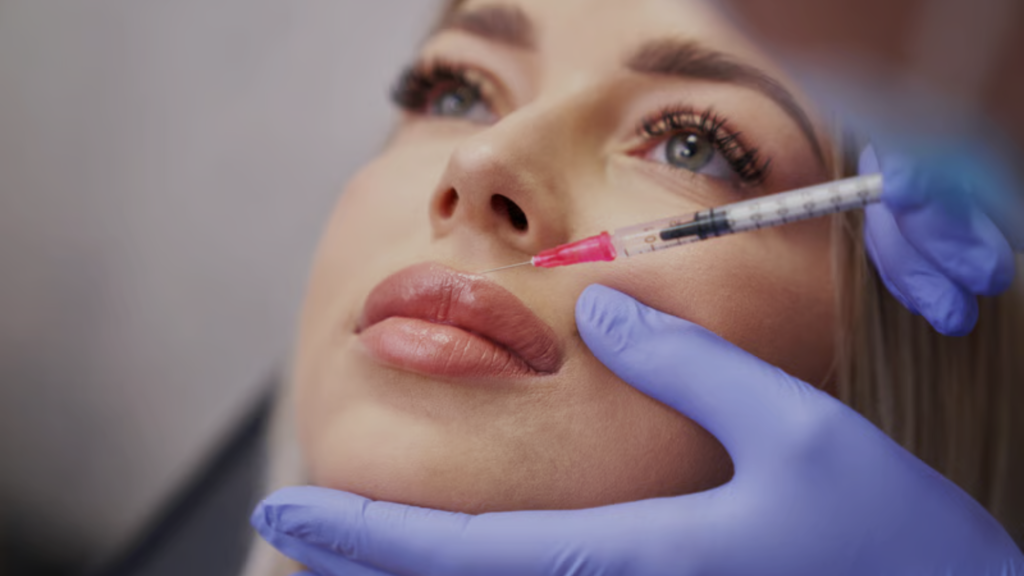
Many injectors schedule a short follow-up appointment two to three weeks after your first treatment. This gives your provider a chance to check symmetry once any initial swelling has fully resolved, and to make small refinements if needed. Not every patient needs a follow-up visit, but for first-time patients, it’s a useful safety net.
This is also a good time to ask any questions that came up during your first two weeks of healing, and to discuss timing for your next session if you’re planning ongoing maintenance treatments.
Step 1: Book a Proper Consultation First
Consultations for dermal fillers usually last about an hour. This gives your injector time to assess your facial anatomy and discuss your goals. It’s also your opportunity to ask questions about filler products, expected downtime, and realistic outcomes.
Choosing the right injector matters as much as choosing the right filler. Injectors should specialize in aesthetic medicine and understand facial vascular anatomy, since this knowledge directly affects your safety.
Step 2: Review Your Medical History Honestly
Clinics should conduct comprehensive pre-treatment consultations to review your medical history. This includes current medications, allergies, and any past reactions to injectable treatments. Be upfront about anything you’re taking, including over-the-counter supplements.
This step exists to reduce your risk. Certain medical conditions or medications can increase the chance of complications associated with dermal fillers, so full disclosure protects you.
Step 3: Know What to Avoid Before Your Appointment
In the days leading up to treatment, avoid blood thinning medications where medically appropriate, and always confirm any changes with your physician first. Limit alcohol intake for at least 24 hours beforehand, since it can increase bruising.
Avoid excessive sun exposure in the week before your appointment. Sun-damaged or irritated skin doesn’t respond as predictably to injection, and it can affect your recovery afterward.
Step 4: Understand the Dermal Filler Procedure
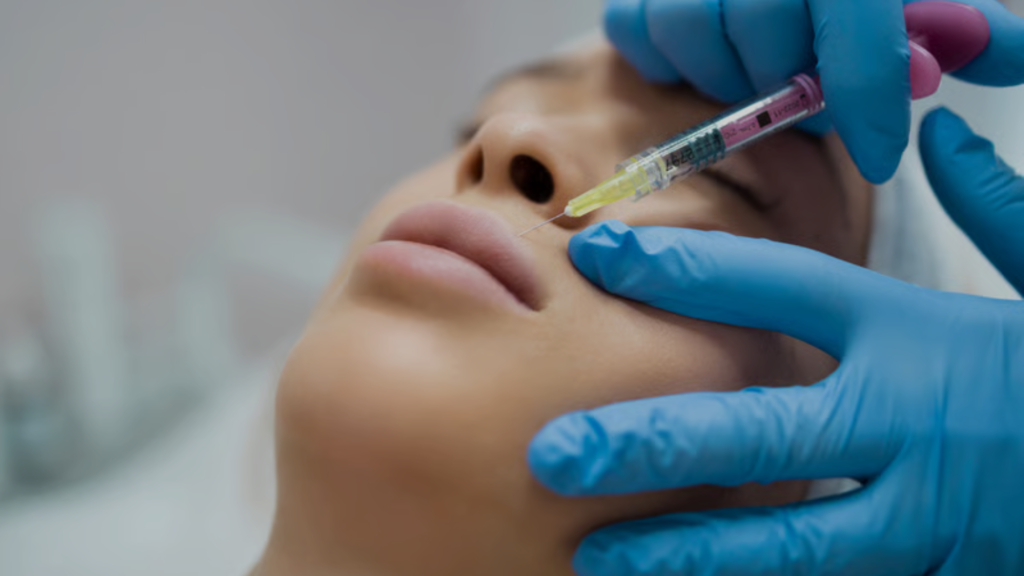
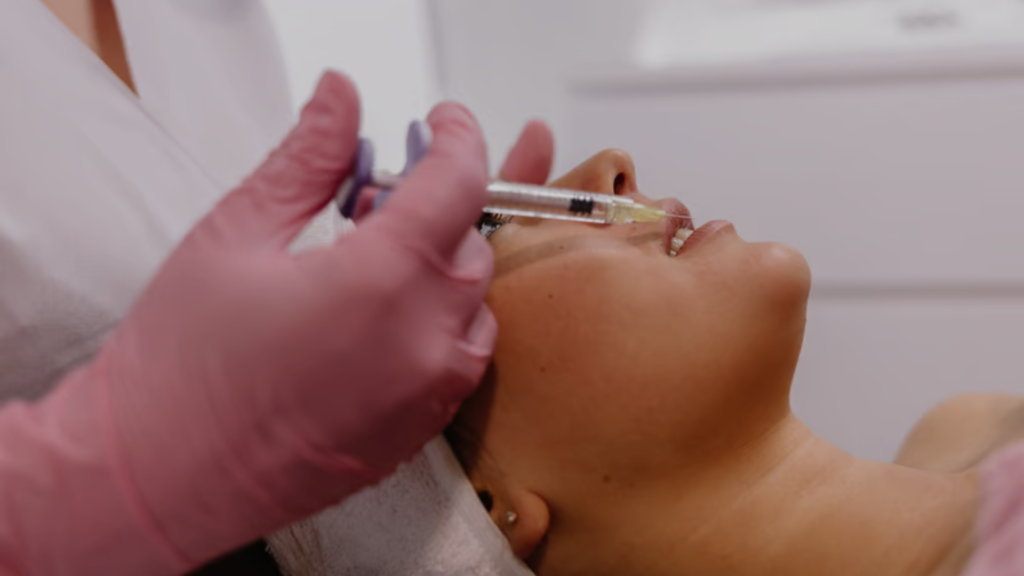
Dermal filler procedures can take 15 minutes to an hour, depending on how many areas you’re treating. A topical anesthetic is usually applied first to minimize discomfort at each injection site.
Your injector will then place the filler carefully, checking symmetry as they go. This customized treatment plan approach means the exact process varies slightly from patient to patient.
Is Getting Dermal Fillers Painful?
Most patients describe mild discomfort rather than significant pain during treatment. Numbing cream and the filler’s own built-in anesthetic (many formulas include lidocaine) help minimize discomfort throughout.
Results from dermal fillers are typically visible immediately after treatment. Some swelling is expected, so your final result may look slightly different than day one.
Side Effects and Risks Associated With Dermal Fillers
Most side effects associated with dermal fillers resolve within a few days to weeks. Mild bruising and swelling can last a few days post-treatment. Most swelling from fillers subsides within 24 hours, though some areas take slightly longer. The American Society of Plastic Surgeons notes that most swelling and bruising can be managed with icing and improves within hours to a few days, while it’s generally recommended to avoid intense physical activity for the first 24 to 48 hours to minimize both.
More serious complications are rare but possible. Accidental injection into a blood vessel can cause serious complications, which is exactly why choosing an experienced, qualified injector matters. Vascular occlusion occurs in an estimated 0.05% to 0.1% of filler treatments, and outcomes are significantly better when it’s recognized and treated quickly. An allergic reaction is also possible, though uncommon with hyaluronic acid fillers specifically.
Are Dermal Fillers Health Canada and FDA Approved?
In Canada, Health Canada regulates dermal fillers as medical devices and requires manufacturers to submit safety and effectiveness evidence before a product can be sold. Many of the same hyaluronic acid fillers used in Canadian clinics are also FDA approved for use in the United States, reflecting years of clinical safety data across both countries.
Health Canada has specifically warned against receiving filler from unauthorized needle-free devices sometimes used outside licensed medical settings. Choosing a provider who uses approved needle-based injection technique is an important safety step.
Who Can Legally Inject Dermal Fillers in Ontario?
Administering dermal fillers is a controlled act under Ontario’s Regulated Health Professions Act. Cosmetic injections are strictly regulated medical procedures in this province. Only physicians, nurse practitioners, or nurses working under proper authorization may legally perform them.
A reputable medical aesthetic clinic must have a designated Medical Director overseeing these treatments. This oversight is part of what separates a properly regulated clinic from an unregulated one.
Dermal Fillers Cost: What to Budget For
Dermal filler pricing varies quite a bit depending on the clinic and product used. Dermal fillers in the Toronto area, including Vaughan, typically cost between $600 and $1,200 per syringe, with nose and eyelid filler procedures often costing more due to the precision required.
Factors influencing dermal filler cost include the treatment area, the specific product type, and how much filler is needed to reach your goals. The total cost of fillers varies based on the number of syringes required, so ask for a full quote during your consultation rather than assuming a single per-syringe price covers everything.
Dermal Fillers and Acne Scars
Some types of dermal fillers can help improve the appearance of certain acne scars, particularly rolling or shallow indented scars. Filler adds volume beneath the depressed area, which can smooth overall skin texture. This isn’t the right solution for every scar type, so a consultation helps determine whether filler is appropriate for your specific scarring.
Facial Fat Grafting vs Dermal Fillers
Facial fat grafting is a different, more involved procedure. It transfers a patient’s own fat from one area of the body into the face. Unlike injectable dermal fillers, fat grafting requires a minor surgical harvesting step and longer recovery.
Dermal fillers primarily add volume or structure using gel-like substances injected beneath the skin, while some types encourage collagen production over time. Fat grafting can offer longer-lasting results but comes with more downtime and a more involved treatment process overall.
What Most People Get Wrong Before Their First Appointment
Many people assume more filler always looks better. In reality, subtle, gradual treatment tends to age better and looks more natural over time. Others skip the consultation step entirely, which is where an experienced injector identifies your actual anatomy and any risk factors specific to you.
Skipping pre-treatment instructions, like avoiding blood thinners or alcohol, is another common mistake. This small oversight can lead to more bruising and a longer recovery than necessary.
Setting Realistic Expectations for Natural-Looking Results
Dermal fillers can smooth lines and enhance facial contours. Contouring and definition reshape facial features by adding structure. Line and crease smoothing physically lifts deep folds from within, which is different from how muscle-relaxing injectables work.
The goal for most patients is a refreshed, more youthful appearance, not a dramatically different one. Being clear about this goal with your injector during your consultation is the best way to achieve natural looking results.
Frequently Asked Questions
How should I prepare the day before my dermal filler appointment?
Avoid alcohol and blood thinning medications the day before your appointment, where medically appropriate. Stay hydrated, and avoid excessive sun exposure or tanning. Arrive with a clean face, free of makeup if possible. This preparation helps minimize bruising and supports a smoother, more predictable dermal filler treatment overall.
Are dermal fillers safe for a first-time patient?
Yes, dermal fillers are generally safe when administered by a qualified, regulated injector using Health Canada-approved products. Most side effects associated with dermal fillers are mild, including temporary swelling or bruising. Choosing an experienced provider who understands facial vascular anatomy significantly reduces the risk of rare but serious complications.
How much do dermal fillers cost for a first treatment?
Dermal fillers cost in the Toronto area, including Vaughan, typically ranges from $600 to $1,200 per syringe, depending on the product and treatment area. Most first-time patients start with one syringe to assess how their skin responds. Your injector will provide an exact quote during your consultation based on your specific goals.
Can dermal fillers help with skin laxity?
Yes, dermal fillers work by physically adding volume beneath the skin’s surface, which can restore lost structure and smooth deep wrinkles. Results are typically visible immediately after treatment. Some formulas also stimulate natural collagen production over time, extending the improvement well beyond the initial injection appointment.
Do dermal fillers actually work for restoring volume?
Yes, dermal fillers work by physically adding volume beneath the skin’s surface, which can restore lost structure and smooth deep wrinkles. Results are typically visible immediately after treatment. Some formulas also stimulate natural collagen production over time, extending the improvement well beyond the initial injection appointment.
Why Choose a Regulated Provider for Your Dermal Fillers
Trust matters as much as technique when it comes to injectables. Beauty Aesthetics operates under medical oversight, using Health Canada-approved hyaluronic acid fillers administered by trained, regulated injectors who understand facial vascular anatomy. Every consultation includes a full medical history review, honest guidance on what filler can and can’t achieve, and a treatment plan built around your specific anatomy rather than a one-size-fits-all approach.
Choosing a provider with proper medical credentials, transparent pricing, and a track record of natural-looking results reduces your risk and sets you up for a smoother first appointment.
Your Next Step Before Booking
The best way to prepare for your first dermal filler appointment is a thorough, honest conversation with a qualified injector. Beauty Aesthetics offers a free consultation to review your medical history, discuss your goals, and build a treatment plan suited to your facial anatomy, with Affirm financing available if you’d like to plan your treatment around a payment schedule. Call +1 647-260-9607 or book online to get started.