B12 injections are one of the most requested “quick fix” treatments at wellness clinics, usually by patients hoping for more energy and a faster metabolism. The honest answer is more nuanced than the marketing suggests, and it depends almost entirely on whether you’re actually deficient in the first place. This blog explains whether a vitamin deficiency injectable system like B12 shots actually you lose weight, giving the direct answer that they don’t work directly but can help indirectly by correcting a confirmed deficiency and restoring energy levels.
The Direct Answer: Do B12 Injections Cause Weight Loss?
Vitamin B12 injections do not directly cause weight loss. What they can do is address a vitamin B12 deficiency, which — if present — is often linked to fatigue, low energy levels, and reduced motivation to exercise or maintain healthy habits. In that specific situation, B12 injections can aid in weight loss indirectly, by helping someone feel well enough to be more active and consistent with their routine. The efficacy of B12 injections as an energy booster is limited to individuals with confirmed deficiencies; for people with normal B12 levels, extra B12 is simply excreted by the body and has no measurable effect on weight.
What Is Vitamin B12 and Why the Body Needs It
Vitamin B12 is a water soluble vitamin that plays a critical role in red blood cell formation, nervous system function, and DNA synthesis. It works closely with folic acid to support red blood cells and healthy cell division throughout the body.
Because B12 is water soluble, the body doesn’t store large amounts of it long-term the way it stores fat-soluble vitamins, which is one reason ongoing dietary intake or supplementation matters for some people more than others.
How B12 Injections Work
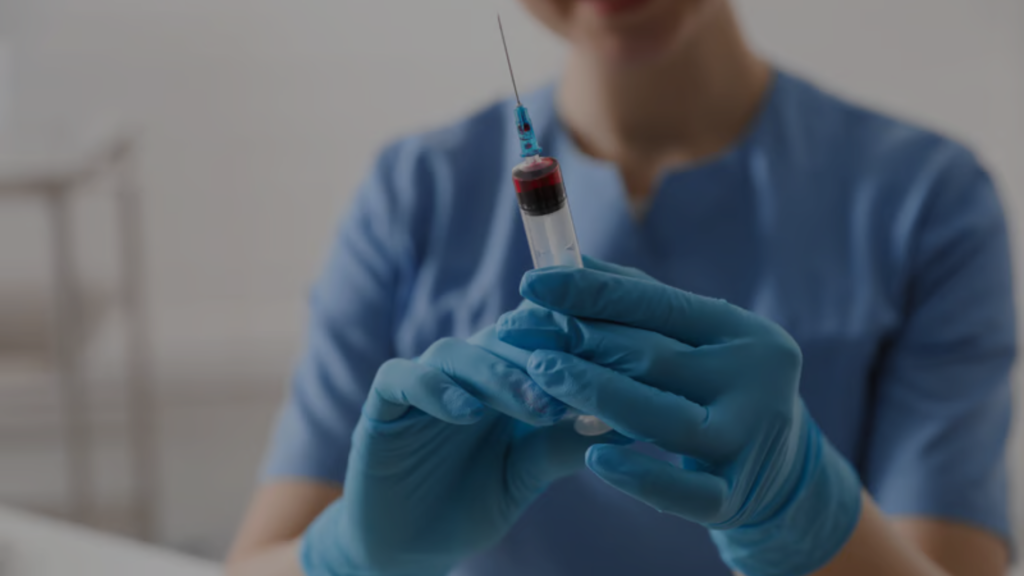
A vitamin B12 injection delivers a synthetic form of the vitamin directly into muscle tissue, typically the upper arm or thigh, bypassing the digestive system entirely. This matters for people whose bodies struggle to absorb B12 through food, since an injection skips the digestive absorption step that oral supplements depend on.
Once administered, B12 injections boost red blood cell production and support the nervous system, and B12 injections help convert food into energy at the cellular level. For someone who is genuinely deficient, this can translate into more energy and improved mood within days to weeks.
The Real Connection Between B12 Injections and Weight Loss
The weight loss claims around B12 shots come from a real but narrow mechanism. B12 injections may improve symptoms of fatigue in deficient individuals, and more energy naturally makes it easier to stay active, which supports a healthy weight over time. B12 injections support a healthy nervous system and may enhance mood and reduce depression symptoms in people with low B12 — and mood plays a real role in eating habits and motivation.
None of this means B12 injections burn fat or replace a calorie deficit. Researchers have not found evidence that B12 has a direct fat-burning or appetite-suppressing effect in people with normal levels. If weight loss is the primary goal, B12 is, at best, a supporting piece of a larger plan rather than the plan itself.
Signs of Vitamin B12 Deficiency
Recognizing the following signs matters more than jumping straight to injections. Fatigue is one of the most common symptoms of B12 deficiency, often described as exhaustion that doesn’t improve with sleep. Memory loss and difficulty concentrating can also indicate a vitamin B12 deficiency, particularly in older adults.
Mood swings may signal low vitamin B12 levels, and in more advanced cases, neurological issues such as tingling, nerve pain, or numbness in the hands and feet can arise from untreated B12 deficiency. Difficulty walking or balance problems are less common but are among the more serious signs that warrant prompt medical attention rather than self-treatment.
Who Is Most at Risk of Vitamin B12 Deficiency
Certain groups face a meaningfully higher risk. People following a vegan diet or strict vegetarian diet are at higher risk of B12 deficiency, since B12 occurs almost exclusively in animal-based foods. Individuals with digestive system conditions — including Crohn’s disease, celiac disease, or a history of gastrointestinal surgery — often have difficulty absorbing B12 orally, regardless of diet.
Older adults may require B12 injections due to decreased absorption efficiency as the body ages. Regular alcohol intake, certain prescription medications, thyroid disease, and pernicious anemia — an autoimmune condition affecting B12 absorption — are also recognized factors. Anyone managing several of these medical conditions at once should discuss B12 testing with a healthcare provider rather than assuming supplementation is automatically needed.
What Happens During a B12 Injection Appointment
Blood tests are generally needed to confirm B12 deficiency before starting injections, since guessing at a deficiency without lab work risks over-treating a problem that isn’t actually present. Once deficiency is confirmed, a healthcare provider or naturopathic doctor will typically recommend supplementation based on the severity of the deficiency and your overall health history.
The injection itself is quick — administered into the muscle of the upper arm or thigh — and B12 injections can start to work almost immediately after administration, though the full benefit builds over repeated doses rather than a single visit.
Injection Frequency and Treatment Regimen
The regimen for B12 injections often starts with multiple doses per week before transitioning to maintenance doses spaced further apart. Some protocols call for B12 injections every other day for two weeks initially, especially for more significant deficiencies, while monthly B12 shots are often sufficient for chronic, stable deficiencies once levels normalize.
B12 injection frequency depends on individual health needs, and calibration of B12 dosage depends on personal medical history and the specific type of deficiency involved. This is not a one-size-fits-all schedule, which is exactly why bloodwork and a proper treatment plan matter more than a generic weekly appointment.

Self-Administering B12 Injections at Home
Self-administration of B12 injections is possible after proper training from a healthcare provider, and some patients on a longer maintenance schedule choose to give their own injections at home rather than visiting a clinic each time. This generally involves learning correct injection site technique and safe needle disposal.
Anyone considering self-administering their own injections should confirm this is appropriate for their situation with their provider first, since not every patient or every formulation is suited to at-home dosing.
Side Effects and Safety
B12 injections are generally considered safe for most people, and most individuals tolerate B12 injections well, with mild side effects being occasional rather than typical. Side effects of B12 injections can include mild soreness, redness, or slight swelling at the injection site, usually resolving within a day.
In rare cases, more significant reactions can occur, and anyone experiencing unusual swelling, difficulty breathing, or a widespread skin reaction after an injection should seek medical attention promptly. Patients on certain prescription medications or with existing medical conditions affecting the immune system should review their history with a healthcare provider before starting.
What Most People Get Wrong About B12 Injections and Weight Loss
Most people assume B12 injections work like a metabolism switch — inject it, burn more calories. In someone with normal B12 levels, that’s simply not how it functions; extra B12 doesn’t accelerate fat metabolism beyond what the body already needs. The actual benefit is narrower and more honest: correcting an existing deficiency can restore energy levels and general well being, which indirectly supports a healthy weight through better activity and mood, not through a direct metabolic effect.
Is a B12 Injection Right for You?
B12 injections make the most sense for people with a confirmed deficiency, a vegan diet, a digestive condition affecting absorption, or another risk factor discussed with a healthcare provider. If bloodwork shows normal B12 levels, injections are unlikely to add meaningful benefit and aren’t a substitute for addressing diet, sleep, or activity directly with a broader weight management plan.
Who Should Talk to a Doctor Before Starting
Anyone with thyroid disease, pernicious anemia, or a condition affecting the digestive system should have a proper conversation with a doctor or naturopathic doctor before starting B12 injections, since the underlying condition may need separate treatment alongside supplementation. Pregnant or breastfeeding patients, and anyone currently on prescription medications that interact with B12 metabolism, should also confirm safety with their healthcare provider first.
Cost and Insurance Coverage in Ontario
B12 injections are typically billed as a wellness or naturopathic service in Ontario rather than a covered medical treatment, so check with your insurance provider directly, since most plans classify it separately from prescription drug coverage. Pricing varies by clinic and by how many injections are included in a visit or package, so it’s worth asking for the full breakdown — including whether follow-up doses are priced individually — before starting a regimen.
Frequently Asked Questions
Do B12 injections actually help with weight loss?
Not directly. B12 injections can aid in weight loss indirectly by improving energy levels and mood in people with a confirmed vitamin B12 deficiency, which can make it easier to stay active. In people with normal B12 levels, injections generally don’t produce a measurable effect on weight.
How do I know if I have a vitamin B12 deficiency?
The following signs are common indicators: persistent fatigue, memory issues, mood swings, and in more advanced cases, nerve pain or tingling in the hands and feet. A blood test through a healthcare provider is the only reliable way to confirm a vitamin B12 deficiency rather than guessing from symptoms alone.
How often do I need a vitamin B12 injection?
It depends on the severity of the deficiency. Some patients start with injections every other day for two weeks, then move to monthly maintenance doses once levels stabilize. B12 injection frequency is calibrated individually based on your bloodwork and medical history.
Are B12 injections safe for people without other medical conditions?
Yes, B12 injections are generally considered safe for most healthy adults, with mild soreness at the injection site being the most common side effect. Rare cases of more significant reactions exist, which is why screening for existing medical conditions and medications is part of a proper consultation before starting.
A Realistic Starting Point
If low energy, fatigue, or stalled progress toward a healthy weight has you considering B12 injections, the most useful first step is confirming whether a deficiency is actually present rather than guessing. Beauty Aesthetics offers a free consultation to review your symptoms, discuss appropriate testing, and build a realistic plan — with Affirm financing available if a broader wellness or IV therapy plan makes sense for you.