PRP hair restoration works best for early to moderate thinning, not completely bald areas. A few specific factors determine real candidacy.
Key Takeaways
- PRP works best for androgenetic alopecia with active hair follicles still present.
- Most clients notice results within 2 to 3 sessions, with full effects by 4 to 6 months.
- Initial treatment requires three sessions spaced 4 to 6 weeks apart.
- PRP treatment costs range from $1,500 to $3,500 for a full series.
- Candidates should not be completely bald in the treatment area.
- Certain medical conditions, like thyroid disease, can affect how well PRP works.
Introduction
Good candidates for PRP hair restoration have early to moderate thinning with active hair follicles still present in the treatment area. This matters because PRP works by stimulating existing follicles, not creating new ones, so candidacy depends heavily on how advanced your hair loss already is before you commit to a full treatment series. This guide walks through exactly who benefits most, what disqualifies a candidate, and what the full treatment process involves from consultation through maintenance.
How PRP Hair Restoration Works
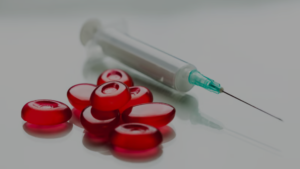
PRP contains growth factors that stimulate hair follicle activity. Platelet rich plasma is created by drawing a small blood sample from the patient’s arm, then spinning it in a centrifuge at high speeds to separate platelets from other blood components, including red and white blood cells.
PRP is derived from the patient’s own blood, minimizing allergic reactions, since nothing foreign is introduced into the body. Once concentrated, the plasma is injected directly into the scalp, delivering growth factors to targeted hair follicles in the treatment area.
This entire process, from blood draw to final injection, typically takes place within a single appointment, since the plasma needs to be used shortly after separation for the best therapeutic effect. The concentration process itself takes only a few minutes, though the overall appointment, including consultation and injections, generally runs closer to an hour.
Growth Factors That Drive Hair Regrowth
Platelets play a central role here, releasing several specific growth factors once injected into the scalp. Epidermal growth factor supports tissue repair and cell turnover, encouraging healthier skin and follicle function in the treated area. Fibroblast growth factor promotes new blood vessel growth, improving blood supply to weakened or miniaturizing follicles.
PRP promotes new blood vessel growth in the scalp, which improves blood flow to hair follicles specifically. Better blood flow means more oxygen and nutrients reaching each follicle, supporting the natural hair growth cycle and helping follicles that have become dormant re-enter an active growth phase.
This biological mechanism is well documented in tissue repair research more broadly, since the same growth factors used in PRP hair restoration are also used in orthopedic medicine to support healing in other parts of the body. Applying this mechanism to the scalp is a more targeted, cosmetic application of the same underlying biology.
Ideal Candidates for PRP Hair Restoration
PRP is most effective for androgenetic alopecia, or pattern hair loss, in both men and women. This is the most common cause of hair thinning, and PRP has the strongest body of supporting results specifically for this type of hair loss. Candidates should not be completely bald in the treatment area, since PRP stimulates existing follicles rather than creating new ones from scratch.
Individuals with active, though weakened or miniaturizing, hair follicles typically see the best results, since these follicles still respond to the growth factors delivered during treatment. High platelet levels improve PRP treatment effectiveness, which is one reason a proper blood assessment during your initial consultation matters, rather than assuming every patient’s blood will respond identically to the treatment.
Candidates who catch hair thinning early, before follicles have fully miniaturized or gone dormant, generally see more noticeable results than those who wait until hair loss has progressed significantly. This is one of the more important, and often overlooked, factors in overall candidacy: timing matters nearly as much as the underlying cause of hair loss itself.
Who Should Consider Other Hair Restoration Options
Clinical evidence suggests PRP may not equally benefit all types of hair loss. Individuals with thyroid disease may not respond well to PRP, since an underlying hormonal condition can interfere with the biological response PRP depends on to stimulate follicle activity.
PRP is not recommended for patients with active skin conditions on the scalp, such as infections or active inflammation, since injecting into compromised skin carries additional risk. Some patients may experience no benefit from PRP treatments at all, which is why realistic expectations, discussed openly during consultation, matter as much as the treatment itself.
Patients with completely bald areas, where follicles have been dormant for years, are generally better candidates for a hair transplant than PRP alone, since there are no active follicles left for PRP to stimulate. In these cases, PRP is sometimes used alongside a hair transplant instead, supporting healing and graft survival rather than functioning as the primary treatment.
The PRP Treatment Process, Step by Step
Your initial consultation reviews your medical history and hair loss pattern to confirm candidacy. This step also typically includes a close visual assessment of your scalp, checking hair density and follicle activity across the affected area before any treatment plan is finalized.
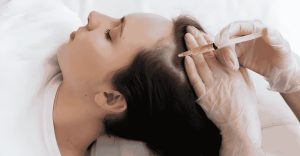
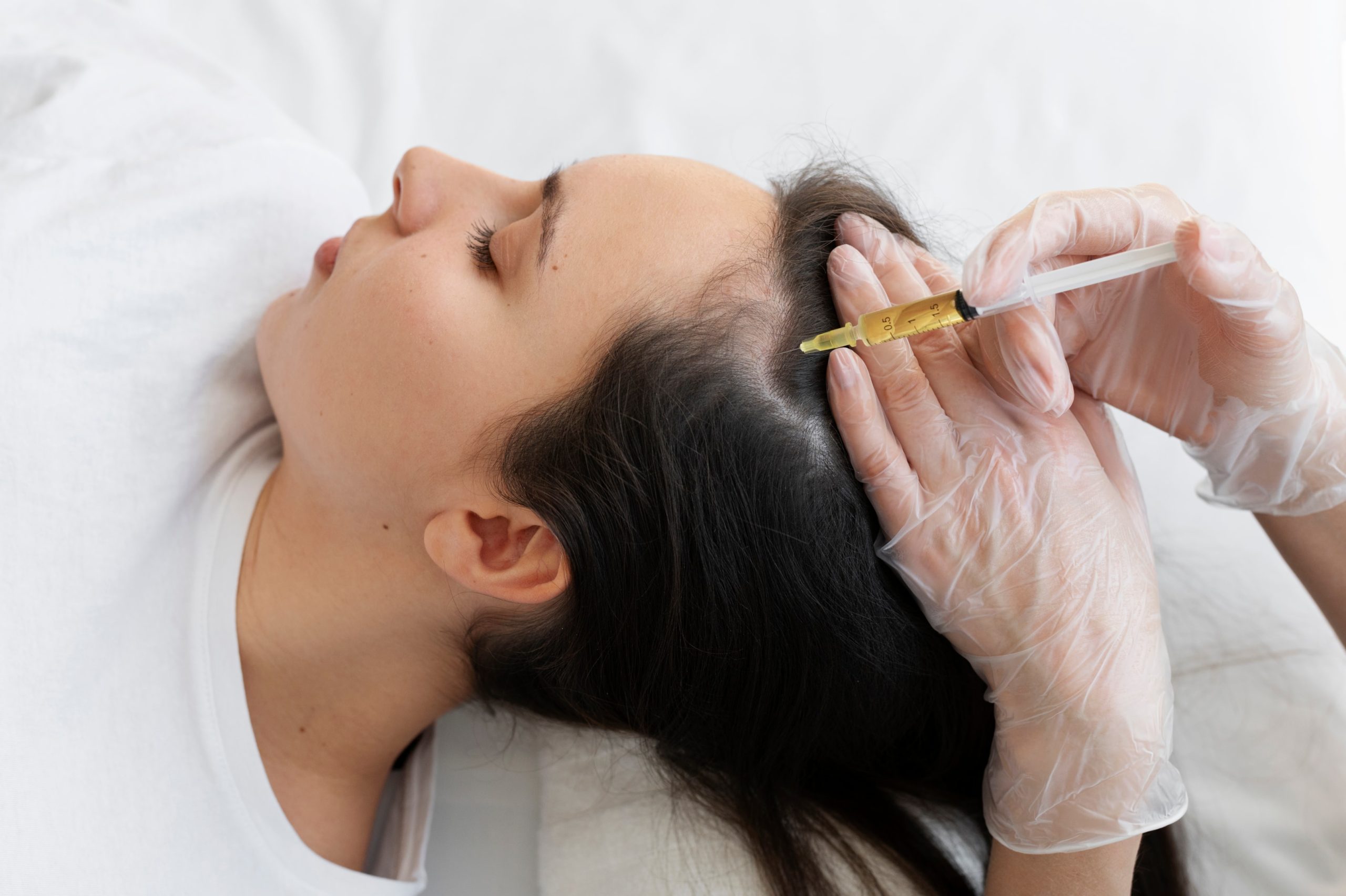
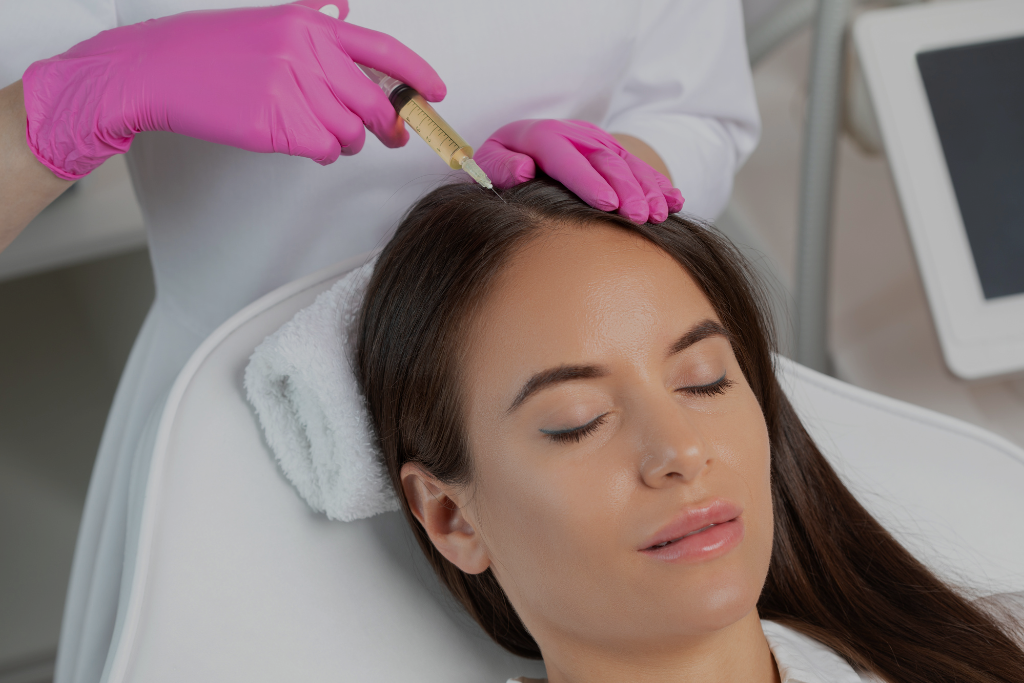
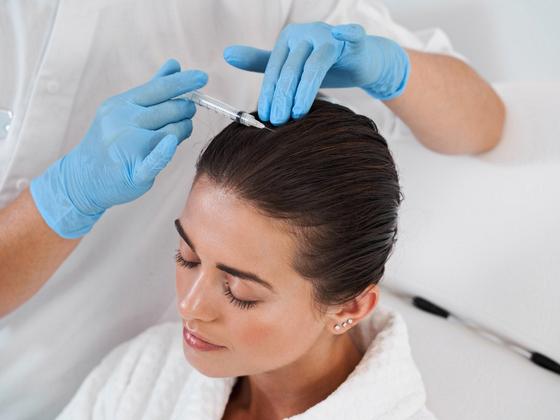
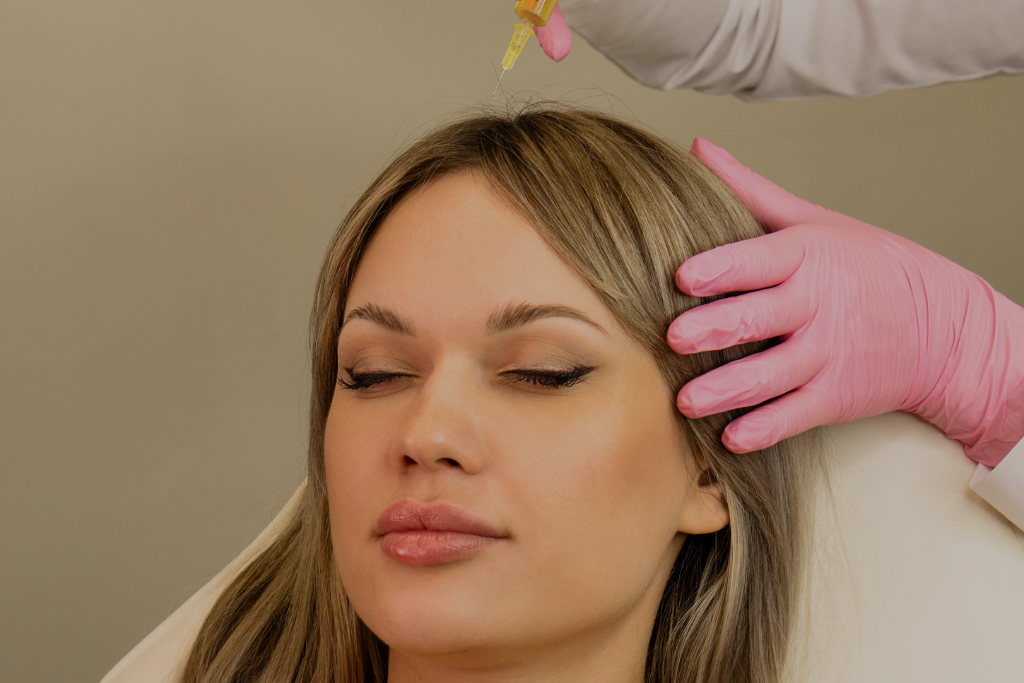
On treatment day, a small blood sample is drawn from your arm, similar to a routine blood test. Local anesthesia is typically applied to the scalp to minimize discomfort during injections. The blood is processed in a centrifuge, then the concentrated platelet rich plasma is injected directly into thinning areas using a fine needle, following a pattern designed to cover the full treatment zone evenly.
How Many PRP Sessions Do You Need?
Initial treatment requires three sessions spaced 4 to 6 weeks apart for most patients. PRP therapy typically requires multiple sessions for effectiveness, since hair follicles need repeated exposure to growth factors before shifting into an active growth phase rather than remaining dormant or weakened.
After the initial series, ongoing maintenance treatments help sustain results, since the biological signal from PRP fades over time without reinforcement. How many PRP sessions you need long-term depends on your specific hair loss pattern and how your scalp responds to the initial series, which is why follow-up assessments matter as much as the original treatment plan.
Timeline: When Results Become Noticeable
Most clients notice results within 2 to 3 sessions, though results from PRP treatment may take several months to become fully noticeable. Full effects of PRP appear over 4 to 6 months, as hair density and hair thickness gradually improve alongside the natural hair growth cycle.
A 2019 meta-analysis of clinical trials found PRP increases hair density by roughly 30% to 40% after 3 to 4 sessions, with similar gains reported across both men and women. Individual results vary based on the severity of hair thinning and how consistently maintenance treatments are followed, so tracking progress with photos at each session helps set realistic, personalized expectations rather than comparing yourself to a general average.
Side Effects and Safety
Potential side effects of PRP include mild discomfort, redness, and swelling at injection sites. Local pain may occur at injection sites after PRP treatment, and temporary swelling can happen as well, both typically resolving within a day or two without any lasting impact.
PRP therapy is considered very safe due to autologous injections, meaning it uses only the patient’s own blood rather than any synthetic or donor-derived material. Infection risk is low if the procedure is aseptic, performed with proper sterile technique by a trained provider who follows established clinical protocols throughout the blood draw, processing, and injection stages.
PRP Hair Restoration Cost
PRP treatment costs range from $1,500 to $3,500 for a full series, with individual PRP sessions typically costing between $500 and $1,000. Maintenance treatments are priced around $600 each after the initial series is complete.
Costs vary based on location and practitioner’s expertise, so it’s worth requesting a full written quote during your initial consultation rather than relying on a general estimate found online. Most insurance plans do not cover PRP hair treatment costs, since it’s generally classified as a cosmetic or elective procedure rather than a medically necessary treatment.
What Most People Get Wrong About PRP Candidacy
Many people assume PRP works equally well for everyone experiencing hair loss. In reality, PRP works well as a complementary therapy to other hair loss treatments, but it isn’t a standalone solution for advanced or completely bald areas, and expecting it to function that way often leads to disappointment.
The other common misconception involves expecting immediate results. Since results from PRP treatment may take several months to become noticeable, patients expecting dramatic change after one session are often judging the treatment too early in its actual timeline. It’s also worth noting that skipping maintenance treatments after the initial series is a common reason results fade sooner than expected, even in patients who were genuinely good candidates to begin with.
Frequently Asked Questions
Am I a good candidate for PRP hair restoration?
Good candidates have early to moderate hair thinning from androgenetic alopecia, with active follicles still present in the treatment area. Candidates should not be completely bald, and certain conditions like thyroid disease or active scalp conditions may affect eligibility. A consultation confirms candidacy based on your specific hair loss pattern.
How many PRP sessions will I need?
Most patients need an initial series of three sessions, spaced 4 to 6 weeks apart, followed by ongoing maintenance treatments. Most clients notice results within 2 to 3 sessions, though full effects typically appear over 4 to 6 months as hair density gradually improves.
Does PRP work as well as a hair transplant?
PRP and hair transplant serve different purposes. PRP stimulates existing, weakened follicles and works best for early to moderate thinning, while a hair transplant relocates active follicles into bald or severely thinning areas. Many patients use PRP alongside a hair transplant to support healing and overall results.
What growth factors make PRP effective for hair loss?
PRP contains several growth factors, including epidermal growth factor and fibroblast growth factor, that stimulate hair follicle activity and support new blood vessel growth in the scalp. These growth factors improve blood flow and deliver oxygen and nutrients to weakened follicles, supporting the natural hair growth cycle.
How much does PRP hair restoration cost?
PRP treatment costs range from $1,500 to $3,500 for a full series of three sessions, with individual sessions typically priced between $500 and $1,000. Maintenance treatments after the initial series cost around $600 each. Most insurance plans do not cover this cosmetic procedure.
Why Choose an Experienced Provider
Beauty Aesthetics follows a standardized PRP protocol using proper centrifuge technique and sterile handling, with every treatment plan starting from an honest assessment of whether your specific hair loss pattern is a good match for PRP. This assessment matters more than most patients realize, since PRP’s effectiveness depends heavily on candidacy factors like follicle activity, platelet levels, and any underlying medical conditions that could affect your results.
Ready to Find Out If You’re a Candidate?
The only reliable way to know if PRP hair restoration is right for you is a proper in-person assessment of your scalp and hair loss pattern, rather than guessing from general information alone. Beauty Aesthetics offers a free consultation to evaluate your candidacy and build a realistic treatment plan. Call +1 647-260-9607 or book online to get started.