
Winter is one of the most effective times to get a HydraFacial treatment in Vaughan. Cold outdoor air, low-humidity indoor heating, and the daily cycle between the two strip the skin’s moisture barrier, slow cell turnover, and leave most people dealing with dryness, flaking, tightness, and dullness they cannot resolve with moisturiser alone. A HydraFacial addresses all of that in a single session — clearing congestion, restoring hydration, and rebuilding barrier function with no downtime.
Key Takeaways
- Winter skin presents with dryness, dry patches, flaking, tightness, dullness, and increased sensitivity — HydraFacial targets all five in one treatment
- The “oily-but-dry” paradox — dehydrated skin overproducing surface oil — is a common winter presentation that HydraFacial addresses by targeting dehydration rather than oil production
- Winter protocols dial back resurfacing intensity and prioritize lipid replenishment, gentle pore clearing, and inflammation control
- Reduced UV exposure in winter means less interference with active serums and a lower post-treatment risk of hyperpigmentation
- Most patients see an immediate glow and noticeable improvement in texture, smoother skin, and deep hydration right after treatment
- Regular treatments through the colder months build cumulative results heading into spring
What Winter Actually Does to Your Skin
Vaughan winters are genuinely hard on skin in ways that compound. Cold outdoor air holds less moisture than warm air does. Indoor heating systems — forced air in particular — lower relative humidity further, often well below the range skin needs to stay healthy. Moving between the two conditions repeatedly throughout the day accelerates transepidermal water loss — the process by which moisture escapes through the skin’s surface. The result is a barrier that becomes progressively less able to hold on to what it has.
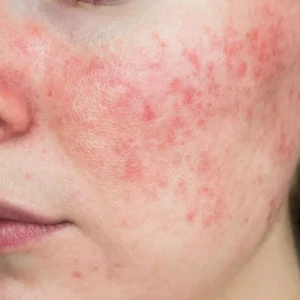
Patients who come in during winter regularly present with dryness, dry patches, flaking, tightness, dullness, and increased sensitivity. All five trace back to a weakened moisture barrier and slowed cell turnover. When the barrier is compromised, products that caused no issue in summer can trigger redness or irritation by January.
Some patients present with the oily-but-dry paradox. Chronically dehydrated skin overcompensates by producing excess surface oil. The result is congestion and breakouts alongside persistent dryness — not because the skin is inherently oily, but because dehydration is driving it. Treating it like summer oiliness — with stripping or aggressive exfoliation — makes the underlying problem worse.
Barrier-compromised skin also flares up in winter. Patients with reactive or sensitive skin find that Canadian winter temperature and humidity swings can trigger redness and irritation that do not respond well to their usual routines. This is a different presentation from dryness alone, and it calls for a different approach — one that prioritizes calming the barrier before attempting any exfoliation or active treatment.
What HydraFacial Does and Why Winter Timing Works
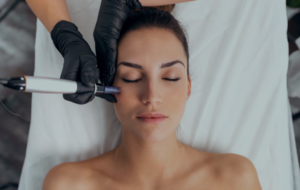
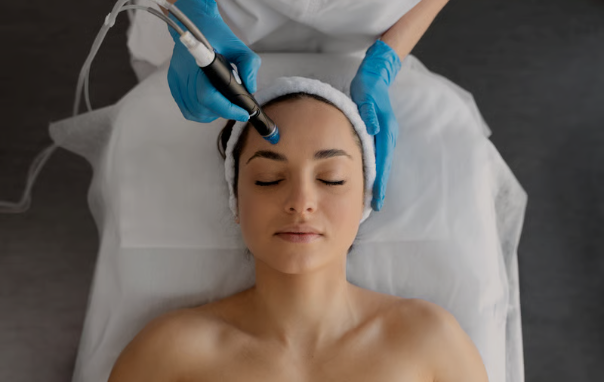
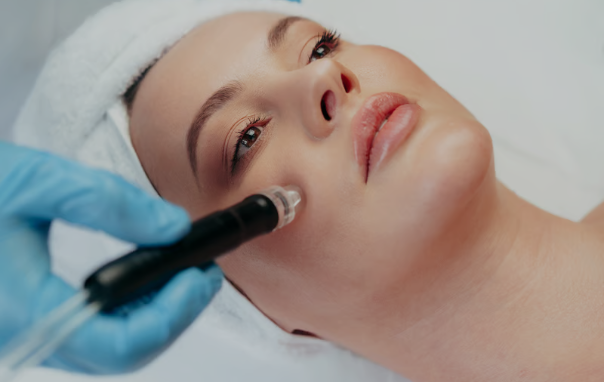
HydraFacial is a multi-step skin treatment that combines cleansing, exfoliation, extraction, and serum infusion in a single session using a device with interchangeable tips and a closed-loop delivery system. It does not involve manual extractions. The patented vortex fusion technology simultaneously removes impurities, clears clogged pores, and delivers nourishing serums into the follicular environment — a combination standard facials cannot replicate.
The treatment moves through three main phases. The first phase cleanses and exfoliates using a mild blend of glycolic and salicylic acids to loosen dead skin cells. The second phase uses a vacuum-based tip to clear pores without manual pressure. The third phase delivers a serum blend — typically including hyaluronic acid, peptides, and antioxidants — directly into the skin.
Winter is an effective time for this treatment for one specific reason: UV exposure is lower. Active serums, particularly those containing growth factors or vitamin C, perform better when daily sun damage and UV exposure are reduced. The post-treatment vulnerability that follows any exfoliation step is also easier to manage in winter than in warmer months — most people spend less time outdoors, wear more coverage, and the sun’s intensity is lower even when they do go outside.
How the Protocol Changes in Winter
For a compromised barrier or the oily-but-dry paradox, the HydraFacial protocol is adjusted. Resurfacing intensity is dialled back. Rather than using the strongest available peel setting, the focus shifts to lipid replenishment, gentle pore clearing, and inflammation control.
For a patient presenting with the oily-but-dry paradox, the goal is not to suppress oil production. It is to restore adequate hydration so the skin stops overproducing oil as a compensation response. The serum selection emphasizes hyaluronic acid and barrier-rebuilding ingredients rather than clarifying acids or strong exfoliants. The extraction step is gentler than it would be for a typical summer congestion presentation.
For a patient with a reactive or compromised barrier — someone dealing with winter flare-ups, sensitivity from product overload, or persistent tightness and reactivity — the protocol prioritizes calming and rebuilding over resurfacing. The peel step is kept mild. Post-treatment serums lean toward peptides, ceramides, and anti-inflammatory actives rather than brighteners or strong acids.
Patients who come in during winter months typically notice a different quality to their results compared to what they experience in other seasons. Hydration improvement is often more pronounced because the skin is starting from a place of significant depletion. Texture improvement is visible from the first session. Sensitivity and reactivity frequently calm in the days after treatment as the barrier rebuilds.
What to Expect at Your Appointment
A HydraFacial appointment at Beauty Aesthetics begins with a skin assessment. This covers your current concerns, what your skin has been doing through the winter months, your existing skincare routine, and any sensitivities or conditions that would affect the treatment protocol. The assessment determines which serum blend, peel strength, and extraction approach is appropriate for your skin that day.
The treatment itself takes approximately 30 to 60 minutes. There is no downtime. Most patients leave with an immediate glow, noticeable improvement in texture, and deeply hydrated, refreshed skin. Because HydraFacial avoids manual extractions and uses a mild peel, the post-treatment redness common with other facial treatments is generally minimal or absent.
After the treatment, your provider will walk through aftercare for the specific protocol used. For winter patients, this typically includes keeping sun protection consistent even on overcast days, avoiding active exfoliants at home for at least three days following the session, and prioritizing a simple, hydrating routine while the barrier rebuilds. Layering too many active products on top of freshly treated skin is one of the most common ways patients undermine results they would otherwise see clearly.
Improvement continues in the week following treatment as the serums work, collagen production is supported, and the barrier rebuilds. For patients who book monthly through the winter, results are cumulative — each session builds on the previous one, and the skin heading into spring is in meaningfully better condition than when winter started.
Who Benefits Most From a Winter HydraFacial
HydraFacial in winter suits most skin types, but it is particularly well suited to patients dealing with barrier disruption, persistent dryness, aging skin concerns, the oily-but-dry paradox, or dullness that does not respond to skin care products at home.
Patients who have been using retinoids, prescription topicals, or aggressive at-home exfoliation and find their skin increasingly reactive in winter are strong candidates. The treatment resets the barrier rather than adding more actives to an already taxed surface.
Patients preparing for a winter event — a holiday gathering, a family photo session, or a work function — also do well with a single HydraFacial booked one week before the date. That window allows any mild post-treatment changes to settle while capturing the texture and glow improvement that follows the session.
HydraFacial is not appropriate for patients with active inflammatory acne covering a large area of the treatment zone, active cold sores, or current skin infections in the treatment area. Patients who are currently using isotretinoin should discuss timing with their provider before booking. A clinical assessment at the consultation confirms whether treatment is right for your skin at that time and what adjustments, if any, would be made to the standard protocol.
Frequently Asked Questions
Is HydraFacial Good for Dry Winter Skin?
Yes. HydraFacial is particularly effective for winter dryness because it addresses the underlying barrier disruption rather than adding surface moisture that evaporates quickly. The serum infusion step delivers hyaluronic acid and peptides directly into the pore environment, and results are typically visible immediately after the session.
How Often Should I Get a HydraFacial in Winter?
Monthly treatments are the standard recommendation for sustained results through winter. Each session builds on the previous one, so patients who book consistently through December, January, and February see the most meaningful cumulative improvement. Single sessions before a specific event are also effective for an immediate texture and hydration result.
Does HydraFacial Help With the Oily-But-Dry Paradox?
It does. The oily-but-dry paradox is driven by dehydration, not inherently oily skin. HydraFacial resolves it by addressing the dehydration directly — restoring hydration so the skin stops overproducing surface oil as a compensatory response. Treating this presentation with stripping or harsh exfoliation typically worsens it.
Is There Downtime After a Winter HydraFacial?
No. Most patients see immediate improvement in texture and hydration with minimal to no post-treatment redness. Because HydraFacial avoids manual extractions and uses a mild peel, the recovery is significantly easier than other facial treatments. Makeup can generally be applied the same day if needed.
Can I Get HydraFacial if My Skin Is Reactive in Winter?
Yes, with an adjusted protocol. Reactive or barrier-compromised skin benefits from a gentler approach — lower peel intensity, calming serums, and no aggressive exfoliation. This is why the initial assessment matters: treatment is calibrated to where your skin is on that specific day, not a fixed protocol applied to everyone.
How Long Do HydraFacial Results Last?
Results from a single HydraFacial typically last four to six weeks, which lines up with a monthly maintenance schedule. Patients who book consistently see improvement that compounds over time — skin texture, hydration, and overall clarity are all better maintained across a series than they are with a single standalone session.
Book a Winter HydraFacial at Beauty Aesthetics Vaughan
Beauty Aesthetics in Vaughan offers HydraFacial treatments with our licensed aesthetician. Book a consultation to have your winter skin assessed and a treatment plan built around your specific concerns — whether you are dealing with dryness, barrier disruption, congestion, dullness, or the oily-but-dry paradox. The consultation is complimentary and no treatment is confirmed until your skin is properly evaluated. 0% financing is available through Affirm.
Phone: 647-260-9607 · Book online: beautyaesthetics.ca