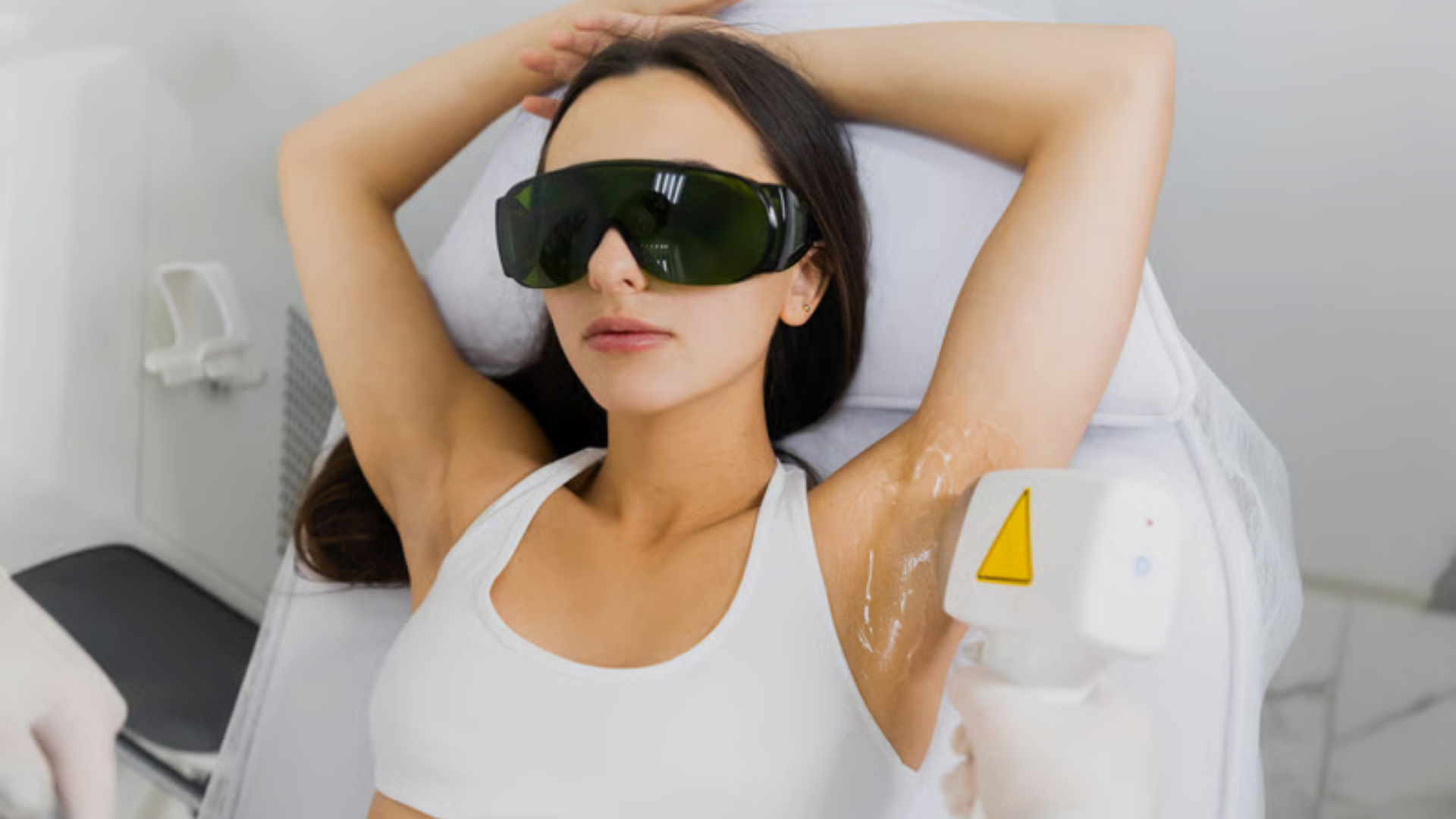
OHIP does not cover laser hair removal at private clinics in Ontario, and most patients with PCOS will pay out of pocket or pursue reimbursement through private insurance. This guide explains how PCOS-related hair growth differs from typical excess hair growth, what laser hair removal can realistically achieve when hormonal activity is ongoing, and how to approach insurance and tax-credit conversations with your healthcare provider. It is written for women in Ontario with PCOS who are exploring laser hair removal as a long-term management option — not a one-time fix.
Key Takeaways
- OHIP does not cover laser hair removal at private clinics in Ontario, even with a confirmed PCOS diagnosis
- Private insurance or Health Spending Accounts may reimburse treatment for PCOS-related hirsutism if documented as medically necessary — approval is case by case, not a standard benefit
- Laser hair removal costs for PCOS-related hirsutism may be eligible for the federal Medical Expense Tax Credit when treatment is medically documented — confirm with a tax professional
- Always request pre-authorization from your insurer before starting treatment
- PCOS causes elevated androgen levels that continuously convert fine vellus hairs into thick, coarse terminal hairs and reactivate dormant follicles — laser therapy manages this process rather than permanently ending it
- Patients with PCOS typically require more sessions than patients without a hormonal condition
- Combining laser treatment with hormonal management improves outcomes over time
- Laser hair removal is less effective on blonde, gray, or red hair; darker, coarser hair responds best
- Paradoxical hypertrichosis — new hair growth triggered by laser — is a documented risk in hormonally active patients
What PCOS Does to Hair Growth
Polycystic Ovary Syndrome is the most common cause of hirsutism, the medical term for excessive male-pattern hair growth in women. PCOS raises androgen levels, and elevated androgens do two things to hair: they transform fine vellus hairs into thick, coarse terminal hairs, and they reactivate follicles that had previously gone dormant. The result is unwanted hair growth in areas where women typically do not develop coarse body hair — the upper lip, chin, chest, lower abdomen, and bikini line.
For many patients, excessive hair growth affects self-confidence and quality of life in ways that extend well beyond cosmetic concern. It is a visible, daily consequence of a medical condition that is already managing multiple symptoms at once — and one frequently misunderstood as aesthetic.
Not all excess hair growth in women traces back to PCOS. Hypertrichosis — a broader term covering abnormal hair growth — can result from genetic factors, certain medications, or other metabolic conditions. In rare cases, elevated androgens causing hirsutism may point to tumors or other hormonal disorders. If unwanted hair growth is new, rapid, or accompanied by other changes, blood tests through your family doctor or dermatologist are the right first step before beginning any hair removal treatment.
How Laser Hair Removal Works
Laser hair removal uses a focused beam of light to target the dark pigment in the hair shaft. Heat from the laser damages the hair follicles responsible for hair growth without affecting the surrounding skin. Because the laser targets dark pigment, it works best on darker, coarser hair. It is less effective on blonde, gray, or red hair, which contain less melanin for the laser to target.
Different laser technologies — Alexandrite, Diode, and Nd:YAG — vary in effectiveness across skin tones. Nd:YAG is typically recommended for darker skin types because its longer wavelength bypasses the outer layers of treated skin more safely. Alexandrite and Diode lasers are more commonly used on lighter skin tones with dark hair. Matching the right laser technology to your skin type and hair characteristics is a clinical decision, not a cosmetic preference.
Hair follicles can only be treated during the active growth phase. Because not all follicles are active at the same time, treatments are usually scheduled several weeks apart. Most people without a hormonal condition require 6 to 8 treatments for meaningful permanent hair reduction. Patients with PCOS typically require sessions beyond that range.
Why PCOS Changes the Treatment Plan
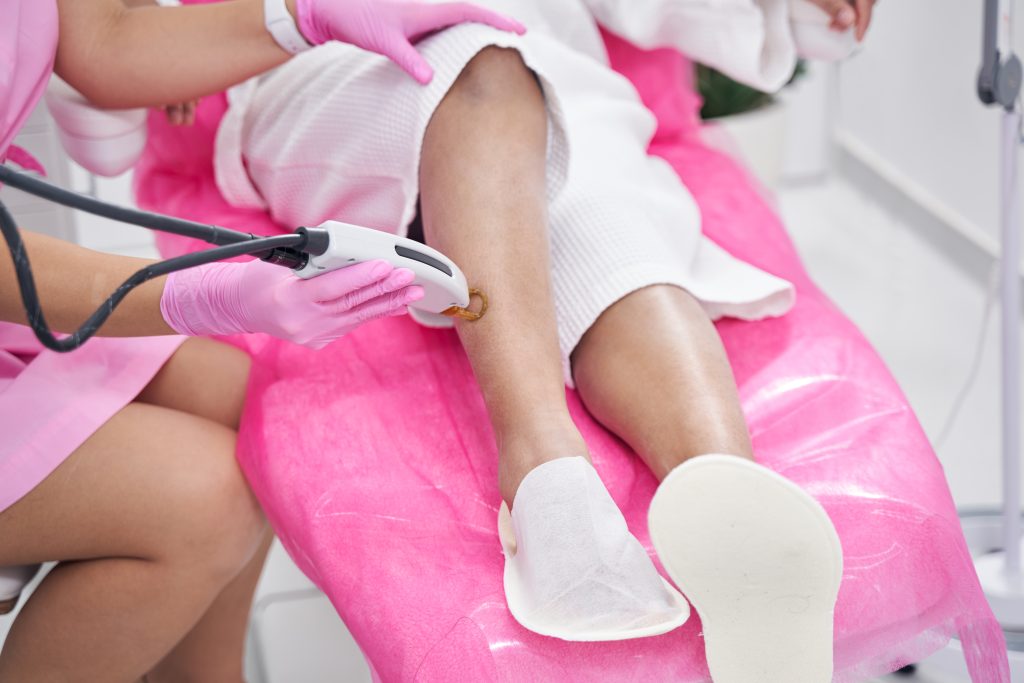
For a patient without a hormonal condition, laser hair removal achieves lasting results within a standard course of treatment. For a patient with PCOS, the conversation shifts — laser therapy should be framed as management rather than a permanent cure.
Because PCOS continuously drives androgen production, treated follicles can be reactivated as new androgens arrive in the bloodstream. Dormant follicles not captured in earlier sessions may also become active over time. This is why PCOS patients may require more laser treatment sessions and periodic maintenance treatments compared to patients without an underlying hormonal condition. The laser addresses the visible unwanted hair; it cannot change the hormonal environment producing it.
A specific risk for hormonally active patients is paradoxical hypertrichosis — a response in which laser treatment stimulates new hair growth rather than reducing it. This is more likely at lower laser energies in patients with active hormonal conditions. It is rare but documented, and every patient with PCOS should be informed about it before treatment begins.
Combining laser treatments with hormonal management — such as medication prescribed by your endocrinologist or family doctor — consistently improves long-term outcomes. Patients who address the hormonal driver while managing visible excess hair tend to see better results from laser treatment and require fewer maintenance treatments over time.
What to Expect During and After Laser Treatment
Confirm with your provider when booking whether a topical numbing option is available to reduce discomfort before your session. The sensation during the procedure is often compared to a rubber band snapping against the skin. A cooling device is used during treatment to protect the surrounding skin and manage heat.
Common side effects after laser hair removal include temporary redness and swelling in the treated area, typically resolving within a few hours. Treated skin is more photosensitive during the course of treatment. Avoid sun exposure in the treatment area for the period your provider specifies both before and after each session, and avoid tanning beds throughout. Sun protection is a standard part of aftercare, not an optional step. Ice packs can help reduce discomfort in the hours following a session.
Patients with darker skin should discuss laser technology selection before booking. The wrong settings on darker skin can cause skin irritation or pigmentation changes. Protective eyewear is worn by both the patient and practitioner during the procedure to prevent eye injury.
Laser Hair Removal for PCOS: Insurance Coverage and OHIP
OHIP does not cover laser hair removal performed at private clinics in Ontario, even with a confirmed PCOS diagnosis. Laser hair removal is classified as a cosmetic procedure under OHIP, and that classification does not change based on the medical cause of the hair growth.
Private extended health insurance plans or Health Spending Accounts may offer reimbursement when treatment is documented as medically necessary for PCOS-related hirsutism. Insurance coverage depends entirely on individual policy terms. Not all plans include this benefit, and those that do typically require a formal medical diagnosis documented by a physician. A physician’s recommendation for laser treatment does not guarantee insurance coverage, but it is usually a required part of the application.
The most practical step before starting treatment is requesting pre-authorization from your insurance provider. Bring documentation: a formal PCOS diagnosis, relevant blood test results, a written recommendation from your healthcare provider, and a record of other hair removal methods you have already tried. Insurance decisions on this type of claim are made case by case. Treating approval as an exception rather than a standard benefit avoids financial surprise and prevents starting a course of treatment under incorrect assumptions about reimbursement.
Can Laser Hair Removal for PCOS Be Claimed as a Medical Expense in Canada?
Patients with a documented PCOS diagnosis may be able to claim laser hair removal costs under the federal Medical Expense Tax Credit (METC). The CRA’s position is that procedures performed primarily for cosmetic purposes are not eligible, but procedures that are medically necessary — supported by documentation from a licensed medical practitioner — may qualify [CONFIRM ¶1.145 REF].
To support a METC claim:
- Obtain a written recommendation from your physician or specialist confirming the medical necessity of the treatment for your PCOS-related hirsutism
- Keep all receipts from your laser hair removal provider
- Confirm current eligibility criteria and documentation requirements directly with CRA or a qualified tax professional before filing
Tax rules and CRA administrative positions change. This section is for general informational purposes only and does not constitute tax advice. Consult a tax professional before claiming laser hair removal as a medical expense.

Cost of Laser Hair Removal for PCOS at Beauty Aesthetics
[Confirm on Free Consulation]
0% financing is available through Affirm for patients who prefer to spread the cost of a full treatment course.
Frequently Asked Questions
Does OHIP Cover Laser Hair Removal for PCOS?
No. OHIP does not cover laser hair removal at private clinics in Ontario, even with a documented PCOS diagnosis. Laser hair removal is classified as a cosmetic procedure under OHIP, and that classification applies regardless of whether the hair growth has a confirmed medical cause.
Can Insurance Coverage Apply to Laser Hair Removal for PCOS?
Some private insurance plans or Health Spending Accounts may cover laser hair removal for PCOS-related hirsutism when treatment is documented as medically necessary. Insurance coverage depends on individual policy terms. Request pre-authorization before beginning treatment, and have your healthcare provider prepare documentation of your diagnosis and the medical rationale for treatment.
How Many Laser Hair Removal Treatments Do PCOS Patients Need?
Most patients without a hormonal condition need 6 to 8 laser hair removal sessions for meaningful reduction. Patients with PCOS typically need more sessions and ongoing maintenance treatments because elevated androgen levels can reactivate treated follicles and stimulate new hair growth over time.
What Hair Removal Methods Work for Excessive Hair Growth From PCOS?
Laser hair removal is one of the more effective long-term hair removal methods for PCOS-related hirsutism because it targets the hair follicles rather than the hair shaft. Shaving, waxing, and electrolysis are alternatives. Electrolysis can permanently destroy hair follicles on an individual basis, but it is time-intensive for larger areas. Laser hair removal delivers meaningful reduction across broader areas in fewer sessions.
Is Laser Hair Removal Permanent for PCOS Patients?
For patients with PCOS, laser hair removal delivers significant long-term hair reduction rather than permanent removal. Because hormonal activity continues to stimulate new follicles, maintenance treatments are typically needed over time. Managing the hormonal condition alongside laser treatment improves outcomes and extends the period between maintenance sessions.
What Laser Treatment Is Best for PCOS-Related Hair Growth?
The right laser depends on your skin tone and hair colour. Alexandrite and Diode lasers work well for lighter skin tones with dark hair. Nd:YAG is typically recommended for darker skin types. At your consultation, your provider will assess your Fitzpatrick skin type and hair characteristics to determine the appropriate technology and settings for safe, effective treatment.
Book a Laser Hair Removal Consultation at Beauty Aesthetics Vaughan
Beauty Aesthetics in Vaughan offers laser hair removal for patients managing PCOS-related unwanted hair growth. A full consultation reviews your medical history, skin type, hair characteristics, and specific treatment goals before any procedure is confirmed. 0% financing is available through Affirm.
Phone: 647-260-9607 · Book online: beautyaesthetics.ca