Exosomes and PRP both deliver growth factors to thinning areas of the scalp, but they come from different sources and sit at very different stages of research. One has years of clinical use behind it. The other is still largely investigational. Here’s what that distinction means if you’re choosing between them. This blog compares platelet rich plasma (PRP) and exosome therapy as treatments for hair loss, explaining how each works and why PRP currently has stronger clinical evidence and regulatory footing in Canada.
The Direct Answer: PRP vs Exosomes for Hair Loss
For most patients, platelet rich plasma remains the better-supported option for hair loss, since PRP therapy has a longer clinical track record and more published research on hair growth outcomes specifically. Exosome-based therapies carry concentrated signaling molecules with real biological promise, but they’re largely in preclinical studies or early clinical trials for hair restoration. PRP treatment uses your own blood, so Health Canada does not need to approve it as a drug — it’s autologous biological material, not a manufactured product. Exosome therapy typically involves lab-processed or donor-derived material, placing it in a far less standardized category in Canada right now.
What Is PRP Therapy?
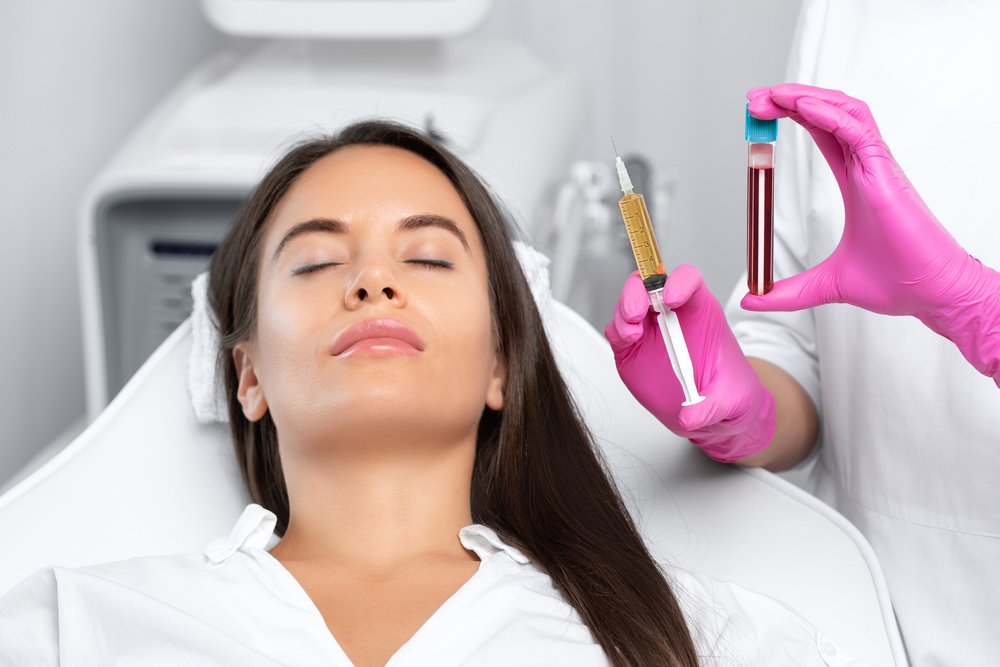
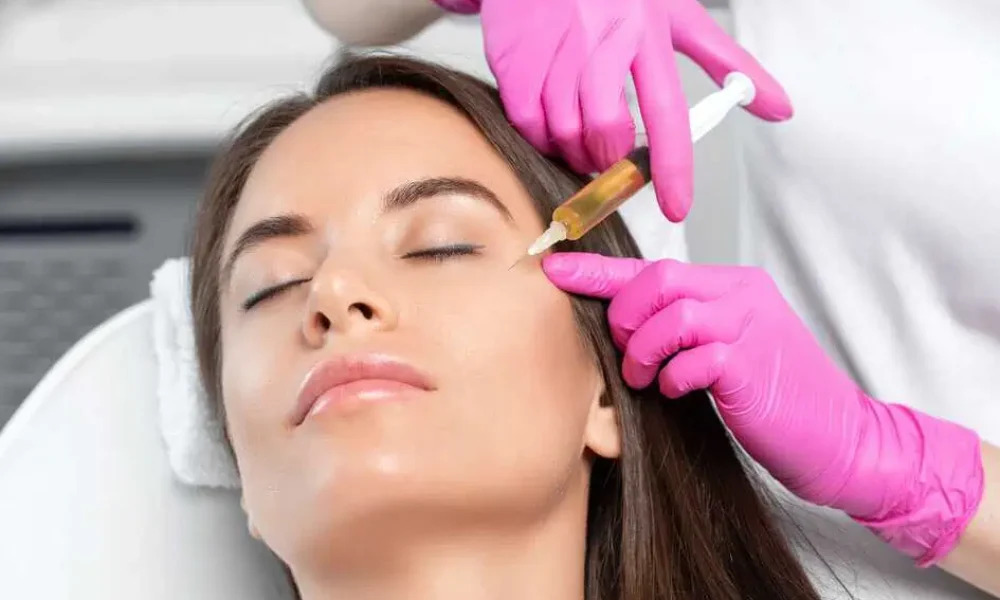
Platelet rich plasma comes from a small blood sample taken from your own arm, spun in a centrifuge for under 15 minutes. This process results in increased concentration of platelets — up to 500% higher than normal blood — packed with growth factors that trigger the body’s own healing process once injected. Because PRP shots use your own blood cells, there’s minimal risk of allergic reaction.
How PRP Works for Hair Loss
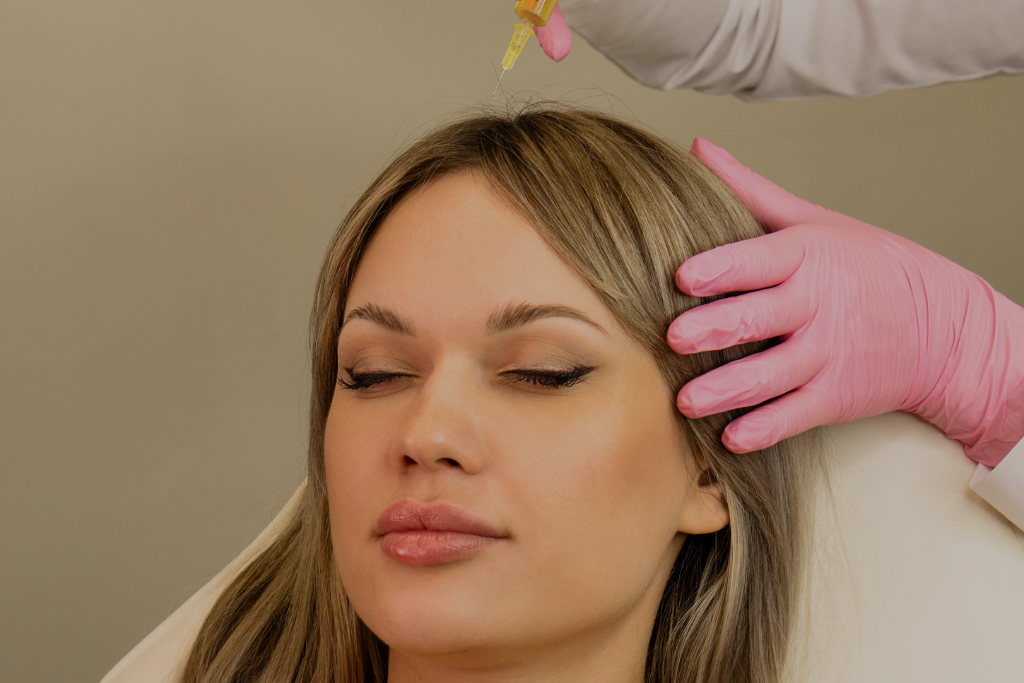
PRP therapy can promote hair growth in male pattern baldness by delivering growth factors to miniaturizing follicles, encouraging renewed activity and supporting cell growth around the root. Most patients need three initial sessions spaced four to six weeks apart, followed by maintenance every six to twelve months. Results build gradually and don’t alter the underlying genetics behind hair loss.
What Are Exosomes?
Exosomes are membrane-bound vesicles released by nearly all cell types, ranging from 20 to 150 nanometers, that carry proteins, lipids, and genetic material between skin cells and other tissues. This intercellular cargo can influence recipient cell behaviour once delivered. In hair restoration, exosomes derived from stem cells are being explored for their healing properties and potential to support tissue repair at the follicle level — though the evidence specific to hair regrowth remains thinner than what supports PRP.
Key Differences: Source, Evidence, and Standardization
The biggest difference is source. PRP uses your own blood, processed and reinjected same-day. Exosome products are typically derived from donor stem cells or lab-cultured sources, then processed into a serum. That distinction matters for oversight: PRP is autologous, so it stays largely outside formal drug regulation, while exosome products face real challenges in standardization and ensuring consistent safety and effectiveness across manufacturers — something PRP doesn’t encounter, since every sample is unique to the patient.
PRP has been studied for musculoskeletal and hair applications for well over a decade. Exosomes are currently being researched for diagnostics and therapeutics well beyond hair loss, including neurological conditions, since they can cross the blood-brain barrier. That breadth is promising, but most exosome evidence still comes from other fields of medicine rather than hair restoration specifically.
Sessions and Cost
Most patients require three PRP sessions in an initial treatment regimen before assessing results around six to twelve months. Exosome protocols vary more between providers, since there’s no single standardized regimen yet. Exosome treatments also tend to cost more than PRP therapy, since the product is manufactured and sourced externally rather than drawn from the patient’s own blood. Ask any clinic exactly what’s included — session count, product source, and whether pricing is per visit or a full course.
Recovery and Side Effects
Both treatments are minimally invasive with little downtime. PRP injections commonly cause mild redness, tenderness, and occasional swelling at the injection site, which typically resolves within a day or two. Exosome injections carry a similar short-term profile, though because the product originates outside the body, the long-term risk data is less established.
What Most People Get Wrong
Most people assume “newer” automatically means “better,” and exosomes get marketed as an advanced upgrade to PRP. In reality, the marketing is often ahead of the evidence for hair-specific outcomes. The other misconception is treating PRP as outdated simply because it’s been around longer — with consistent use and refinement, PRP has produced more predictable, better-documented results, which is why most reputable clinics still lead with PRP therapy over exosomes for hair.
Is PRP or Exosome Therapy Right for You?
PRP is the more established starting point for early to moderate androgenetic alopecia or a thinning hairline, backed by a longer Canadian clinical history and more predictable pricing. Exosome therapy may appeal to patients who’ve already tried PRP without the response they hoped for, or who are drawn to newer regenerative approaches and understand the evidence base is still developing. Either option should follow a proper in-person assessment rather than a decision made from marketing alone. For very sensitive skin that cannot tolerate retinol, growth factors may be more suitable, especially if you’re looking for something less likely to irritate.
Beyond Hair: Other Uses for PRP and Exosomes
PRP is gaining popularity well beyond hair restoration. It’s used to treat a torn tendon, chronic tendon injuries like tennis elbow, and muscle injuries or knee sprains, where growth factors support tissue repair in the injured area and can reduce inflammation without surgery. Many orthopedic patients turn to PRP shots for temporary pain relief and to reduce pain and improve healing where cortisone injections have stopped working. Estheticians also use PRP and exosomes on the face: growth factors support collagen production and cell renewal, which can improve skin texture, address uneven texture, and support the skin barrier as part of the natural aging process.
Skin-focused PRP works by triggering the same growth-factor cascade used for hair, but targeted at aging skin instead. Combined with hyaluronic acid, it’s often used to encourage skin renewal, firmer skin, and a more even skin tone, giving the face a younger looking skin appearance without addressing the deeper signs of aging that only cosmetic surgery can change. Because results depend on the body’s own skin regeneration process, outcomes vary and typically require a full series rather than one visit — much like hair restoration.
Frequently Asked Questions
What’s the difference between PRP treatment and exosomes for hair loss?
PRP comes from your own blood and has years of clinical research behind it for hair loss. Exosomes are lab-processed vesicles, often from donor stem cells, carrying growth factors — but exosome-based therapies remain largely preclinical or in early trials for hair restoration specifically, meaning less established evidence overall.
Can PRP therapy actually regrow hair?
PRP therapy can promote hair growth in male pattern baldness and female pattern hair loss by stimulating existing follicles, working best on active follicles and early-to-moderate thinning rather than completely bald areas. Most patients need three initial sessions before meaningful density improvement appears.
Are growth factor serums the same as PRP injections?
Not exactly. Growth factor serums are often topical or lab-derived, while platelet rich plasma injections use concentrated platelets drawn directly from your own blood sample and injected into the scalp or skin, typically delivering a more concentrated, biologically matched dose than a topical serum.
Is exosome therapy approved in Canada for hair loss?
Exosome-based products aren’t a standardized, widely regulated treatment category in Canada the way autologous PRP is, since they often involve externally sourced or lab-processed material. Ask your provider directly about the product’s source and regulatory status before proceeding.
A Grounded Next Step
Choosing between PRP and exosomes really comes down to how much evidence you want behind a treatment — a conversation worth having in person rather than deciding from a blog post. Beauty Aesthetics offers a free consultation to assess your hair loss pattern, walk through platelet rich plasma PRP as a starting point, and explain what’s realistic for your scalp, with Affirm financing available for a full treatment plan.