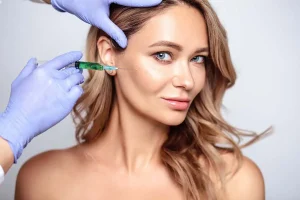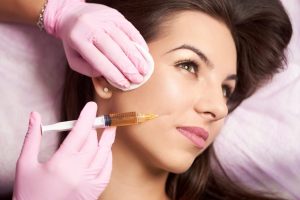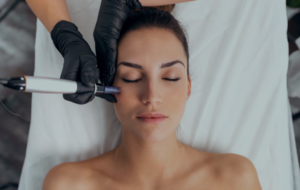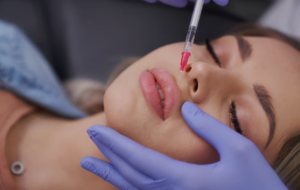

Microneedling is good for acne scars, fine lines and wrinkles, enlarged pores, uneven skin texture, and hyperpigmentation. It works by triggering the body’s natural healing response through controlled micro-injuries, stimulating collagen and elastin production over a course of sessions. This page covers what microneedling treats, how long results take, who it suits, and who should not have it — written for adults in Vaughan and the GTA weighing it against other skin rejuvenation options.
Key Takeaways
- Microneedling creates controlled micro-injuries that trigger collagen and elastin production
- Initial surface glow appears within 1 to 2 weeks; structural improvements to acne scars and fine lines develop over 4 to 12 weeks
- Suitable for most skin types; safer for darker skin tones than laser because it does not target melanin or generate surface heat
- Adding PRP can significantly improve outcomes for deep, fibrotic acne scars
- Not suitable for patients with keloid scarring history, active skin infections, or recent Accutane use
- Multiple sessions are typically needed — your practitioner will advise on the right number
What Microneedling Treats
The two concerns that bring most patients in are acne scars and fine lines. These are also where microneedling performs most consistently.
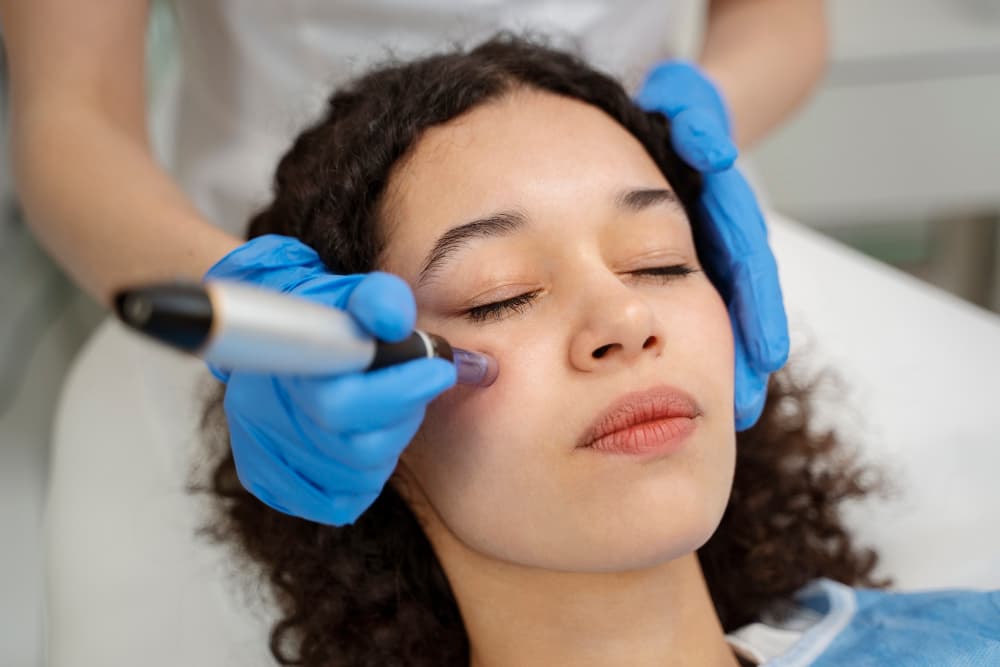
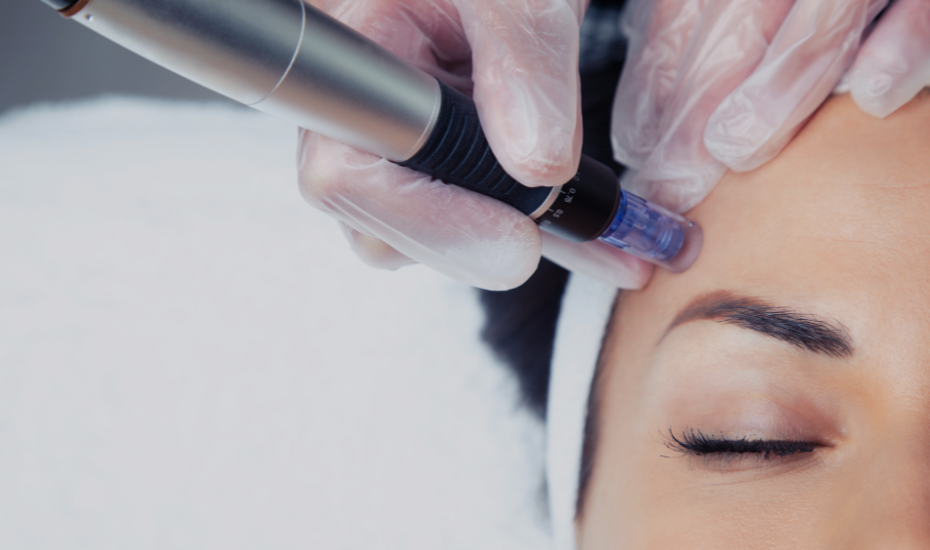
Microneedling uses fine, sterile needles to create tiny punctures in the skin’s deeper layers. Those controlled micro-injuries trigger the body’s natural healing response — collagen and elastin production — which remodels the treated area over time, improving texture, firmness, and skin health.
Acne Scars
Microneedling is one of the most effective non-surgical options for acne scars. The needle action breaks up fibrous scar tissue beneath the surface, and new collagen fills those areas during healing. For pitted boxcar and rolling scars, the structural remodeling over a course of sessions can improve skin texture significantly — particularly where chemical peels have had limited results.
Fine Lines and Wrinkles
Stimulating collagen and elastin in the skin’s deeper layers gradually softens fine lines and improves skin laxity. The neck and areas around the eyes and mouth all respond well. RF microneedling, which adds radiofrequency heat for deeper remodeling, may be recommended for more pronounced laxity.
Large Pores and Skin Texture
Enlarged pores appear smaller as collagen production tightens the surrounding skin. Rough patches, mild scarring, and uneven complexion all respond to collagen induction therapy. Microneedling also improves absorption of skincare products by opening micro-channels that allow active ingredients to reach deeper layers.
Hyperpigmentation
Microneedling helps fade hyperpigmentation by accelerating cell turnover and encouraging more even melanin distribution — a practical option for post-inflammatory hyperpigmentation from acne and sun-related uneven tone.
When Microneedling and PRP Work Better Together
When microneedling is paired with platelet-rich plasma (PRP), the outcome can be noticeably better than either treatment achieves separately — particularly for patients who have seen minimal improvement from chemical peels.
PRP is prepared from a small sample of the patient’s own blood, concentrated to extract growth factors. Applied during a microneedling session, those growth factors accelerate healing alongside the collagen remodeling process. For patients with severe, fibrotic boxcar or rolling scars, the combination can produce significantly smoother results than microneedling alone.
How Long Does Microneedling Take to Work?
Results are not immediate — this is collagen induction therapy, not a surface treatment. Most patients notice an initial glow within 1 to 2 weeks. Structural changes, including fading acne scars and smoother texture, develop over 4 to 12 weeks. Full effects can take up to six months across a course of sessions.
Post-treatment skin resembles a mild sunburn — redness and mild swelling typically resolve within 24 to 72 hours. Avoid sun exposure and strenuous exercise for the first 24 to 48 hours.
Microneedling vs Laser for Darker Skin Tones
For patients with Fitzpatrick skin types IV to VI, microneedling is a safer first-line option than many laser treatments for acne scars and hyperpigmentation. Laser treatments that target melanin or use heat energy carry a meaningful risk of post-inflammatory hyperpigmentation on deeper complexions. Microneedling’s mechanical action avoids both, significantly lowering that risk.
Patients with sensitive skin should discuss their history at a free consultation before booking.
Who Is Not a Good Candidate
Microneedling suits most skin types, but there are clear disqualifiers.
Patients who cannot have microneedling:
- History of keloid or hypertrophic scarring — wound healing can trigger new keloid formation
- Known allergy to nickel or stainless steel
- Bleeding disorders or anticoagulant therapy (Warfarin, high-dose aspirin)
- Active cancer treatment or uncontrolled autoimmune conditions affecting the skin
Patients who need to delay:
- Active inflammatory acne, cold sore outbreak, or skin infection at the treatment site
- Active flare of eczema, psoriasis, or severe rosacea
- Recent isotretinoin (Accutane) use — a minimum 6-month wait is required
- Pregnancy or breastfeeding
Frequently Asked Questions
Is microneedling good for acne scars?
Yes. Microneedling is one of the most effective non-surgical treatments for acne scars. The controlled micro-injuries break up fibrous scar tissue and stimulate new collagen to fill treated areas. Results build across sessions. Adding PRP can improve outcomes for deeper, fibrotic scarring.
How does microneedling help with fine lines and wrinkles?
Microneedling stimulates collagen and elastin production in the skin’s deeper layers, gradually softening fine lines and improving skin laxity over a course of treatments. Most patients need multiple sessions rather than a single appointment.
Is microneedling good for large pores?
Yes. Collagen production tightens skin around enlarged pores, reducing their appearance. Overall skin texture generally improves alongside pore size as part of the same remodeling process.
Is microneedling suitable for all skin types?
Microneedling suits most skin types and tones. It is safer than laser for darker skin tones because it does not target melanin or generate surface heat. Patients with very sensitive skin or active skin conditions should speak with a practitioner before booking.
What skincare products can I use after microneedling?
Avoid retinoids, active acids, and physical exfoliants for the first few days. The micro-channels created temporarily increase skin sensitivity, so use only gentle products during recovery. Your practitioner will advise on a post-treatment skincare routine at your consultation.
Book a Free Microneedling Consultation at Beauty Aesthetics
Beauty Aesthetics in Vaughan offers a free consultation to assess your concerns and confirm whether microneedling is right for you. All treatments are performed by registered nurses. 0% financing available through Affirm.
Phone: 647-260-9607 · Book online: beautyaesthetics.ca
Serving Vaughan, Toronto, North York, Scarborough, Richmond Hill, Markham, Mississauga, Brampton, and Etobicoke.