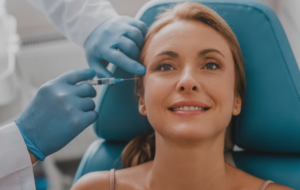
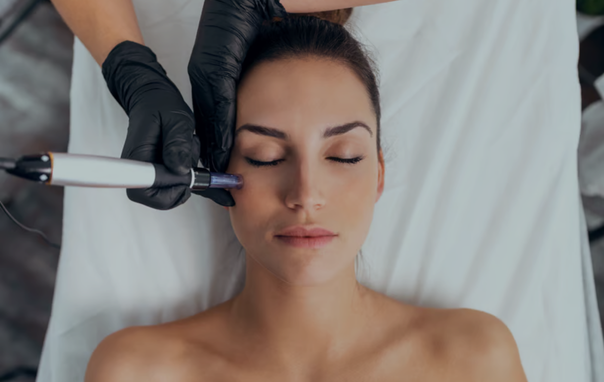
Microneedling is a safe cosmetic procedure when performed by a qualified practitioner using a Health Canada-licensed device, the correct needle depth, and the right technique for your skin type. In Ontario, safety depends on three factors: the depth of the needles, the credentials of the person performing the treatment, and whether the device meets federal licensing requirements. This guide explains the Ontario regulatory framework, what safe microneedling looks like in practice, and what to check before booking in Vaughan — whether you are exploring the procedure for the first time or a previous experience left you with questions.
Key Takeaways
- In Ontario, medical-depth microneedling involves a controlled act under the Regulated Health Professions Act (RHPA) and must be performed by a regulated health professional
- Health Canada-licensed devices are required for professional clinical use; grey-market or unauthorized devices violate federal safety regulations and sterility standards
- Darker skin tones carry a higher risk of post-inflammatory hyperpigmentation when aggressive needle depths are used — a treatment plan should reflect your Fitzpatrick skin type
- Active acne, active skin conditions, pregnancy, and a weakened immune system require medical clearance before any microneedling treatment is confirmed
- A numbing cream is applied 30 to 45 minutes before treatment; microneedling sessions typically last 30 to 60 minutes
- Most patients need 3 to 5 sessions for optimal results, spaced several weeks apart
What Makes Microneedling Safe — or Unsafe
Microneedling is collagen induction therapy: a minimally invasive procedure that uses thin needles to create controlled micro-injuries in the skin’s surface. These tiny channels trigger the skin’s natural healing process, stimulating collagen production and elastin synthesis and gradually improving skin texture, fine lines, acne scars, uneven skin tone, and stretch marks. When done correctly, the temporary side effects are predictable — minor redness and mild swelling resembling a mild sunburn, settling within a few hours to a few days.
What makes microneedling unsafe is not the procedure itself, but the conditions under which it is performed. Improper technique, the wrong needle depth, treating over active skin conditions, or using a device that is not sterile and single-use can lead to infection, permanent scarring, or prolonged post-inflammatory hyperpigmentation. Microneedling is safe in experienced hands. In undertrained or unsupervised ones, the risks are real and irreversible.
Ontario’s Rules for Microneedling in Vaughan
Superficial Cosmetic Depth vs. Medical Depth: Who Can Do What
In Ontario, the legal right to perform microneedling is not determined by a single licence. It depends on the depth of the needles and the regulatory framework governing where the treatment is offered.
Salons and personal service settings that offer skin needling are governed by Ontario Regulation 136/18 (Personal Service Settings), which sets requirements for infection prevention, device sterilization, and operator training. This regulation covers establishments such as spas and esthetics studios. Clinics operating primarily under regulated health professionals — a physician, nurse practitioner, or registered nurse — are exempt from O. Reg. 136/18 because they operate under the separate oversight framework of their respective regulatory colleges.
The RHPA adds a further layer: performing a procedure below the dermis is a controlled act, meaning it must be carried out by a regulated health professional. Medical-depth microneedling that reaches sub-dermal tissue, radiofrequency microneedling, and platelet rich plasma treatments fall into this category. The College of Nurses of Ontario requires nurses performing aesthetic services to have an authorizing mechanism in place before performing these procedures.
The practical implication for patients in Vaughan is significant: a treatment offered at a salon using the same depths as a medical clinic is not the same procedure. The clinical oversight, accountability, and medical assessment that accompany a supervised treatment are absent, and there is no regulated body to hold a salon provider responsible if something goes wrong.
Device Compliance Under Health Canada
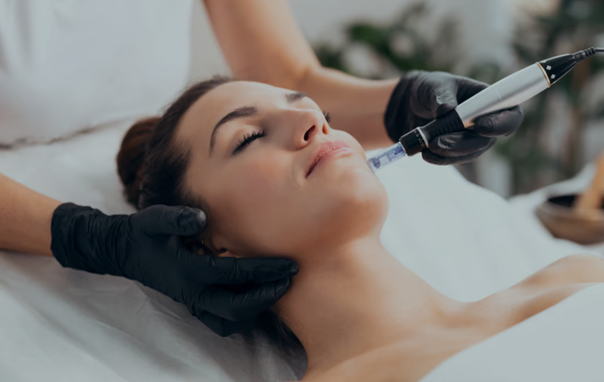
Regardless of who performs the microneedling treatment, the device must be Health Canada-licensed for professional clinical use. Using a grey-market or unauthorized microneedling pen violates federal safety regulations and removes any assurance of sterility or device calibration. Microneedling devices must use sterile, single-use needle cartridges to reduce infection risks. Reusing cartridges or using unapproved devices is a patient safety issue, not just a regulatory technicality.
Is Microneedling Safe for Darker Skin Tones?
Microneedling is generally safe for all skin tones, including people with darker skin, when the treatment is properly calibrated. The concern is not the procedure itself — it is the inflammatory response aggressive settings can trigger. Melanocytes, the cells responsible for skin pigmentation, are more reactive in higher Fitzpatrick skin types. Aggressive needle depths or treating over active inflammation can overstimulate melanin production, leading to post-inflammatory hyperpigmentation: dark spots that can persist for weeks or months.
For Fitzpatrick skin types IV through VI, conservative needle depths, thorough skin preparation, and a staged approach matter significantly more than for lighter skin tones. Pre-treatment conditioning with topical agents that downregulate melanin production — such as niacinamide, tranexamic acid, or tyrosinase inhibitors — is often part of a responsible treatment plan for higher Fitzpatrick skin types.
Microneedling can reduce acne scars and improve uneven skin tone in darker skin. Getting that outcome safely requires a practitioner with direct experience treating your skin type, not just general training.
What Microneedling Can Treat: Setting Realistic Expectations
Microneedling addresses several distinct skin concerns, and the depth, session frequency, and preparation protocol differ depending on which concern is being treated.
Atrophic Acne Scars
Atrophic scars — rolling, boxcar, and icepick scars left by inflammatory acne — are one of the most common reasons patients seek microneedling. The procedure creates controlled micro-injuries that stimulate the collagen remodelling process in the dermis, gradually raising and softening depressed scar tissue. Rolling and boxcar scars respond well across a series of sessions. Icepick scars are narrower and deeper and typically require more sessions, or a combination approach with other treatments, to see meaningful improvement.
Fine Lines, Skin Texture, and Pore Size
Collagen and elastin loss from natural ageing shows up as fine lines, rough texture, and enlarged-looking pores. Microneedling’s collagen induction effect addresses all three by triggering new tissue formation in the dermis. Results in texture and fine lines tend to appear sooner than results in deeper scars, often within the first two to three sessions. Pore size can improve as the surrounding skin becomes firmer and better-supported.
Uneven Skin Tone and Post-Inflammatory Hyperpigmentation
Microneedling can support improvement in post-inflammatory hyperpigmentation — the flat discolouration left after acne or injury — when the treatment protocol accounts for skin tone, uses conservative depths, and is paired with appropriate topical support before and after sessions. In higher Fitzpatrick skin types, the protocol requires particular care, as explained above. Active melanin production or current inflammation makes a patient a poor candidate for treatment until those conditions resolve.
Stretch Marks
Stretch marks, or striae, are a form of dermal scarring that develops when the skin is stretched rapidly, as in pregnancy, growth spurts, or significant weight change. Microneedling can stimulate collagen and elastin in the affected area and reduce the appearance of stretch marks over a course of treatments. Newer, more pigmented stretch marks tend to respond better than older, fully matured ones. Results build gradually and require patience across multiple sessions.
Who Should Avoid Microneedling
Certain skin conditions and medical circumstances require careful consideration before proceeding, and some require medical clearance before any treatment is confirmed.
Individuals who should avoid microneedling include those with:
- Active inflammatory acne, open wounds, or active skin infections in the treatment area
- Active eczema, psoriasis, or rosacea at the treatment site
- A history of keloid scarring — microneedling can stimulate excessive scar tissue formation
- A weakened immune system, as the skin’s healing process may be compromised
- Current use of isotretinoin — most practitioners recommend waiting at least six months after discontinuing the medication
- Pregnancy, which requires careful consideration and medical clearance before microneedling is appropriate
This list is not exhaustive. A thorough medical history review at the consultation stage is how a qualified practitioner determines whether you are a safe candidate — not a self-assessment.
What to Look for When Choosing a Clinic in Vaughan
When choosing where to get microneedling in Vaughan, the core decision is about verifying infection control, device licensing, and medical accountability. Because Ontario does not regulate the title of esthetician, anyone can legally purchase a low-cost device and offer treatments. That makes patient due diligence important.
Look for:
- A regulated health professional performing or directly overseeing the microneedling procedure — a registered nurse, nurse practitioner, or physician
- Confirmation that the microneedling device is Health Canada-licensed for professional clinical use
- Sterile, single-use needle cartridges opened in front of you at the appointment
- A clinical consultation before any treatment is booked, including a review of medical history, skin type, and current skin conditions
- A treatment plan with needle depth recommendations tailored to your Fitzpatrick skin type and specific skin concerns
Walk away if:
- The provider cannot confirm the device’s Health Canada licensing status
- No consultation or medical history review is offered before treatment proceeds
- The provider agrees to treat over active acne, open wounds, or irritated skin without any protocol adjustment
- Needle cartridges are not opened fresh in front of you at the start of the session
- The clinic cannot explain what protocols exist if a complication occurs after the appointment
What Microneedling Does to Your Skin
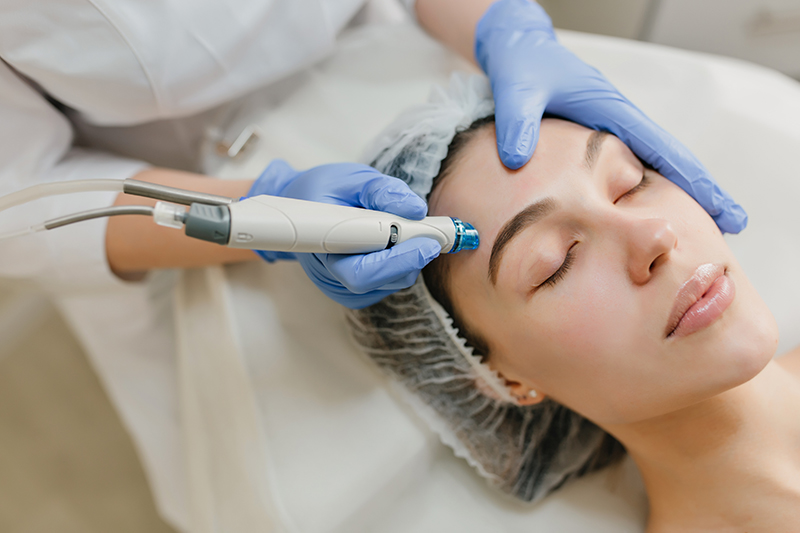
Microneedling creates controlled micro-injuries using thin needles ranging from 0.5mm to 2mm, depending on the treatment area and concern. These micro-channels trigger the skin’s healing process, stimulating collagen and elastin production in the dermis. The result is gradual improvement in skin texture, reduction in fine lines and wrinkles, softening of atrophic acne scars and surgical scars, and improved skin elasticity as collagen induction takes effect over multiple sessions.
Microneedling also enhances transdermal delivery of topical agents. When hyaluronic acid or targeted serums are applied during or after treatment, micro-channels allow deeper absorption than surface application achieves. Radiofrequency microneedling adds thermal energy to the standard collagen induction process, targeting deeper tissue layers for more pronounced skin rejuvenation.
Results are not immediate. Most patients see initial improvement in skin texture and fine lines within a few weeks. More significant changes in acne scars and uneven skin tone require multiple treatments — typically three to five sessions — spaced four to six weeks apart.
What to Expect During and After Your Microneedling Treatment
A topical anesthetic — numbing cream — is applied 30 to 45 minutes before treatment begins. The treatment itself typically lasts 30 to 60 minutes depending on the treatment area. Most patients describe the sensation as mild pressure or warmth rather than sharp discomfort.
Following the procedure, the skin will be red and mildly swollen — resembling a moderate sunburn. Erythema typically lasts from a few hours to a few days. Mild edema generally subsides within a few days. Most people can resume normal activities the same day and apply makeup the following day. Direct sun exposure should be avoided until the skin heals, and harsh topical products should be avoided for at least one week. See the full microneedling recovery and aftercare guide for a day-by-day breakdown. An ice pack can help reduce initial irritation.
Transient hyperpigmentation can occur in some patients, particularly those with darker skin, and typically resolves within a few weeks when sun protection is used consistently throughout recovery.
Frequently Asked Questions
Is Microneedling Safe?
Microneedling is generally considered a safe procedure when performed by a qualified practitioner using a Health Canada-licensed device. Temporary side effects such as redness and swelling are expected and settle within a few days. Risks increase significantly when the microneedling procedure is performed by an unqualified provider, with an unauthorized device, or without screening for contraindications first.
Is Microneedling Safe for Darker Skin Tones?
Microneedling is safe for darker skin tones when the treatment protocol accounts for your Fitzpatrick skin type. Conservative needle depths, pre-treatment preparation with melanin-inhibiting topicals, and avoiding active inflammation are the key factors. People with darker skin have a higher risk of post-inflammatory hyperpigmentation when aggressive settings are used, which is why a practitioner’s direct experience with diverse skin tones matters as much as their formal qualifications.
What Is Collagen Induction Therapy?
Collagen induction therapy is the clinical term for microneedling. The procedure creates controlled micro-injuries in the skin that trigger the skin’s healing process, stimulating new collagen and elastin production. This collagen induction gradually improves skin texture, reduces fine lines and wrinkles, and softens atrophic acne scars and surgical scars over a course of multiple treatments.
Who Should Avoid Microneedling?
Individuals with active acne, active skin infections, eczema, psoriasis, or rosacea in the treatment area, a history of keloid scarring, or a weakened immune system should avoid microneedling or seek medical clearance before proceeding. Pregnancy and certain medical conditions require careful consideration before treatment is confirmed. A clinical consultation is the appropriate way to confirm candidacy.
How Many Microneedling Sessions Are Needed for Optimal Results?
Most patients require 3 to 5 microneedling sessions for optimal results, spaced four to six weeks apart. Treating acne scars typically requires more sessions than addressing fine lines. Results may improve significantly after six sessions for more complex skin concerns such as deep post acne scarring or persistent uneven skin tone. The number of sessions is confirmed at the initial consultation — see how many microneedling sessions are needed for acne scars for more detail.
What Microneedling Devices Should a Safe Clinic Use?
Safe clinics in Ontario use Health Canada-licensed automated microneedling pens with sterile, single-use needle cartridges. Derma rollers and handheld devices purchased from unauthorized suppliers are not held to the same sterility and calibration standards as professional clinical devices. If a clinic cannot confirm that the devices used in your treatment are Health Canada-licensed, that is reason to seek treatment elsewhere.
Book a Microneedling Consultation at Beauty Aesthetics Vaughan
Beauty Aesthetics in Vaughan offers microneedling consultations with Mubeyra Sarkar, RN. A full consultation reviews your skin type, Fitzpatrick classification, medical history, and treatment goals before any procedure is confirmed. 0% financing is available through Affirm.
Phone: 647-260-9607 · Book online: https://beautyaesthetics.ca
Serving Vaughan, Toronto, North York, Scarborough, Richmond Hill, Markham, Mississauga, and Brampton.