
Key Takeaways
- Dysport is derived from abobotulinumtoxinA, a purified botulinum toxin type A
- Initial results appear within 2 to 4 days; full results are assessed at 10 to 14 days
- Dysport treatments typically last 3 to 4 months
- Dysport units are not interchangeable with Botox units and require different dosing
- Health Canada-approved for moderate to severe glabellar lines; also used off-label for forehead lines and crow’s feet
- Not suitable for patients with cow’s milk protein allergy or active neuromuscular disorders
- Dysport pricing at Beauty Aesthetics is confirmed at your free consultation; cost depends on the number of units and treatment areas required
What Is Dysport?
If you are considering Dysport in Vaughan, you probably want to know what it actually does, how it differs from Botox, and whether it is the right option for your specific concerns. This guide covers all of that — from how Dysport works at the neuromuscular level to what results look like and how long they last.
Dysport is an injectable prescription medicine made from abobotulinumtoxinA — a purified botulinum toxin type A. It is Health Canada-approved for reducing the appearance of moderate to severe glabellar lines: the vertical lines between the eyebrows that form with repeated frowning and squinting. It is also Health Canada-approved for cervical dystonia and certain spasticity conditions.
For patients seeking non-surgical facial rejuvenation in Vaughan, Dysport is specifically formulated to temporarily reduce muscle activity in targeted muscles so that the overlying skin appears smoother. It is one of several botulinum toxin products available in Canada, and it is particularly well-suited to treating dynamic wrinkles — the expression lines caused by repeated facial muscle movement rather than volume loss or skin laxity.
The goal of a Dysport treatment is not to eliminate all facial movement. Patients and practitioners aim for natural-looking results — frown lines that are less noticeable during normal expressions, without the frozen or overdone look that concerns many first-time patients. Most patients describe the outcome as looking refreshed rather than obviously treated, which is the standard any experienced injector works toward.
Dysport is used to temporarily improve facial lines and does not permanently alter skin structure. Results are reversible — effects wear off as the body regenerates normal nerve signalling to the treated muscles — which is part of what makes it an appealing option for those new to injectable treatments.
How Does Dysport Work?
Dysport blocks acetylcholine release at the neuromuscular junction. Acetylcholine is the chemical messenger that tells a muscle to contract. When Dysport temporarily blocks that signal in the targeted muscles, those muscles cannot contract with their usual force, and the overlying skin smooths out.
This is why Dysport works specifically on dynamic wrinkles — expression lines formed by repeated muscle movement and muscle contractions over time. Frown lines, forehead wrinkles, and crow’s feet are all created by facial muscles pulling on the skin above. When muscle activity is reduced at those specific muscles, the lines those contractions create become less pronounced.
Dysport temporarily improves the appearance of these wrinkles. It does not change the underlying skin structure and does not treat static lines that appear at rest without any muscle movement. The effects gradually wear off over 3 to 4 months as the body forms new neuromuscular connections and nerve signals to the treated muscles resume. Most patients return for treatment two to four times per year to maintain results.

What Can Dysport Treat?
Glabellar Lines and Frown Lines
The primary treatment area for Dysport is the glabellar region — the vertical lines between the eyebrows, also called severe glabellar lines. These form when the corrugator and procerus muscles contract repeatedly during concentration and squinting. Dysport injections reduce muscle activity enough that moderate to severe frown lines become significantly less noticeable, even when making facial expressions.
A standard dose for glabellar lines is typically around 50 Dysport units, though the right number of units varies by individual muscle strength and anatomy. Your practitioner assesses your facial anatomy and muscle strength at the free consultation to determine the appropriate treatment plan.
Forehead Lines
Forehead wrinkles caused by the frontalis muscle respond well to Dysport when the lines are primarily dynamic. Treating this area requires careful dosing — too much relaxation of the frontalis can result in drooping eyelids or a heavy brow. The aim is to soften forehead lines while preserving enough muscle movement for a natural-looking outcome.
Crow’s Feet
Crow’s feet — the fine lines at the outer corners of the eyes — form from repeated squinting and smiling. Dysport injections into the orbicularis oculi muscle reduce those muscle contractions and soften crow’s feet over a course of treatment. Initial results for crow’s feet typically appear within 2 to 4 days, consistent with other treatment areas.
Dysport vs. Botox — What Is the Difference?
Dysport and Botox are both botulinum toxin products derived from botulinum toxin type A, and both temporarily block nerve signals to reduce muscle contractions in the treatment areas. The practical differences come down to formulation, unit dosing, onset, and spread.
Dysport uses a smaller protein complex, which may contribute to a slightly faster onset. Many patients report seeing initial results within 2 to 4 days with Dysport, compared to the 3 to 7 days commonly reported with Botox. Full results for both products are assessed at 10 to 14 days.
Dysport units are not interchangeable with Botox units. Dysport may require more units than Botox for comparable results — a commonly used reference conversion is approximately 2.5 to 3 Dysport units per 1 Botox unit. Comparing cost based on unit price alone, without accounting for this difference, does not give an accurate picture.
Dysport can spread slightly more from the injection site, which some practitioners prefer when treating larger areas like the forehead where broader coverage is beneficial. For precise, targeted injections in smaller treatment areas, Botox’s tighter spread may be preferred. Practitioners with strong experience in facial anatomy select between the two based on the specific treatment areas, each patient’s muscle anatomy, and their prior response to other botulinum toxin products. Neither is universally better — the right choice depends on your individual anatomy and the areas being treated.
What to Expect During a Dysport Session
Before your Dysport treatment begins, your practitioner reviews your medical conditions, current medications, and aesthetic goals during the free consultation. Drug interactions, contraindications, and the units required for your treatment areas are all assessed at this stage before any treatment plan is confirmed.
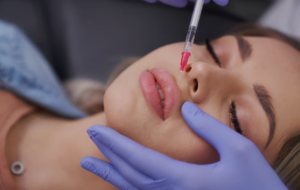
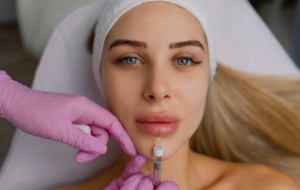
The procedure itself is brief. A fine needle is used to administer Dysport into specific muscles at each injection site. Most patients describe a brief pinch per injection, with minimal discomfort overall. The cosmetic procedure typically takes 15 to 30 minutes in total, including time for the practitioner to mark and assess the treatment areas.
Mild redness, swelling, or tenderness at the injection site is normal and generally resolves within a few hours. Bruising risk is low but possible, particularly around the eye area. You can return to normal activities the same day.
Results typically appear within 2 to 4 days. Full results develop over 10 to 14 days, at which point your practitioner assesses the outcome and addresses any follow-up needed.
Dysport Aftercare Instructions
Following aftercare instructions after your Dysport session supports consistent results and reduces bruising risk.
- Avoid strenuous exercise for 24 hours after your Dysport injections
- Keep your head elevated for several hours post-injection
- Do not massage the treated area for at least 24 hours — pressure at the injection site can displace product from the targeted muscles
- Avoid alcohol for 24 hours after treatment
- Do not apply heat, including saunas and hot yoga, for 24 hours
- Avoid facials and chemical treatments for 24 to 48 hours; heat or massage facials should be avoided for 1 to 2 weeks — see how long after Dysport you can get a facial for the full aftercare guide
Contact your practitioner immediately if you notice difficulty breathing, trouble swallowing, or muscle weakness beyond the areas treated. These are rare at cosmetic doses but require prompt medical attention.
Who Is Not a Good Candidate for Dysport?
Dysport suits many adults seeking to soften expression lines without surgery, but there are clear contraindications your practitioner screens for.
Patients who cannot have Dysport:
- Known allergy to cow’s milk protein — Dysport contains cow’s milk protein and this is an absolute contraindication
- Known allergy to any other botulinum toxin products
- Active skin infection at or near the injection site
- Neuromuscular disorders such as myasthenia gravis or Lambert-Eaton syndrome, which affect the neuromuscular junction and significantly increase the risk of serious complications including muscle weakness and breathing difficulties
- Pregnancy or breastfeeding
Patients who need to discuss their situation with a practitioner before booking:
- Those on anticoagulants, aminoglycoside antibiotics, or muscle relaxants — drug interactions can affect both safety and outcome
- Patients with a history of drooping eyelids or adverse reactions to other botulinum toxin products
- Patients with bladder control issues or certain medical conditions that could be affected by muscle relaxation beyond the treatment areas
Symptoms of botulism — including trouble breathing, swallowing difficulties, and loss of strength — are rare at cosmetic doses but can occur hours to weeks after injection and are considered life-threatening. Any such symptoms require immediate emergency care and should not be attributed to normal post-treatment effects.
Dysport Cost in Vaughan and Toronto
Dysport pricing at Beauty Aesthetics is confirmed at your free consultation, as the total cost depends on the number of units required and the treatment areas involved. A standard Dysport session for glabellar lines uses approximately 50 units; treating additional areas such as forehead lines and crow’s feet in the same session increases the total accordingly.
0% financing is available through Affirm for patients who want to manage the cost of a course of Dysport treatments. To get an accurate estimate for your specific aesthetic goals and treatment areas, book a free consultation at Beauty Aesthetics — pricing is confirmed once your practitioner has assessed the units required.

Frequently Asked Questions
How does Dysport work on frown lines?
Dysport blocks acetylcholine release at the neuromuscular junction, which prevents the specific muscles responsible for frown lines from contracting at full strength. With those muscle contractions reduced, the overlying skin smooths out and moderate to severe frown lines become significantly less noticeable, even during facial expressions.
How long does a Dysport treatment take to show results?
Initial results from Dysport injections typically appear within 2 to 4 days. Full results develop over 10 to 14 days, which is when your practitioner assesses the outcome. Any follow-up is addressed at the 10 to 14 day mark rather than sooner.
What are the aftercare instructions after Dysport injections?
Avoid strenuous exercise and alcohol for 24 hours. Do not massage the treated area. Avoid facials and chemical treatments for 24 to 48 hours; heat or massage facials should be avoided for 1 to 2 weeks. Keep your head elevated for the first few hours post-injection. Contact your practitioner if you experience anything beyond normal redness or tenderness at the injection site.
Can Dysport treat forehead lines and crow’s feet?
Yes. Dysport injections are commonly used for forehead lines and crow’s feet in addition to glabellar lines. The treatment plan — including the units needed for each area — is determined at the free consultation based on your facial anatomy and aesthetic goals.
Are there drug interactions I should disclose before a Dysport treatment plan?
Yes. Dysport can interact with aminoglycoside antibiotics, anticoagulants, and muscle relaxants, among other medications. Disclose all medications and relevant medical conditions at the consultation. Your practitioner reviews potential drug interactions before confirming your treatment plan.
How long does Dysport last?
Dysport treatments for cosmetic indications typically last 3 to 4 months. Many patients schedule two to four sessions per year to maintain their results. Duration varies depending on the individual, the areas treated, and the units administered.
Book a Free Dysport Consultation at Beauty Aesthetics
Beauty Aesthetics in Vaughan offers a free consultation to review your concerns, assess your facial anatomy, and confirm whether Dysport is right for your aesthetic goals. All Dysport injections are performed by a registered nurse. 0% financing is available through Affirm.
Phone: 647-260-9607 · Book online: https://beautyaesthetics.ca
Serving Vaughan, Toronto, North York, Scarborough, Richmond Hill, Markham, Mississauga, Brampton, and Etobicoke.