Lip filler aftercare determines how smooth your recovery feels and how natural your final result looks — arguably more than the injection appointment itself. Many patients researching a lip injection treatment want to know two things upfront: are lip injections painful, and what does the entire process actually involve once you leave the clinic. The honest answer is that lip injections performed by an experienced provider involve mild, manageable discomfort rather than significant pain, and most of the swelling or bruising people worry about in the first few days is completely normal. This guide walks through what to expect before and after your appointment, how lip injection results develop over the following two weeks, and the simple dos and don’ts that make the difference between an easy recovery and an unnecessarily rough one.
What Aftercare Actually Looks Like
Recovery time is typically 1-2 days after lip injections, with swelling usually subsiding within 24-72 hours post-injection. Full results can take up to 2 weeks to appear, once initial swelling settles and the hyaluronic acid gel fully integrates with surrounding tissue. In that window, the core aftercare rules are straightforward: avoid strenuous exercise for at least 24 hours, don’t massage your lips for 6 days post-injection, use ice packs to minimize swelling, and keep your head elevated for the first night or two. Most patients return to normal activities within a day, with only minor visible swelling.
How Lip Filler Injections Work
Most lip fillers are made from hyaluronic acid, a naturally occurring substance already present in the skin that holds moisture and adds structure. Injecting hyaluronic acid acts as a cushioning agent in the lips, which is why hyaluronic acid based fillers create volume that moves and feels soft rather than firm or unnatural.
Hyaluronic acid fillers provide a natural appearance largely because the gel integrates with existing tissue rather than sitting as a foreign implant, whether the goal is to enhance volume subtly or achieve a fuller result. Unlike older lip implants, hyaluronic acid fillers — often shortened to HA filler by injectors — are also reversible; if the result isn’t quite right or you’d prefer a smaller lip size, a provider can dissolve them with hyaluronidase. Different dermal filler products vary slightly in thickness and flexibility, which is part of why the right product for your lips depends on your goals rather than a single default choice.
What to Expect During the Lip Injection Procedure
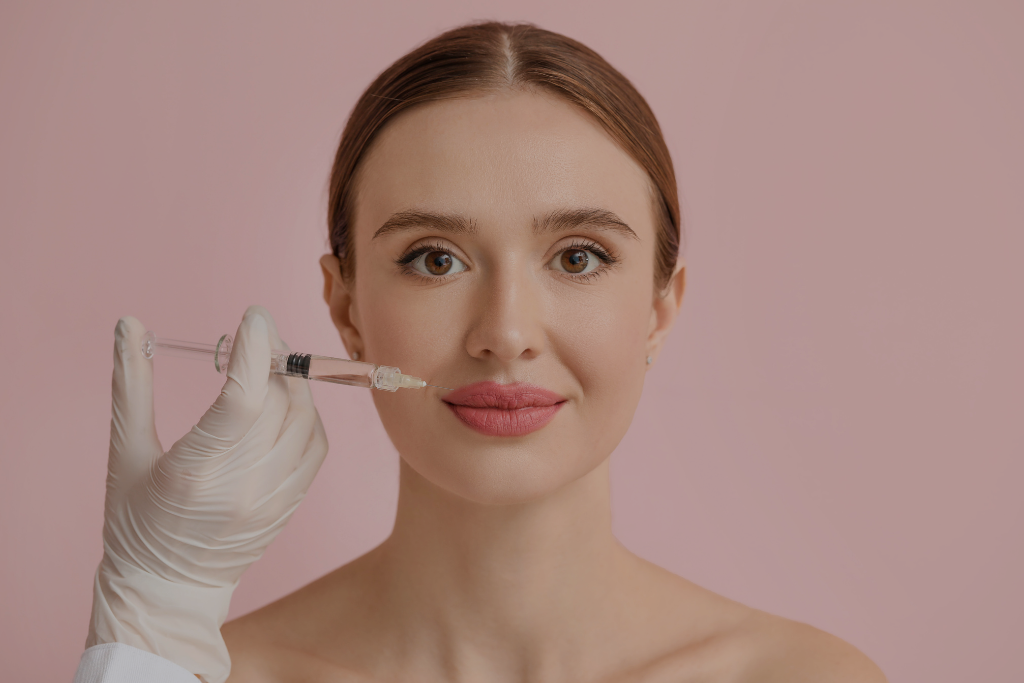
A typical lip injection procedure takes 15 to 30 minutes from start to finish, most of it spent on the injections themselves. Before your entire procedure begins, a topical anesthetic is applied to the lips and surrounding skin to decrease discomfort during the injection process.
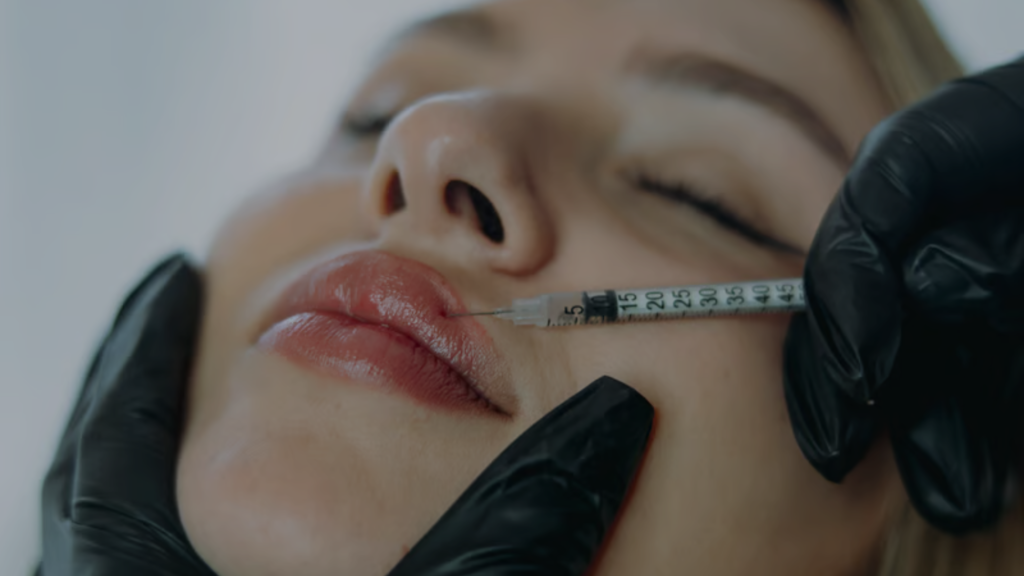
Using a fine needle, the injector places small, precise amounts of dermal filler along the lip border, cupid’s bow, and body of the lip to enhance lip shape, correct asymmetry, and add volume where needed. Numbing helps keep the entire process comfortable, and most patients feel only mild pressure around the lips rather than sharp pain. One syringe of lip filler is a standard amount for a full treatment, though some patients combine lip injections with a lip flip or other facial treatments for a more customized treatment plan.
The First 24 Hours After Lip Filler Injections
The first day is when swelling peaks, and it’s completely normal for lips to look fuller than your intended result at this stage — this is swelling, not final volume. Ice packs applied gently to the outside of the lips, in short intervals, help minimize swelling without applying direct pressure to the treated area.
Avoid strenuous exercise for at least 24 hours after treatment, since increased blood flow can worsen swelling and bruising. Sleeping with your head elevated on an extra pillow the first night also helps reduce overnight puffiness.
Recovery Timeline: Days 1 to 14
Swelling after lip injections usually lasts 24-72 hours, with most visible puffiness resolving by day three. Bruising, if it occurs, can linger slightly longer — anywhere from a few days to about a week, depending on individual healing and whether blood thinners or certain supplements were used beforehand.
By the one-week mark, most patients are seeing close to their final lip shape, though full results can take up to 2 weeks to appear as the hyaluronic acid gel settles completely. This is the point where most patients feel confident evaluating their lip injection results and whether their desired outcome was achieved.
Dos After Lip Filler Treatments
Do apply ice intermittently during the first 24 to 48 hours. Do stay hydrated, since hyaluronic acid draws in moisture. Do sleep with your head elevated for the first couple of nights. Do follow your provider’s specific post treatment instructions, since these can vary slightly by clinic and product used. Do reach out to your injector if anything feels unusual rather than waiting it out.
Don’ts After Lip Filler Treatments
Don’t massage your lips for 6 days post-injection, since this can shift the filler before it has settled. Don’t apply excessive heat, including saunas or hot showers directed at the face, for the first day or two. Don’t wear lipstick or apply makeup directly to the injection site until any visible puncture marks have healed. Don’t take over the counter anti-inflammatory medication unless your provider specifically approves it, since some can increase bruising. Don’t schedule other facial treatments, like a botox treatment, in the same week without checking with your provider first.
Managing Swelling and Bruising
Common side effects of lip fillers include swelling, bruising, and tenderness, and all three are considered a normal part of the healing process rather than a complication. Cold compresses, avoiding blood thinners and herbal supplements in the days leading up to treatment, and gentle care around the mouth all help manage the visible side effects during the first few days.
Serious Risks to Watch For
While rare, injection of lip fillers can cause vascular occlusion as a serious risk, where filler compresses a blood vessel and restricts blood flow to the surrounding skin. Signs include unusual pain, a dusky or white discoloration of the skin, or blanching that doesn’t resolve quickly. This requires immediate medical attention rather than home monitoring, which is exactly why choosing a qualified, experienced injector matters as much as the filler brand itself. An allergic reaction is also possible, though uncommon with hyaluronic acid fillers specifically, since the substance is naturally occurring in the body.
How Long Lip Filler Results Last
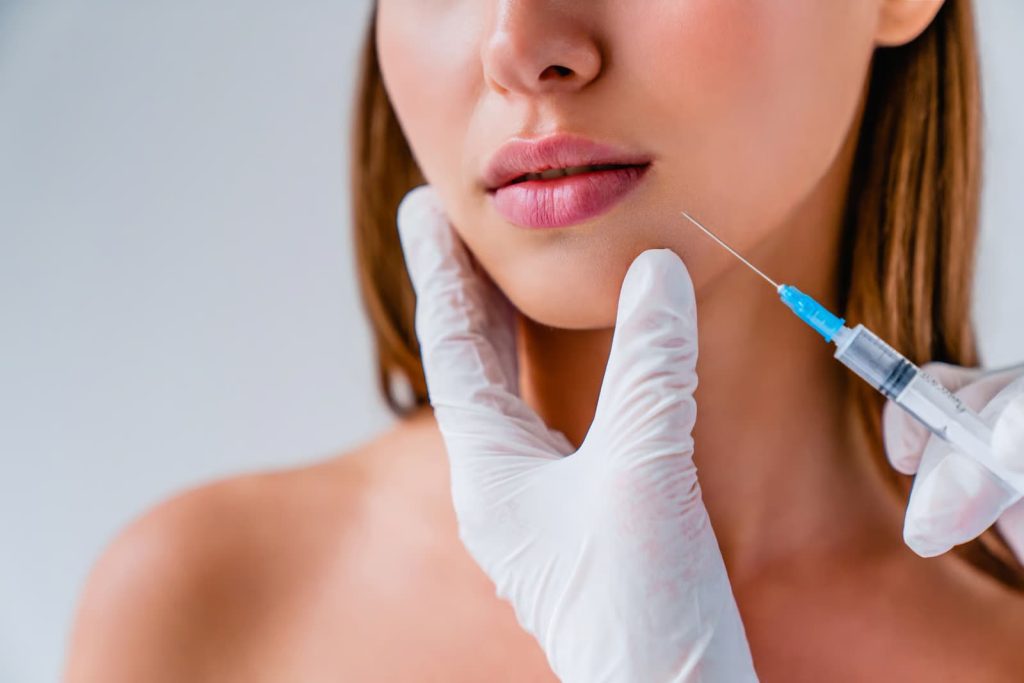
Results from lip fillers can last 6 to 12 months, depending on the specific product used, your metabolism, and how much filler was placed. Areas with more movement, like the lips, tend to metabolize filler faster than less mobile areas of the face. As results fade, many patients choose maintenance appointments before lips fully return to their original lip volume, which keeps the transition gradual rather than noticeable.
Choosing the Right Hyaluronic Acid Filler for Your Goals
Not all hyaluronic acid based fillers behave the same way once injected. Restylane Refyne is often preferred for subtle lip enhancement, since it’s a softer, more flexible gel suited to natural movement. Juvéderm Volbella can last up to 18 months and is popular for patients wanting longer-lasting, understated volume. Teosyal Kiss is formulated specifically to provide definition and plumping for the lip border and cupid’s bow. RHA fillers are designed to recoil and maintain their shape through natural facial movement, which some patients prefer for a more dynamic, expressive result. A provider can walk through which option best matches your lip shape and aesthetic goals during a consultation.
Why Lips Lose Volume Over Time
As part of the natural aging process, skin gradually produces less collagen, and collagen production naturally slows starting in a person’s mid-twenties. This is one of the main reasons lips lose volume over time, alongside a gradual loss of structural support around the mouth and, for some patients, thinning near the nasolabial folds. Lip fillers don’t reverse aging, but they do restore some of that lost structure, which is why many patients describe augmented lips as giving a more youthful appearance rather than a dramatically different one.
Lip Fillers vs Plastic Surgery
Lip fillers are a non-surgical alternative to permanent lip implants or other plastic surgery options. Plastic surgeons can offer permanent surgical solutions for patients seeking a lasting change to lip size or shape, but this comes with real surgical risks, downtime, and a result that can’t be easily adjusted later. Getting lips filled with hyaluronic acid, by comparison, is reversible, requires no incisions, and lets patients build gradually toward their desired lip size over multiple appointments rather than committing to one permanent outcome.
What Most People Get Wrong About Lip Filler Aftercare
Most people panic at the day-two swelling and assume something went wrong, when in reality this is simply the expected midpoint of a short healing process. The other common mistake is judging final results too early — since full results can take up to two weeks to settle, comparing your lips to a same-day photo isn’t a fair or accurate assessment of your actual outcome.
Is Lip Augmentation Right for You?
Lip augmentation tends to work best for patients with thin lips looking to restore volume lost with age, correct asymmetrical lips, or soften vertical lip lines and smile lines around the mouth. Patients with active cold sores should wait until they’ve fully healed before treatment, since the injection process can trigger an outbreak. A consultation is the best way to confirm candidacy and set realistic expectations for your specific lip shape.
Preparing Before Your Appointment
Individuals must disclose their full medical history before receiving lip fillers, including current medications, allergies, and any history of cold sores. Patients should avoid blood thinners for seven days before treatment where medically appropriate, and should always confirm any medication changes with their physician first, not their injector. Choosing a qualified provider for lip fillers — ideally an experienced nurse injector or physician — is essential for both safety and a natural looking result.
Lip Injections Cost in Vaughan
Lip injections cost varies by clinic, product, and how many syringes are needed to reach your desired lip volume, so it’s worth asking for a full, itemized quote before booking. Pricing for lip filler treatments in Vaughan and greater Toronto area generally reflects the product line used — premium hyaluronic acid-based fillers tend to carry a higher per-syringe cost than entry-level options, which is a reasonable trade-off for predictable, natural-looking results.
Lip Injections FAQ
What is lip filler and how does it work?
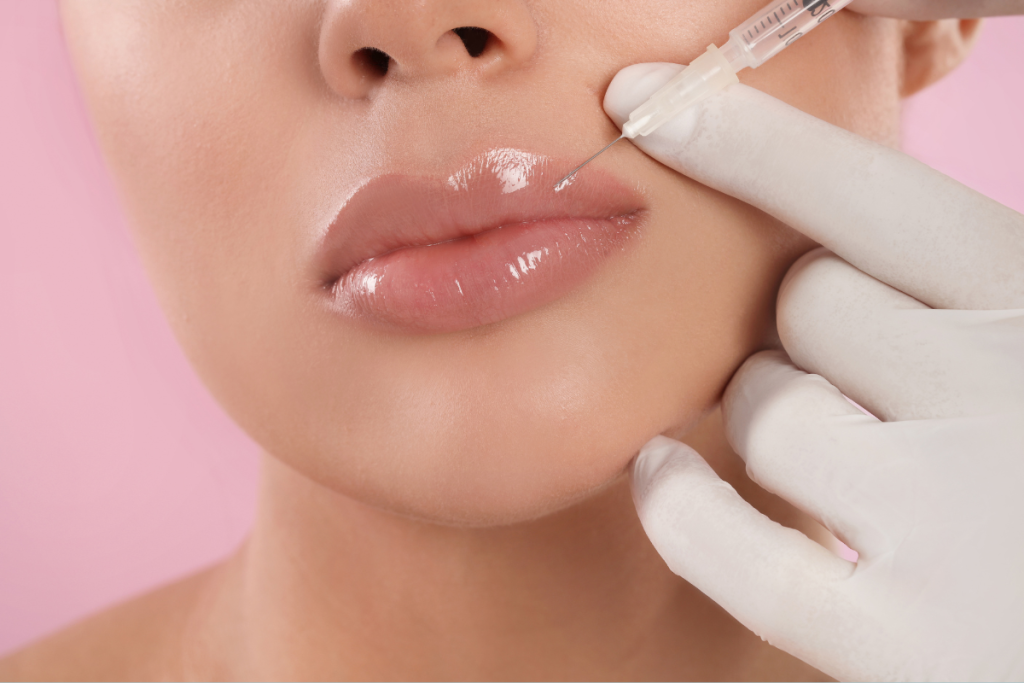
Lip filler is a type of dermal filler, most commonly made from hyaluronic acid, that adds volume, shape, and structure to the lips. Hyaluronic acid fillers work by drawing in moisture and acting as a cushioning agent, which is why lip filler injections tend to look and feel soft rather than firm.
How long does swelling last after a lip filler procedure?
Swelling after a lip filler procedure typically lasts 24 to 72 hours, with most patients seeing significant improvement by day three. Full results from lip filler treatments can take up to two weeks to appear as everything settles into place.
Can I combine lip injections with other treatments?
Yes, many patients combine lip injections with a lip flip or other facial treatments as part of a broader lip enhancement plan, though it’s best to space out treatments as your provider recommends. Discussing your full aesthetic goals during your consultation helps determine the right order and timing.
How do I get lip filler results that look natural?
To get lip results that look natural, most providers start conservatively — often with one syringe — and build gradually across future appointments if more volume is desired. Choosing a fillers with a soft, flexible hyaluronic acid formula and an experienced injector both play a bigger role in a natural looking result than the total volume added.
A Smoother Recovery Starts With the Right Provider
Good lip filler aftercare starts before the injections even happen, with a provider who walks you through exactly what to expect and answers your questions honestly. Beauty Aesthetics offers a free consultation in Vaughan to talk through your lip shape, aesthetic goals, and a realistic recovery timeline, with Affirm financing available if you’d like to plan your treatment around a payment schedule.