Welcome to the definitive guide on enhancing your natural beauty through one of the most popular cosmetic procedures in the world today. If you have been considering lip fillers to address volume loss, refine your lip contour, or achieve that perfect Cupid’s bow, you are not alone. Across Canada, from the bustling streets of Toronto to the growing beauty scenes in the West, lip augmentation has become a cornerstone of modern skincare and facial rejuvenation. But before you book your syringe, it is crucial to understand the nuances of hyaluronic acid fillers, the various techniques like cannulas versus needles, and of course, the financial investment required for a medical-grade result. This blog post will dive deep into the science ofdermal fillers, the importance of facial harmony, and what you can expect when you step into a professional environment for your transformation.
Understanding the Investment: How Much Do Lip Fillers Cost?
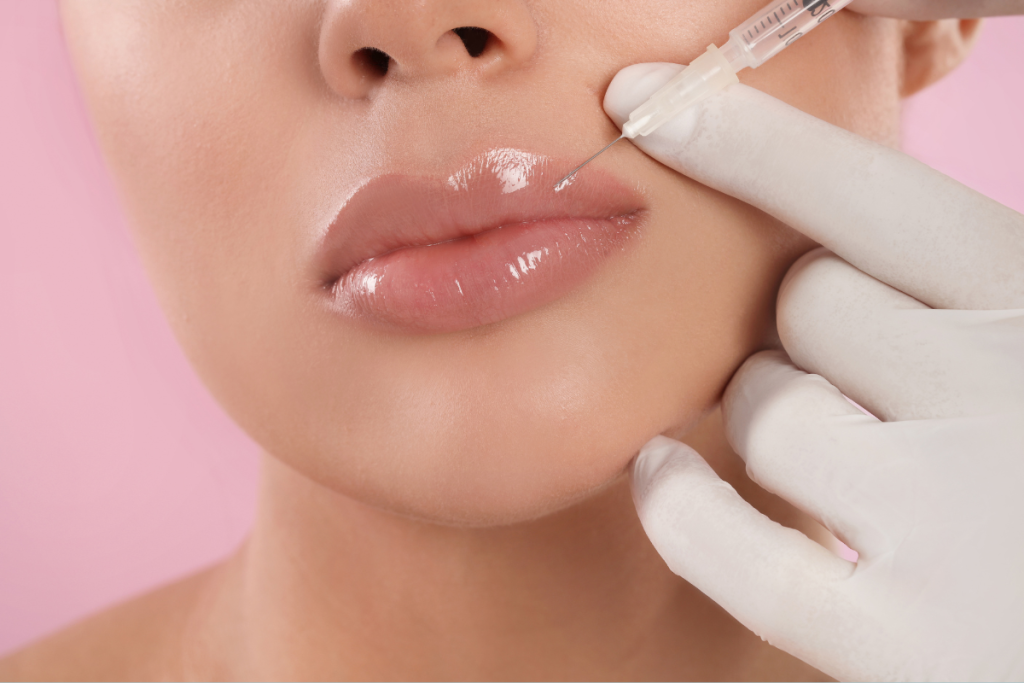
When it comes tolip injection treatments in Canada, pricing is rarely “one size fits all.” On average, a single syringe of a premium injectable dermal filler like Juvederm or Restylane ranges from $500 to $900 CAD. However, the total cost of your cosmetic procedure depends on several factors, including the expertise of the injector, the specific product used (such as Juvéderm Volbella or Revanesse Kiss), and your personal treatment goals.
Price Breakdown by Product and Region
| Product Type | Estimated Cost (per syringe) | Best For |
|---|---|---|
| Juvederm Ultra / Ultra Plus | $600 – $850 | Maximum volume and structure. |
| Restylane Refyne / Kysse | $550 – $800 | Flexible, natural movement and expression. |
| Revanesse Kiss | $500 – $750 | Canadian-made, smooth integration. |
| Juvéderm Volbella | $650 – $900 | Subtle hydration and smoothing fine lines. |
In major hubs like a Toronto Plastic Surgery Center or an Edmonton Skin Care Clinic, prices might be slightly higher due to the concentration of specialized talent and board-certified dermatologists. However, investing in a high-end professional environment ensures patient safety and the use of Health Canada approved substances.
The Science of the Smile: Hyaluronic Acid and Beyond
Most modern lip fillers are composed of hyaluronic acid (HA). This is a naturally occurring sugar in the body that holds up to 1,000 times its weight in water, providing essential hydration and volume to the face. Unlike permanent options like silicone,lip implants, or Gore-Tex implants, HA fillers are reversible using an enzyme called hyaluronidase. This offers a safety net for the client, allowing for lip correction if the results are not as desired.
Advanced Formulations
Today, we have access to a sophisticated RHA Collection (Resilient Hyaluronic Acid) and biostimulators that encourage the body’s own collagen and Elastin production. Brands like Teosyal®, Perlane®, and Restylane® Voluma™ offer different viscosities to treat everything from deep nasolabial folds to delicate vertical lip lines (smoker’s lines).
Comparison of Lip Augmentation Techniques
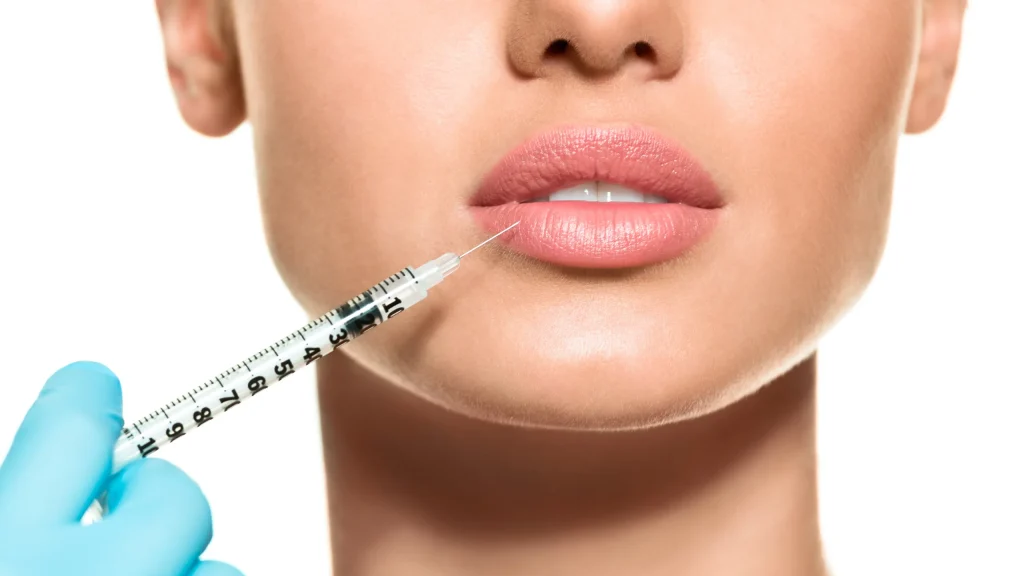
While injectable fillers are the most common, there are several ways to achieve a fuller Smile:
- Injectable Fillers: The gold standard. Uses hyaluronic gel to add immediate volume.
- Fat Transfer / Fat Grafting: A more permanent cosmetic surgery involving liposuction to harvest fat from another part of the body, which is then processed and injected into the lips.
- Lip Lift: A surgical lip-lifts procedure that shortens the space between the nose and the upper lip to expose more of the Vermilion Border.
- Tissue Grafting / Alloderm: Using donor tissue or Autologen/Dermalogen for a permanent change.
- Historical Options: While Artecoll, silicone, and injectable bovine collagen were used in the past, they have largely been replaced by safer HA options due to the risk of granulomas.
The Procedure: What to Expect at the Clinic
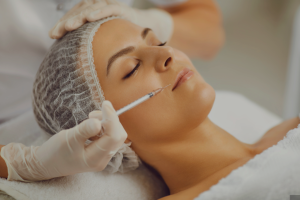
A typical lip filler procedure lasts about 30 to 45 minutes. Your journey begins with a custom plan developed during your consultation.
Steps of the Treatment:
- Preparation: The area is cleaned, and a topical anesthetic cream or topical anesthetic is applied to minimize discomfort. In some cases, a nerve block injection (similar to a dental freezing) is used.
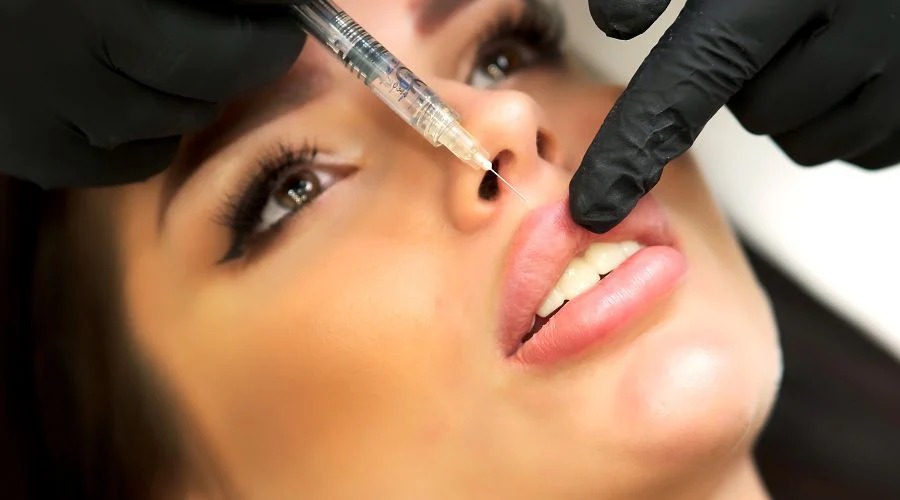
- The Injection: The provider may use needles for precision or a cannula injection technique. Cannulas are blunt-tipped tubes that can reduce bruising and swelling by navigating around blood vessels.
- Techniques: The injector might use linear threading, boluses, or vertical columns to build the lip contour and ensure facial harmony.
- Refinement: The Cupid’s bow and oral commissures (corners of the mouth) are carefully shaped to avoid an artificial look and maintain a natural look.
Most modern fillers, such as Juvéderm® Ultra Plus™, also contain lidocaine, an integrated numbing agent that makes the injections much more tolerable.
Recovery and Side Effects: Managing the “Bruise”
It is important to remember thatlip fillers are a medical treatment, and the face is highly vascular. Some side effects are expected:
- Swelling: This is most prominent in the first 24-48 hours.
- Bruising: A Bruise at the injection site is common. Using Arnica or cold compresses can help.
- Tenderness: The lips may feel firm or “lumpy” initially as the hyaluronic acid integrates with your tissue.
To avoid complications like skin infections or the reactivation of cold sores, patients are often advised to avoid microneedling or heavy exercise for a few days. If you have a history of herpes simplex, your dermatologist may prescribe an antiviral medication prior to the appointment.
Safety First: Choosing Your Provider
In Canada, patient safety is regulated by Health Canada. You should always ensure your treatment is performed by a board-certified dermatologist, a plastic surgeon, or a highly trained nurse injector working under medical-grade protocols.
Avoid “basement” injectors or those using unregulated cosmetic products. Procedures involving suction pumps or lip plumper devices found online are not substitutes for professional lip contouring. Furthermore, materials like calcium hydroxylapatite (found in Radiesse) or Radiance are generally not recommended for the soft tissue of the lips.
Achieving Facial Harmony
The goal of modern medaesthetics is not just “big lips,” but rather a balance between all facial features. We look at the horizontal and vertical proportions of your face to ensure the lip augmentation complements your nose, chin, and nasolabial folds. Whether you are looking for a subtle hydration boost or a significant change in volume loss, a custom plan is essential.
For those in Toronto, Beauty Aesthetics and similar facilities provide high-end lip injection treatments that prioritize the natural beauty of the client.
The Longevity of Your Look
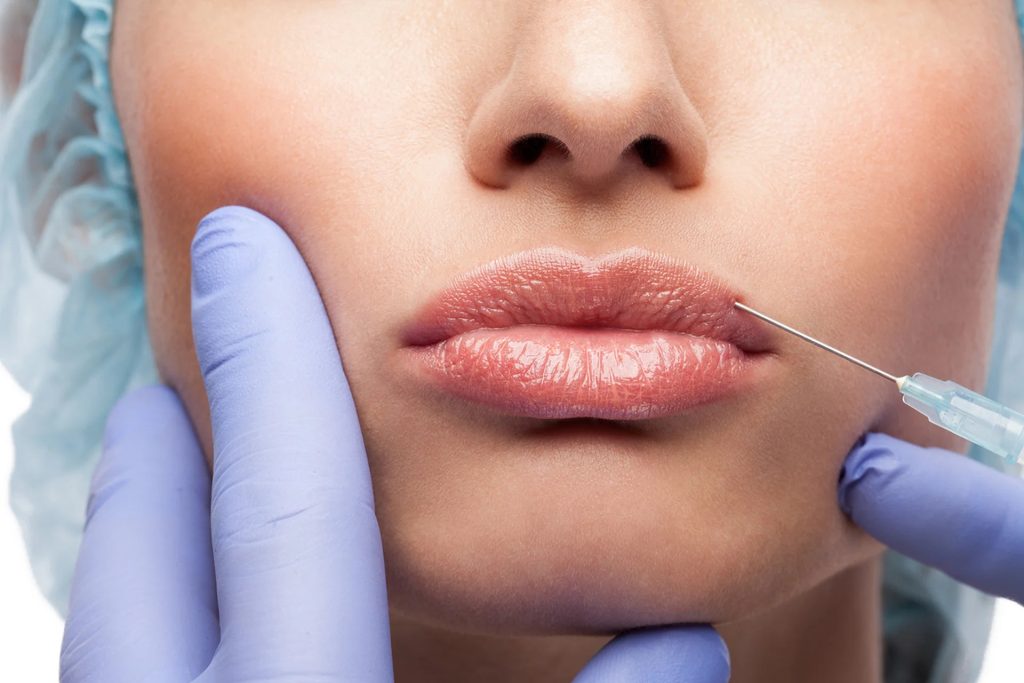
How long do lip fillers last? Because the mouth is very active, the body breaks down the hyaluronic gel faster than in other areas like the cheeks. Generally, you can expect your results to last 6 to 12 months. Factors like your metabolism and the specific product (e.g., Restylane Refyne vs. Juvederm Ultra) play a role. Clinical research shows that regular “maintenance” doses can actually help stimulate your natural collagen, meaning you might need less filler over time.
Conclusion: Taking the Next Step
Investing inlip fillertreatments is an investment in your confidence. While the cost in Canada is a significant consideration, the value of a professional environment, medical-grade protocols, and a natural look cannot be overstated. From the initial syringe to the final Smile, ensure you are working with experts who understand facial anatomy and prioritize your safety.
Ready for your transformation? Book a consultation today to create your custom plan. Our experts are ready to help you achieve your treatment goals with the latest in hyaluronic acid technology.
Note: Always disclose your full medical history, including any history of cold soresor allergies to lidocaine, to your provider before the lip filler procedure.