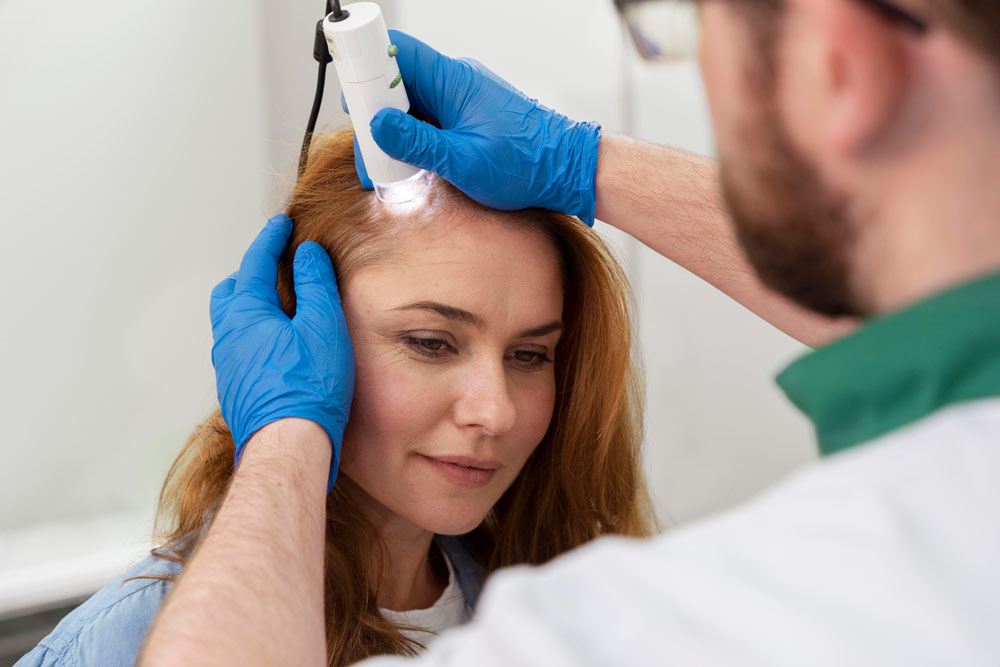
What Is PRP? A Plain Guide to PRP Injections for Hair
Reviewed by Mubeyra Sarkar, RN · Beauty Aesthetics · Updated October 2026 · 12 Woodstream Blvd Unit 4, Vaughan, ON
Quick answer: PRP — platelet rich plasma — is a treatment that uses a small sample of your own blood, spun in a centrifuge to concentrate its platelets, then injected into the scalp to stimulate hair follicle activity. This page explains what PRP is, how it works for hair loss, what a session at Beauty Aesthetics involves, and who it typically suits. It is written for adults in Vaughan and the GTA who are exploring non-surgical options for hair thinning and want a clear, medically grounded explanation before booking a consultation.
Key Takeaways
PRP — platelet rich plasma — is made from your own blood, concentrated in a centrifuge to extract growth factors
Those growth factors are injected into the scalp to stimulate thinning hair follicles back into active growth
PRP works best on follicles that are still biologically active — it is not effective on fully dormant or scarred areas
Most patients need three to six sessions spaced four to six weeks apart for meaningful results
Early changes in scalp condition can appear within four to six weeks; visible density improvement typically takes three to six months
Side effects are mild and temporary — redness, swelling, and minor tenderness at the injection site
Maintenance sessions are recommended after the initial course to sustain results over time
PRP therapy for hair loss is a minimally invasive, non-surgical procedure that uses your own blood to deliver growth factors directly to thinning scalp areas. It does not use synthetic drugs or require surgery. For a full breakdown of what sessions cost, see our PRP hair treatment cost guide.
What Is PRP?
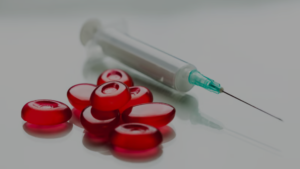
PRP stands for platelet rich plasma. Plasma is the liquid portion of your blood; platelets are the cells within it that respond to injury and initiate tissue repair. When blood is spun in a centrifuge at high speed, it separates into layers. The platelet-rich layer that forms — the PRP — contains a far higher concentration of platelets than what circulates in normal blood.
Those concentrated platelets carry growth factors: proteins that signal surrounding cells to regenerate, increase blood flow, and begin repair. In a standard blood sample, platelet concentration is relatively low. In prepared PRP, that concentration is significantly higher, which is what makes the treatment clinically relevant.
PRP is used across orthopaedics, wound care, and dermatology. A 2023 review in the Journal of Cutaneous Medicine and Surgery found PRP improved hair density at 3 and 6 months versus placebo, with no serious side effects, across nine trials. For how PRP is used beyond hair, see What Are PRP Injections and How Do They Work?.
How PRP Injections Work for Hair Loss
Why Growth Factors Matter for Hair Follicles
Hair follicles cycle through phases of active growth, transition, and rest. In people experiencing hair thinning — whether from hereditary hair loss, hormonal changes, or telogen effluvium — follicles spend more time resting and gradually produce finer, shorter hairs. This process is called miniaturization.
PRP delivers platelets and growth factors directly to the follicle level, stimulating activity, supporting the return to the growth phase, and improving blood flow to the scalp. It works best on follicles that are still biologically active but underperforming — it is not effective where follicles are fully dormant or replaced by scar tissue.
PRP and Hair Regrowth: What to Expect
Some patients notice early changes in hair texture and scalp condition within four to six weeks of their first session. More visible improvement in hair density and new hair growth typically becomes apparent over three to six months as the follicles respond and the natural hair growth cycle progresses.
Most patients need between three and six treatment sessions for optimal results, spaced four to six weeks apart. The number depends on the extent of hair loss and how the scalp responds.
What a PRP Hair Session Involves
The Blood Draw
A small blood sample — typically 20 to 60 mL — is drawn from your arm, the same way as a routine blood test. The sample is placed in a centrifuge machine and spun at high speed to separate the plasma from the red blood cells and white blood cells. The platelet-rich layer is extracted and prepared for injection.
The Injection Step
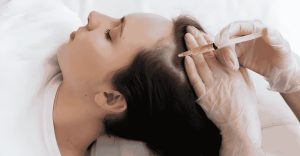
The concentrated PRP is loaded into a syringe and injected into targeted scalp areas using a fine needle. Some clinics apply a local anesthetic to the scalp beforehand to reduce discomfort at the injection site. Each session takes approximately one hour from blood draw to final injection.
After the procedure, most patients return to normal activities the same day. Minimal downtime is one of the practical advantages of PRP as a non-surgical procedure compared to hair transplantation.
Who PRP Hair Treatment May Suit
Hair Thinning in Men and Women
PRP therapy suits both men and women experiencing hair loss. In men, it is most often used for androgenetic alopecia — pattern hair loss at the temples or crown. In women, it addresses diffuse thinning, decreased density, and hair loss caused by hormonal changes or hereditary factors.
Telogen Effluvium and Other Hair Loss Types
PRP is also explored for telogen effluvium — follicles shifting into the resting phase from illness or hormonal shifts. Evidence is more limited than for androgenetic alopecia; your practitioner can advise whether it suits your presentation.
Who May Not Be a Good Candidate
PRP hair restoration is not appropriate for everyone. Patients with blood conditions, platelet dysfunction disorders, or active scalp infections should not undergo treatment. Those on blood thinners or who have recently had corticosteroid injections to the scalp should discuss timing with their practitioner at consultation.
Key Benefits of PRP as a Hair Loss Treatment
PRP therapy offers several practical advantages over other hair loss treatments. Because it is derived from the patient’s own blood, allergic reactions are rare — the body recognizes the plasma as its own, removing the risk of introducing foreign substances.
As a minimally invasive, non-surgical procedure, it carries no surgical recovery. PRP suits the earlier stages of thinning as a standalone approach, and may be combined with other hair restoration methods where clinically appropriate.
Possible Side Effects
Potential side effects are generally mild and temporary. Pain, swelling, and redness at the injection site are the most common and typically resolve within a few days. Some patients experience lightheadedness after the blood draw. There is a small risk of infection with any injection procedure — this risk is minimized when PRP is administered by a trained medical professional following proper infection control protocols.
Maintenance Sessions and Follow-Up
After completing an initial course of three to six sessions, follow-up sessions are recommended to sustain results. PRP is not a permanent solution for hair loss — the growth factors it delivers support follicle health over time, and maintenance sessions help preserve the improvement achieved during the initial course.
Your practitioner at Beauty Aesthetics will advise on the right maintenance interval based on your hair loss pattern and how your scalp responded. Most patients return for PRP hair restoration follow-ups periodically.
Frequently Asked Questions
What is platelet rich plasma?
Platelet rich plasma is the concentrated, platelet-dense layer of your blood produced after it is spun in a centrifuge. Platelets carry growth factors — proteins that signal cells to repair and regenerate tissue. In PRP therapy, this concentrated plasma is injected into the scalp to stimulate follicle activity rather than circulating through the body at normal levels.
Is PRP effective for hair loss?
PRP has been clinically shown to stimulate hair follicle activity and improve hair density in patients with androgenetic alopecia and other forms of hair thinning. It is most effective when follicles are still active — results are limited in areas of advanced, long-standing baldness. Effectiveness varies depending on the extent of hair loss, the patient’s medical history, and the preparation method used.
What are the key benefits of PRP for hair regrowth?
The key benefits of PRP for hair regrowth include its autologous nature — using your own blood minimizes allergic reaction risk — its minimal downtime, and its ability to deliver growth factors directly to the follicle. It is a non-surgical option many patients combine with other hair loss treatments or use as a standalone approach in the earlier stages of thinning.
Is PRP suitable for female hair loss?
Yes. PRP therapy is used for female hair loss, including diffuse thinning caused by hormonal changes, hereditary hair loss, and telogen effluvium. It is appropriate for most women in good general health who are not pregnant, not taking medications that affect platelet function, and whose hair loss involves still-active follicles. A free consultation confirms suitability.
Is PRP a minimally invasive treatment?
Yes. PRP is minimally invasive and non-surgical — a standard blood draw and scalp injections, with no incisions, general anaesthetic, or surgical recovery. Most patients return to normal activities the same day. It carries lower procedural risk than hair transplantation, though multiple sessions are required to achieve and maintain results.
Book a Free Consultation at Beauty Aesthetics
Beauty Aesthetics in Vaughan offers a free consultation to assess your hair loss and confirm whether PRP is right for you. All injections are administered by registered nurses. 0% financing available through Affirm.
Phone: 647-260-9607 · Book online: beautyaesthetics.ca
Serving Vaughan, Toronto, North York, Scarborough, Richmond Hill, Markham, Mississauga, Brampton, and Etobicoke.