
Spider veins on the face and nose are small, damaged blood vessels that sit close to the skin’s surface. They develop when blood vessel walls weaken and dilate under the influence of triggers like sun exposure, hormonal changes, and aging, making them visible through the skin. This post is for anyone who has noticed fine red or purple lines appearing on their cheeks, nose, or forehead and wants to understand what is driving them — and what can be done. Getting an accurate picture of the cause matters because it shapes which treatment will work best for your skin.
Key Takeaways
- Spider veins on the face are medically known as telangiectasias — they are small, damaged blood vessels visible through the skin
- Genetics is one of the strongest risk factors; if family members have them, your risk is higher
- Sun exposure, hormonal changes, rosacea, and aging are the most common contributing causes
- Laser therapy and intense pulsed light (IPL) are the clinically recommended treatments for facial spider veins
- Small spider veins may fade immediately after laser treatment; full results typically appear within 10 to 14 days
- Spider veins are generally harmless but can affect self esteem and are entirely treatable
What Are Facial Spider Veins?
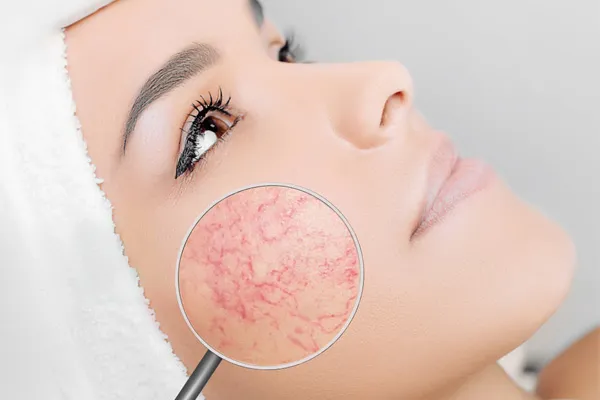
Spider veins — medically called telangiectasias — are small, thin, damaged blood vessels that lie close to the surface of the skin. On the face, they typically appear as fine red, blue, or purple lines clustered around the nose, cheeks, chin, and forehead. They can resemble tree branches or a web pattern, which is where the name comes from.
Unlike varicose veins, which are larger, swollen, twisted veins located deeper in tissue and most common on the legs, facial spider veins are superficial. They rarely cause physical symptoms, though some patients experience mild burning, itching, or aching. For most people, the concern is cosmetic — the visible veins affect skin tone and can be difficult to cover with makeup alone.
Facial telangiectasias form when blood vessel walls weaken and lose their ability to maintain a consistent diameter. Various triggers — chronic sun exposure, hormonal shifts, inflammation from rosacea — cause the vessel walls to dilate and remain expanded rather than returning to their normal size. Because facial skin is particularly thin and delicate, even small dilated vessels become visible from the surface.
Common Causes of Spider Veins on the Face and Nose
Understanding the cause matters. Spider veins rarely have a single trigger — most patients have two or three contributing factors working together.
Genetics
Genetics significantly influences the development of spider veins. If your parents or other family members have facial veins, your risk is meaningfully higher. This is one of the factors patients have no control over, which is why treatment — rather than prevention — is often the more practical focus.
Sun Exposure and Sun Damage
Sun exposure can worsen the visibility of spider veins and is a major cause of broken capillaries on the nose and cheeks. UV radiation breaks down collagen in the skin over time, weakening the vessel walls and making them more prone to dilation. In Canada, cumulative sun damage builds up over years — often becoming visible in the 30s and 40s — even in people who have not spent significant time in direct sunlight. Daily use of broad-spectrum SPF is one of the few preventive measures with consistent evidence behind it.
Hormonal Changes
Hormonal changes can contribute to the appearance of spider veins, particularly during pregnancy, menopause, and periods of hormonal fluctuation. Estrogen is known to relax blood vessel walls, making them more likely to dilate and become visible. This is one reason facial spider veins are more common in women, though men are not immune — particularly those with rosacea or significant sun damage.
Aging
Aging increases the likelihood of developing spider veins. As skin loses collagen and elasticity, blood vessels near the surface become more visible. The skin on the face is particularly delicate, which means the progression can be more noticeable here than elsewhere on the body.
Rosacea
Rosacea is a chronic skin condition that causes persistent facial redness and visible blood vessels. It is closely linked to spider veins and broken capillaries, particularly around the nose and cheeks. In erythematotelangiectatic rosacea, visible facial veins are a defining feature. If rosacea is the underlying cause, treatment addresses both the redness and the individual vessels.
Alcohol Consumption
Alcohol causes temporary dilation of blood vessels. With regular consumption over time, repeated dilation can lead to permanently visible face veins. Lifestyle adjustment alone will not remove existing spider veins, but it can slow the development of new ones.
Other Contributing Factors
Exposure to pollutants and extreme temperature fluctuations can also contribute to broken capillaries on the face over time. Spider veins may occasionally signal deeper circulation issues, though this is rare in patients whose veins are confined to the face and nose.
Who Gets Spider Veins on the Face?
Spider veins can appear anywhere on the body, but the face — particularly the nose and cheeks — is one of the most common sites. The skin here is thinner, the vessels are more superficial, and this is where sun exposure and rosacea tend to concentrate.
Age and gender both influence risk. Spider veins are more common in women, particularly those who have been through pregnancy or are in perimenopause. They become more prevalent with age across both sexes. Fair skin tends to make spider veins more visible, though they develop across all skin types.
Spider veins are generally harmless and mostly a cosmetic concern. They do not typically indicate serious health risks on their own. That said, if you notice a sudden increase in visible veins or experience symptoms beyond mild discomfort, it is worth having them assessed by a medical professional to rule out underlying medical conditions.
Facial Vein Removal Treatments at Beauty Aesthetics
At Beauty Aesthetics in Vaughan, the two primary facial vein removal treatments are laser therapy and intense pulsed light (IPL). Both are non-invasive, clinically validated, and appropriate for the delicate skin of the face.
Laser Therapy for Facial Spider Veins
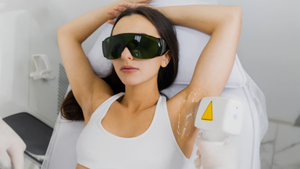
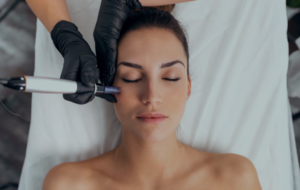
Laser therapy effectively removes spider veins non-invasively. Medical-grade vascular lasers deliver focused light energy that is absorbed by hemoglobin inside the blood vessel. This heats and collapses the damaged capillary without harming surrounding skin. The body then reabsorbs the vessel over the following weeks, and it fades from view.
One to four laser treatments are typically needed for facial spider veins, depending on the number and size of the vessels being treated. Each session takes 10 to 30 minutes. Small spider veins may disappear immediately after laser treatment, while post-treatment blood vessels typically fade fully within 10 to 14 days. Patients experience mild redness after the session, which generally resolves within a few hours. Most patients return to daily activities immediately.

Intense Pulsed Light (IPL) Therapy
Intense pulsed light therapy uses a broader spectrum of wavelengths than a single laser, which allows it to treat multiple vein types simultaneously. IPL delivers controlled pulses of light energy that target broken capillaries and diffuse facial redness. It is particularly effective for patients with rosacea-related spider veins, where both the vessels and the background redness need to be addressed.
IPL therapy typically requires one to four treatment sessions, spaced several weeks apart. Results from IPL therapy can take 10 to 14 days to appear. IPL may cause temporary skin redness after treatment, which is normal and short-lived. Patients with darker skin types should discuss their skin profile with a practitioner before proceeding, as IPL settings need to be calibrated carefully.
FAQs About Facial Spider Veins
What are facial spider veins and are they dangerous?
Facial spider veins are small damaged blood vessels visible through the skin, also called telangiectasias. They are generally harmless and mostly a cosmetic concern. In rare cases, widespread visible veins may point to underlying circulation issues, but isolated facial spider veins typically carry no health risks.
What causes broken capillaries on the nose?
Broken blood vessels on the nose are most often caused by sun exposure, rosacea, genetics, and hormonal changes. The nose has particularly thin, exposed skin, making it one of the first places spider veins appear. Alcohol consumption and cold weather can also contribute over time.
What facial vein removal treatments are available?
The main facial vein removal treatments are laser therapy and intense pulsed light (IPL). Both target blood vessels with light energy, collapsing damaged capillaries without harming surrounding skin. The right option depends on your skin type, the number of vessels, and whether rosacea is a contributing factor.
How many laser treatments are needed for face veins?
One to four laser treatments are typically needed, depending on the size and number of face veins being treated. Sessions take 10 to 30 minutes, and small spider veins may disappear immediately after treatment. Full fading usually occurs within 10 to 14 days of each session.
Can I return to daily activities immediately after treatment?
Yes — most patients return to daily activities immediately after laser therapy or IPL for facial spider veins. Mild redness is normal and typically resolves within a few hours. Avoiding direct sun exposure and applying SPF are the main post-treatment steps.
Does skin cancer risk increase with facial vein treatments?
No. Laser therapy and IPL used for facial spider veins do not increase skin cancer risk. These treatments target blood vessels specifically and do not damage surrounding skin when performed by a trained practitioner. If you have a history of skin cancer, discuss this during your consultation so your practitioner can assess your suitability.
Ready to Address Your Facial Spider Veins?
If you have noticed fine red or purple lines on your nose or cheeks, a consultation is the clearest next step. Beauty Aesthetics in Vaughan offers a free consultation to assess your skin and recommend the right treatment — whether that is laser therapy, IPL, or a combination approach. Call 647-260-9607 or visit beautyaesthetics.ca to book. Serving patients across Vaughan, Woodbridge, Maple, Concord, and Kleinburg.