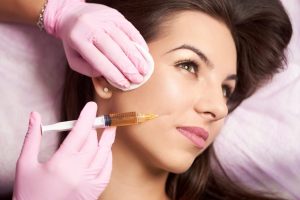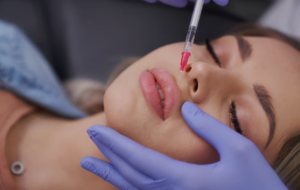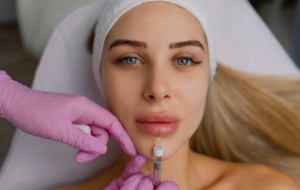
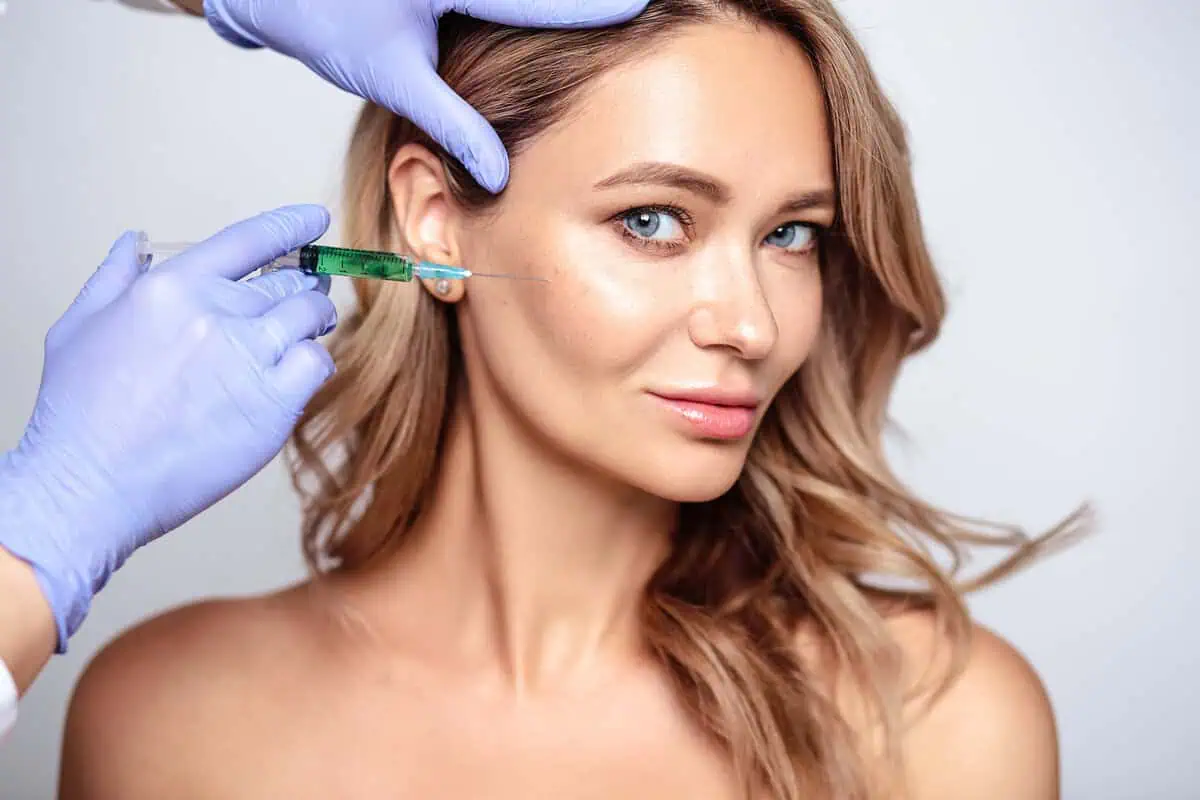
In Ontario, only regulated health professionals can legally inject Botox — specifically physicians, nurse practitioners, registered nurses, and registered practical nurses. Which of those can act independently depends on their scope of practice and whether a valid prescriber’s order is in place. This is for patients across Ontario who want to understand who is legally authorized to inject, what the authorization chain behind a legitimate clinic looks like, and why a certificate on the wall tells you very little about whether your injector is qualified.
Key Takeaways
- Botox administration is a controlled act under Ontario’s Regulated Health Professions Act — only specific regulated health professionals can legally perform it
- Nurse practitioners can assess, prescribe, and inject Botox independently within their scope of practice
- Registered nurses and registered practical nurses require a valid order from an authorized prescriber before injecting — either a medical directive or a client-specific order
- A weekend certification course carries zero legal authority in Ontario; what matters is regulated scope of practice, not a certificate on a wall
- No official certification body governs aesthetic injections in Canada
- Effective March 1, 2027, the College of Nurses of Ontario is moving away from standing medical directives toward mandatory client-specific orders for each individual patient
Who Is Legally Authorized to Inject Botox in Ontario?
Ontario’s Regulated Health Professions Act classifies Botox administration as a controlled act — specifically, administering a substance by injection. That classification determines who may legally perform it. The controlled acts framework exists because procedures carrying a real risk of harm require a clear line of legal accountability.
The regulated health professionals authorized to administer Botox in Ontario are:
- Physicians (MDs): Regulated by the College of Physicians and Surgeons of Ontario, physicians can prescribe and administer Botox independently. They hold the broadest scope and are responsible for patient assessment, treatment orders, and medical oversight.
- Nurse Practitioners (NPs): Authorized to assess, prescribe, and administer Botox within their scope of practice without requiring a physician’s order. An NP holds independent practice authority and can serve as both the prescriber and the injector at the same clinic.
- Registered Nurses (RNs): Can inject Botox legally, but require a valid order from an authorized prescriber — a physician or NP — before doing so. That order must reflect an assessment of the specific patient; it is not blanket permission to treat any eligible client who walks in.
- Registered Practical Nurses (RPNs): May perform cosmetic injections under a prescriber’s order, provided the procedure falls within their individual competence and their clinic’s authorization structure. In other Canadian provinces and the US, this role is called an LPN.
Unregulated individuals — estheticians, makeup artists, beauty therapists — are not legally permitted to administer Botox injections in Ontario, regardless of what private training courses they have completed or what certificates they display. The venue does not change what the law requires.
Dentists occupy a specific category: they may administer Botox for therapeutic purposes — jaw tension, bruxism, TMJ-related conditions — but not for purely cosmetic use.
The Medical Director and How Authorization Works Day to Day
The authorization chain behind a legitimate Botox clinic in Ontario has a named physician or nurse practitioner at the top. That person is the medical director — the authorized prescriber whose order makes the injection legal. Medical directors are responsible for patient assessment and treatment orders, for ensuring compliance with Ontario’s healthcare regulations, and for maintaining a clear chain of responsibility in patient care.
In a clinic where the injector is an RN, the medical director’s written authorization is not optional. Without a valid order, the injection is a controlled act performed outside scope — a matter for the College of Nurses of Ontario’s disciplinary process, not simply a paperwork gap.
A medical directive is a written standing order outlining specific clinical criteria: pre-treatment assessments, indications, contraindications (pregnancy, neuromuscular disorders, certain medications), dosage limits, and emergency management steps for a neuromodulator like Botox. Many Ontario clinics have operated under these umbrella directives — one document covering a category of treatments for any eligible patient.
The March 2027 Shift: From Directives to Client-Specific Orders
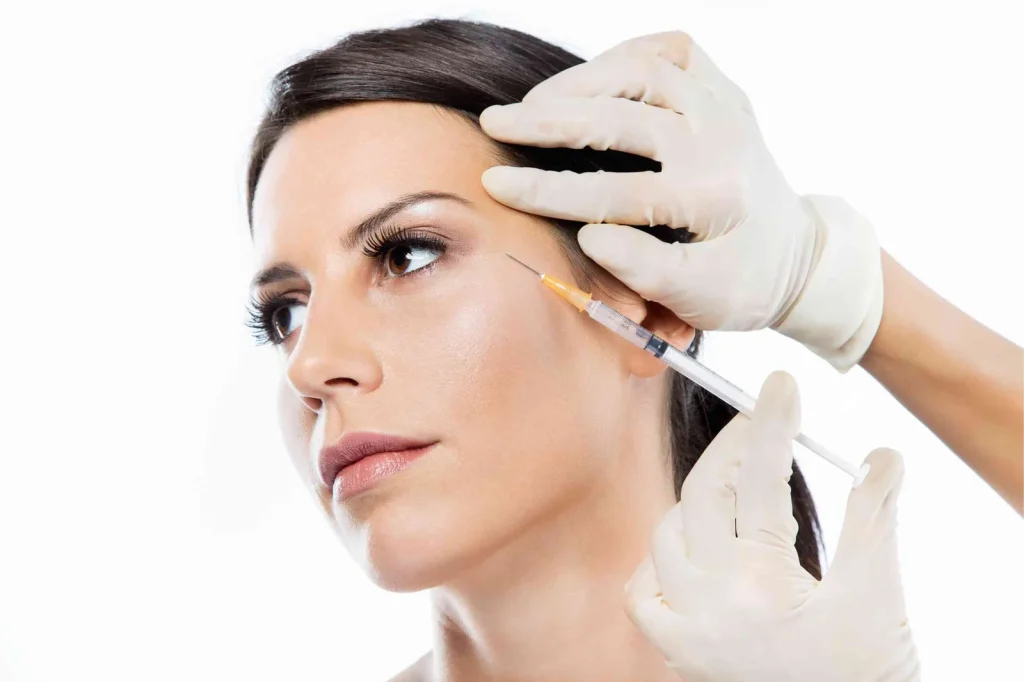
The College of Nurses of Ontario Council approved this change on September 24, 2026, requiring mandatory client-specific orders to replace standing medical directives by March 1, 2027. Under the updated framework, a prescriber must assess each individual patient and issue an order specific to that person before a nurse performs the injection. An umbrella directive covering any patient who fits defined criteria will no longer meet the CNO’s standard.
For patients, this change has a practical meaning: a clinic where an RN injects Botox under a years-old directive, without a prescriber having reviewed your specific history or assessed your individual candidacy, will not be operating in compliance after that date. Clinics that have not restructured their patient authorization process by March 2027 face regulatory disciplinary exposure.
What “Botox Certification” Means in Ontario — and What It Doesn’t
No official certification body governs aesthetic injections in Canada. There is no national board exam, no college-issued cosmetic injection licence, and no recognized credential that confers the legal right to inject Botox. Certification alone does not grant legal authority to perform a controlled act.
A weekend course from a private training company can teach injection technique. It can include hands-on practice with live models and cover facial anatomy, dosing protocols, and complication recognition. It can issue a certificate at the end. None of that creates a regulated scope of practice.
When a patient asks whether their injector is “certified,” the more important questions are whether they are a regulated health professional registered with their college, whether cosmetic injections fall within their scope of practice, and whether a valid prescriber’s order covers this specific treatment. Those three questions determine legality. Training builds competence — it is not a substitute for regulated authority.
The Spa Provider Illusion
The single most dangerous misconception patients carry into a cosmetic injection appointment is what can only be called the spa provider illusion: the belief that the venue determines the legitimacy of the injector. A space that looks clinical — white walls, branded scrubs, framed certificates, clinical language on the menu — does not guarantee that the person holding the syringe is a regulated health professional. An esthetician licence and a nursing licence are not the same credential, and no amount of professional presentation changes what is legally permitted.
This matters because the consequences extend beyond licensing violations. A provider working without authority lacks the clinical training, complication protocols, and accountability structure that regulated practice requires — and when something goes wrong, there is no formal chain of responsibility to answer for it.
Botox Complications: What to Ask Before You Book
Botox-specific complications are mechanical and pharmacological — they arise from injection technique and toxin placement. The two most clinically significant are ptosis, a drooping eyelid caused by toxin diffusing into the levator palpebrae superioris (the muscle responsible for lifting the eyelid), and asymmetry, where uneven dosing or unexpected muscle response leaves the two sides of the face pulling at different levels.
Vascular occlusion — a blocked blood vessel that cuts off blood flow to tissue — is a serious complication associated with dermal fillers, not with Botox. Botox is a liquid solution injected into muscle tissue and cannot physically obstruct a vessel. Patients who have read about vascular occlusion in connection with cosmetic injectables should know that risk belongs to gel-based filler, not to neuromodulator treatments.
Before booking anywhere, ask the clinic directly: who is the prescribing physician or nurse practitioner on record, what is your complication protocol, and how do you manage adverse reactions after a patient leaves? A regulated clinic operating with a named medical director and an active prescription record can answer all three clearly. A provider working outside scope typically cannot.
Frequently Asked Questions
Who Can Inject Botox in Ontario?
Physicians, nurse practitioners, registered nurses, and registered practical nurses can legally inject Botox in Ontario. Nurse practitioners can do so independently. RNs and RPNs require a valid order from an authorized prescriber — a physician or NP — before administering the treatment. Estheticians and other unregulated providers cannot legally administer Botox injections regardless of training completed.
What Is a Medical Directive for Cosmetic Injections?
A medical directive is a written standing order from an authorized prescriber that allows a nurse to administer a specific treatment for patients who meet defined clinical criteria. The College of Nurses of Ontario is phasing these out in favour of client-specific orders, effective March 1, 2027. After that date, a prescriber must assess each individual patient before a nurse can legally inject.
Can an LPN Inject Botox in Ontario?
Ontario uses the title Registered Practical Nurse (RPN) for the role other provinces call an LPN. An RPN can inject Botox under a valid prescriber’s order, provided the procedure falls within their individual competence and their clinic’s authorization structure. An order is required — an RPN cannot inject on their own authority.
Does Botox Certification Give Legal Authority to Inject in Ontario?
No. A certificate from a private training program does not create a regulated scope of practice and does not authorize anyone to perform a controlled act. Only regulated health professionals registered with their college, operating within their recognized scope, have legal authority to inject Botox in Ontario.
What Are Controlled Acts, and Why Does Botox Fall Under Them?
Controlled acts are health procedures designated under Ontario’s Regulated Health Professions Act that carry a meaningful risk of harm if performed by an unauthorized person. Botox administration — administering a substance by injection into muscle — is a controlled act. Only the regulated health professionals authorized under the RHPA may perform it, and delegation to unregulated individuals is not permitted.
Is Aesthetic Nursing a Recognized Specialty in Ontario?
Aesthetic nursing is a practice area, not a regulated specialty designation in Ontario. RNs who perform cosmetic injections do so within the general scope of nursing practice, under the College of Nurses of Ontario’s standards and guidelines for aesthetic services, and under a valid prescriber’s order. Additional training in aesthetic practice builds competence — it does not create a separate licence or expand scope beyond what the CNO authorizes.
Book a Botox Consultation at Beauty Aesthetics Vaughan
Botox at Beauty Aesthetics is performed by Mubeyra Sarkar, RN, under a valid medical authorization in full compliance with the College of Nurses of Ontario’s standards. A full consultation reviews your medical history, treatment goals, and individual candidacy before any procedure is confirmed. 0% financing is available through Affirm.
Phone: 647-260-9607 · Book online: https://beautyaesthetics.ca
Serving Vaughan, Toronto, North York, Scarborough, Richmond Hill, Markham, Mississauga, and Brampton.