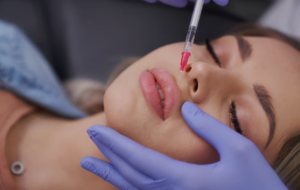

Health Canada approved dermal fillers are products that have passed federal safety review and are legally authorized for use in Canada. All dermal fillers — including hyaluronic acid, calcium hydroxylapatite, poly-L-lactic acid, and formulations that include lidocaine — are regulated as medical devices and listed in the Medical Devices Active Licence Listing (MDALL). You can verify any filler’s authorization yourself through that free public database, or by asking your clinic directly before any procedure. This guide is for patients who want to confirm what is being used in their treatment and know what questions to ask.
Key Takeaways
- All dermal fillers authorized in Canada — including formulations containing lidocaine — are regulated as medical devices and listed in the Medical Devices Active Licence Listing (MDALL)
- Hyaluronic acid fillers, poly-L-lactic acid, and calcium hydroxylapatite are classified as Class III or Class IV medical devices under Health Canada’s device licensing system
- You can verify any filler’s approval status using the MDALL, which is free and publicly searchable at health-products.canada.ca/mdall-limh
- Hyaluronic acid is the most common dermal filler and can be reversed using hyaluronidase if a complication arises
- FDA approval is a US designation and does not constitute Health Canada approval — products cleared in the US may not be authorized for use in Canada
- No licensed clinic should inject patient-supplied filler — approved products must be sourced through a controlled supply chain to a licensed healthcare professional
How Health Canada Regulates Dermal Fillers
Most patients arriving at a consultation view dermal fillers as a single category of cosmetic treatment. The regulatory picture is more specific. Health Canada classifies dermal fillers as medical devices and licenses them through the Medical Devices Directorate.
All Dermal Fillers Are Medical Devices
Hyaluronic acid fillers, poly-L-lactic acid (PLLA), calcium hydroxylapatite (CaHA), and formulations that include a built-in local anesthetic such as lidocaine are all regulated as medical devices. They are not prescription drugs. These products are classified as Class III or Class IV medical devices — the risk tier reserved for implantable materials. Their authorization requires clinical evidence of safety, biocompatibility, and performance.
This matters for patients trying to verify a product. Dermal fillers are licensed in the MDALL, not in the Drug Product Database (DPD). DPD entries and Drug Identification Numbers apply to injectable neuromodulators such as Botox, not to fillers. If you are checking a dermal filler, MDALL is always the correct database.
To patients, Health Canada approval means three things: the product has been tested for safety and efficacy, it is supplied exclusively through licensed healthcare professionals via a controlled supply chain, and its behaviour in the body is predictable and documented. In practical terms, this means a licensed clinic can tell you the exact product name, show you the sealed packaging, and confirm its MDALL status before any injection. A clinic that cannot answer those questions is one worth questioning.
How to Check if a Dermal Filler Is Health Canada Approved
The Medical Devices Active Licence Listing lets you verify a product’s authorization status directly. Most patients never need to use it — asking your clinic before treatment is the practical first step — but knowing how it works is useful if you want to verify independently.
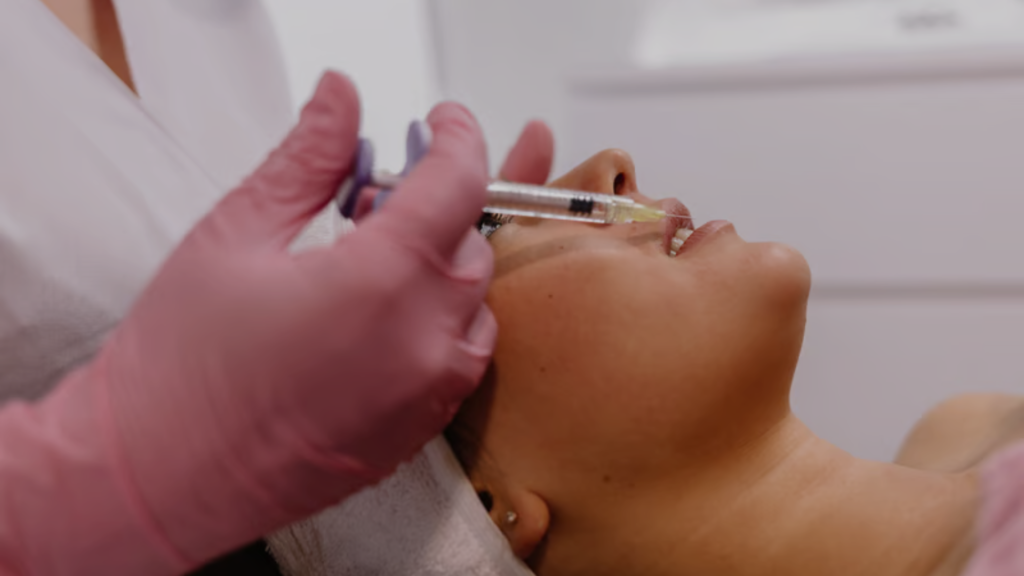
Step 1: Read the Product Packaging
Before opening any browser, the product’s sterile packaging contains the key search terms. For any dermal filler, you need the exact device name and manufacturer name as they appear on the box.
Step 2: Search the Medical Devices Active Licence Listing
The MDALL is the correct database for all dermal fillers — products like Juvéderm, Restylane, Sculptra, and Radiesse. In the active licence search, enter the device name or company name and look for two things: a licence status that reads Active and a device class of III or IV. A suspended or lapsed licence drops out of the active registry, so if a product does not appear in an active search, it is not currently authorized.
One common source of confusion: the legal licence holder is often a parent corporation rather than the brand name patients recognize. Allergan, Galderma, and Merz hold licences for their respective product lines. Seeing an unfamiliar corporate name is normal and does not indicate a problem.
Avoiding Common Search Errors
The MDALL contains both active and archived entries. Always use the active search filter. The archived section shows discontinued or obsolete entries and may include products that are no longer authorized alongside current ones.
Health Canada has issued public advisories about counterfeit and unauthorized dermal fillers found in circulation in Canada. Products sold online with familiar brand names and packaging may not be the genuine article. MDALL verification and a confirmed licensed supply chain are the only ways to be certain a product is both authorized and authentic.
Types of Health Canada Approved Dermal Fillers
Dermal fillers approved for use in Canada span several categories, each with different longevity, mechanism, and clinical application.
Hyaluronic acid fillers are the most widely used. HA is a substance naturally present in the skin, and HA fillers restore volume, smooth wrinkles, and enhance facial contours. The HA category covers a broad range of products — thinner formulations for fine lines and lip definition, and denser, more cohesive gels for deeper volume loss and structural support. Results typically last 6 to 18 months depending on the product, treatment area, and individual patient. They are the only filler category that can be reversed with hyaluronidase if needed.
Calcium hydroxylapatite, the active ingredient in Radiesse, is a biostimulator that adds immediate volume and stimulates collagen production over time. Results typically last 12 to 18 months. It is licensed as a medical device.
Poly-L-lactic acid, the active ingredient in Sculptra, is a collagen stimulator rather than a direct volume filler. It is administered over a series of sessions, with results building gradually. Results can last up to two years as the skin rebuilds its collagen structure.
Why Patient-Supplied Filler Is Never Safe
Patients occasionally ask whether they can bring their own filler — usually after seeing products sold online with familiar brand names or Health Canada logos at reduced prices. No licensed clinic will inject patient-supplied product, and the reasons are clinical.
Health Canada approved dermal fillers must be supplied through a controlled supply chain directly to licensed healthcare professionals. Products sold to consumers online — regardless of how they are packaged or marketed — have bypassed that chain entirely. Storage temperature, transport conditions, and product authenticity cannot be verified once a product leaves the regulated supply channel. A counterfeit or improperly stored product may appear identical to a genuine one and behave unpredictably once injected.
FDA approval is a United States regulatory designation. A product cleared by the FDA must still obtain separate authorization from Health Canada to be legally used in Canada. Approval status must always be verified through the MDALL — not through US approval status.
What to Ask Your Clinic Before a Dermal Filler Procedure
A thorough consultation covers medical history, treatment goals, and the specific products being used. Before any dermal filler procedure, confirm:
- The exact name of the filler being used and whether it holds an active MDALL licence
- Whether the clinic can confirm the product is sourced through a licensed healthcare supply channel
- The credentials of the person performing the injection and whether a medical director’s authorization is in place
- What the clinic’s complication protocol covers after the appointment
A clinic with nothing to hide answers these questions directly. Emergency protocols should be in place at any clinic offering injectable fillers, and a qualified provider will explain what those protocols cover. If a complication arises — whether a vascular event, product migration, or allergic response — the clinic’s protocol and direct access to a prescriber determine the outcome. Ask before the appointment, not after.
The procedure itself is typically completed in under an hour. A topical anesthetic is applied before injections begin. Mild bruising and swelling are common side effects that generally resolve within a few days after the procedure. Results are visible immediately, with improvement in skin texture and volume continuing as the product settles.
Frequently Asked Questions
What Is a Health Canada Approved Dermal Filler?
A Health Canada approved dermal filler is a product that has completed federal safety and efficacy review and holds an active medical device licence in the MDALL. Approval confirms the product is safe, manufactured to documented standards, and supplied only through licensed healthcare professionals.
What Are the Types of Injectable Fillers Available in Canada?
Health Canada approved injectable fillers include hyaluronic acid fillers (the most common), calcium hydroxylapatite, and poly-L-lactic acid. Each type differs in longevity, mechanism, and the specific results it produces. All are licensed as medical devices and listed in the MDALL.
How Long Do Dermal Fillers Last?
Hyaluronic acid fillers typically last 6 to 18 months. Calcium hydroxylapatite results typically last 12 to 18 months. Poly-L-lactic acid results can last up to two years. Longevity depends on the product, treatment area, individual metabolism, and volume used.
Is an FDA Approved Filler Also Health Canada Approved?
Not necessarily. FDA approval is a United States regulatory designation. A product approved by the FDA must still obtain separate authorization from Health Canada to be legally used in Canada. Always verify Canadian authorization through the MDALL — not through US approval status.
Are Dermal Fillers Containing Lidocaine Regulated Differently?
No. Dermal fillers that include lidocaine or another local anesthetic are still licensed as medical devices in Canada and are listed in the MDALL, the same database as all other fillers. They are not prescription drugs and do not have a Drug Identification Number. If a clinic cannot confirm MDALL licensing for a product, that is reason to ask further before proceeding.
How Do I Check MDALL for a Specific Filler?
Go to health-products.canada.ca/mdall-limh and search using the device name or company name exactly as it appears on the product packaging. Confirm the licence status reads Active and the device is classified as Class III or Class IV. If the product does not appear under an active search, it does not currently hold a valid medical device licence in Canada.
Book a Dermal Filler Consultation at Beauty Aesthetics Vaughan
Beauty Aesthetics in Vaughan offers dermal filler consultations with Mubeyra Sarkar, RN. All products used are Health Canada approved and sourced through licensed healthcare supply channels. A full consultation reviews your medical history, treatment goals, and candidacy before any procedure is confirmed. 0% financing is available through Affirm.
Phone: 647-260-9607 · Book online: https://beautyaesthetics.ca
Serving Vaughan, Toronto, North York, Scarborough, Richmond Hill, Markham, Mississauga, and Brampton.